Gardening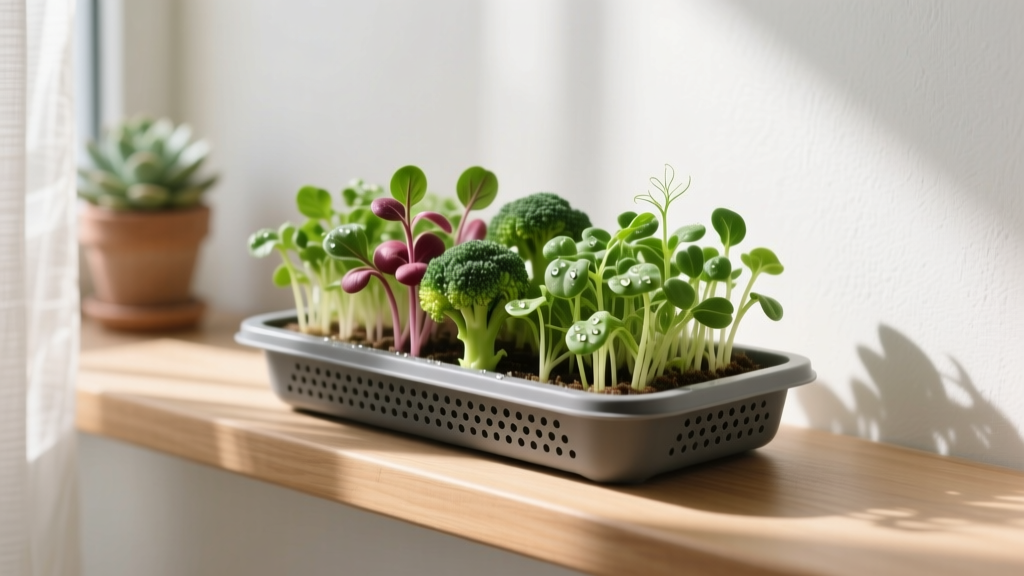
Best Aerated Microgreen Seed Tray Kits For Windowsills 2026
Sarah ChenPublished
The Core Aeration Concept: From Lawns to Windowsill Trays
When lawn care professionals talk about "core aeration," they are referring to the mechanical process of removing small plugs of soil to relieve compaction, improve gas exchange, and allow water and nutrients to penetrate the root zone. But what happens when your "lawn" is a shallow, 1.5-inch deep seed tray sitting on a sunny kitchen windowsill? In 2026, urban homesteaders and indoor gardeners are increasingly applying the core principles of lawn aeration to microgreen cultivation. The result? Healthier root systems, zero damping-off disease, and dramatically higher yields.
Growing microgreens on a windowsill with a seed tray kit presents unique challenges. The shallow depth of the growing medium means there is virtually no margin for error regarding soil compaction and oxygen deprivation. By treating your microgreen seed tray with the same respect for soil structure and gas exchange that a turfgrass manager gives to a golf course green, you can unlock the full potential of your indoor harvest.
Why Windowsill Microgreens Suffer From Compaction
In a traditional lawn, foot traffic and heavy mowers cause soil particles to press together, squeezing out the oxygen roots need to survive. In a windowsill seed tray kit, the "heavy machinery" is your watering can. Every time you top-water a shallow tray of fine seed-starting mix, the force of the water pushes the particles together, collapsing the microscopic air pockets in the rhizosphere.
This compaction leads to anaerobic conditions. Without oxygen, beneficial microbes die off, and opportunistic pathogens like Pythium (the fungus responsible for damping-off) thrive. Furthermore, compacted media restricts the delicate taproots of microgreens, stunting their growth before the cotyledons even fully unfurl. To combat this, we must engineer aeration directly into the tray kit and the growing medium.
Top Aerated Seed Tray Kit Features for 2026
The seed tray market has evolved significantly. When shopping for a windowsill microgreen kit in 2026, look beyond basic plastic tubs. You need equipment designed for passive aeration and air-pruning. Here are the critical features to seek out:
- Mesh-Bottom Insert Trays: Brands like Bootstrap Farmer and True Leaf Market now offer 1020-standard trays with heavy-duty mesh bottoms. These allow air to circulate beneath the root zone, naturally pruning the taproot and encouraging a dense, fibrous lateral root mass—mirroring the benefits of an aerated lawn.
- Elevated Capillary Mats: Modern 2026 kits include a raised platform that separates the seed tray from the bottom-watering reservoir. This gap is crucial; it acts as an air buffer, ensuring the bottom inch of your medium never sits in stagnant, oxygen-depleted water.
- Silicone Aeration Grids: Some premium windowsill kits now feature flexible silicone grid inserts that sit at the base of the tray, physically preventing the growing medium from settling into a compacted, solid block over successive harvest cycles.
Formulating the Perfect "Aerated" Micro-Medium
You cannot pull core plugs from a microgreen tray without destroying the crop. Therefore, your "aeration" must be built into the soil recipe before you even sow a single seed. Relying on 100% peat moss or fine coco coir is a recipe for compaction. Instead, you must blend materials that create both macro-pores (for drainage) and micro-pores (for oxygen retention).
According to experts at Penn State Extension, maintaining proper media structure and avoiding overwatering are the primary defenses against the fungal pathogens that plague compacted microgreen trays. To achieve this, use the following 2026 aeration matrix:
| Medium Component | Aeration & Porosity Role | Water Retention | Best Microgreen Pairing |
|---|---|---|---|
| Buffered Coco Coir | Base structure, resists compaction | High | Broccoli, Kale, Radish |
| Coarse Perlite (#3/#4) | Creates macro-pores for O2 exchange | Low | Heavy seeds (Peas, Corn) |
| Charged Biochar | Micro-pores hold oxygen and microbes | Moderate | Nutrient-dense greens (Amaranth) |
| Coir/Perlite Blend (70/30) | Ideal balanced aeration matrix | Moderate-High | Universal 2026 standard mix |
Pro Tip: Never press down on your medium after filling the tray. Gently level it with a straight edge. Pressing the soil mimics the compaction we are trying to avoid, destroying the aeration structure you just built.
The "Bottom-Up" Watering Technique: Mimicking Core Aeration
How you water your windowsill kit is just as important as the tray you buy. Top-watering is the enemy of soil aeration. Instead, adopt the bottom-up watering method, which mimics the gas-exchange cycle of core aeration.
Step-by-Step Bottom Watering
- Prepare the Reservoir: Fill your solid bottom tray (the one without holes) with roughly 1/2 inch of nutrient-enriched water.
- Set the Aerated Tray: Place your mesh-bottom or hole-punched seed tray into the reservoir.
- Capillary Action: As the water wicks upward through the medium, it pushes the existing air out of the top of the soil profile.
- The Aeration Draw: When you remove the tray from the reservoir and let it drain, gravity pulls the excess water down, and a vacuum effect pulls fresh, oxygen-rich air down into the root zone from the surface. This daily cycle of wetting and drawing air is the microgreen equivalent of mechanical core aeration.
Above-Soil Aeration: Micro-Fans and Light Positioning
Core aeration in lawn care focuses on the soil, but indoor microgreens also require "above-soil aeration" to prevent humidity from settling on the foliage. Stagnant air on a windowsill, especially behind glass where solar heat builds up, creates a microclimate ripe for powdery mildew.
In 2026, the best windowsill setups include a small, USB-powered oscillating micro-fan. Position the fan so it gently ripples the leaves of the microgreens. This strengthens the plant stems (a process called thigmomorphogenesis) and ensures that transpired moisture is carried away from the canopy. Furthermore, research highlighted by Michigan State University Extension emphasizes that adequate drainage and air circulation at the root zone and canopy level are non-negotiable for successful, disease-free home microgreen production.
Troubleshooting Anaerobic Root Zones
Even with the best aerated seed tray kit, you may occasionally encounter issues. Here is how to diagnose and fix aeration failures on your windowsill:
- The Sour Smell Test: If you lift your tray and smell a sour, swampy odor, your medium has gone anaerobic. You are overwatering, or your medium has too much fine peat. Next cycle, increase your coarse perlite ratio to 40%.
- Algae on the Surface: Green algae indicates too much surface moisture and poor top-level aeration. Ensure your oscillating fan is reaching the tray, and switch strictly to bottom-watering to keep the top 1/4 inch of the medium dry.
- Stunted, Yellowing Roots: If the roots look brown and slimy instead of bright white and fuzzy, oxygen is lacking. Elevate your tray using bottle caps or specialized risers to increase the air gap between the tray bottom and the windowsill surface.
Conclusion
Growing microgreens on a windowsill is often viewed as a simple, low-effort hobby. However, by applying the rigorous, science-backed principles of core aeration from professional lawn care, you elevate your indoor garden from a casual experiment to a high-yield, professional-grade operation. Investing in an aerated seed tray kit, formulating a high-porosity medium, and utilizing bottom-watering techniques will ensure your 2026 microgreen harvests are the crispest, healthiest, and most vibrant they can possibly be.
