Gardening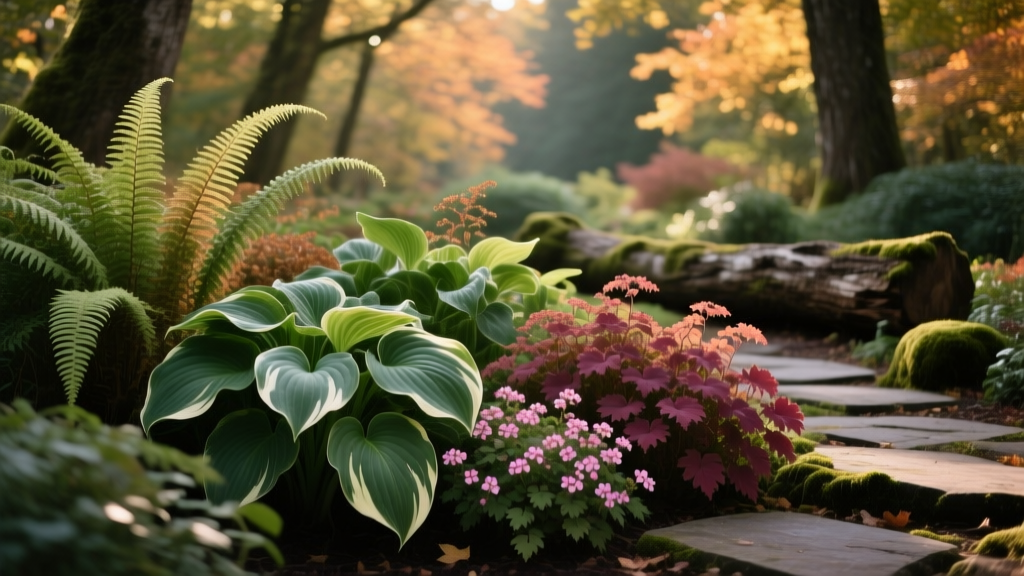
Fall Shade Garden Design 2026: Hostas, Ferns & Coral Bells
Mike RodriguezPublished
Rethinking Fall Lawn Care: The Shade Garden Transition
When most homeowners think of fall lawn care, their minds immediately jump to core aeration, overseeding, and applying winterizer fertilizers to their sunny turfgrass. However, a crucial and often overlooked aspect of comprehensive autumn yard maintenance in 2026 is addressing the shaded areas where grass simply refuses to thrive. If you are battling thin, mossy, or bare patches under the canopy of mature trees, the most sustainable and aesthetically pleasing fall lawn care strategy is to stop fighting nature. Instead, transition these struggling turf zones into a lush, low-maintenance shade garden. By utilizing the classic, foolproof combination of hostas, ferns, and coral bells (Heuchera), you can create a dynamic, multi-layered landscape that thrives where grass fails.
According to experts at Penn State Extension, shade gardens require a fundamentally different approach to soil preparation and plant selection compared to traditional turf management. Tree roots compete aggressively for water and nutrients, and the dense canopy limits sunlight. Attempting to force turfgrass into this environment results in perpetual frustration, wasted water, and excessive fertilizer runoff. Transitioning to a perennial shade bed not only solves these lawn care headaches but also builds local biodiversity and improves soil ecology.
Why Fall is the Ultimate Season for Shade Perennials
While spring planting is popular, autumn is actually the superior season for establishing shade perennials. As the air cools and autumn rains begin, the soil remains warm from the summer months, creating the perfect environment for rapid root development. When you plant hostas, ferns, and coral bells in the early fall, the plants focus their energy entirely on establishing a robust root system rather than producing top growth or flowers. By the time the ground freezes, your perennials are securely anchored, giving them a massive head start for explosive spring growth. Furthermore, fall planting allows you to take advantage of the natural leaf drop from your trees, which can be repurposed as nutrient-rich leaf mold to amend the soil and protect your new plantings.
The Power Trio: Hostas, Ferns, and Coral Bells
The secret to a professional-looking shade garden lies in contrasting textures, heights, and foliage colors. The combination of hostas, ferns, and coral bells provides a complete toolkit for designing a visually stunning understory beneath your trees.
Hostas: The Structural Foundation
Hostas are the undisputed kings of the shade garden. Their broad, ribbed leaves provide a bold, structural foundation that anchors the garden design. In 2026, the trend is moving toward variegated and golden-leafed varieties that brighten up dark, shaded corners. When planting in the fall, choose mature divisions or large container-grown specimens. Varieties like 'Autumn Frost' or 'Guacamole' offer incredible visual weight and pair beautifully with the delicate texture of ferns. Because hostas die back completely in the winter, fall planting ensures their crowns are protected beneath the soil line, ready to send up fresh shoots as soon as spring temperatures rise.
Ferns: Adding Texture and Movement
If hostas provide the bold structure, ferns provide the fine, feathery texture that creates visual movement in the garden. The dappled light filtering through a tree canopy highlights the intricate fronds of shade-loving ferns. The Autumn Fern (Dryopteris erythrosora) is a standout choice for fall planting, as its new fronds emerge in stunning shades of coppery-red and bronze, perfectly echoing the autumn foliage above. Another excellent option is the Japanese Painted Fern, which brings silvery-blue tones that contrast beautifully with the dark, rich soil and the bright greens of neighboring hostas. Ferns are highly adaptable to the acidic, dry soils often found under oak and pine trees.
Coral Bells (Heuchera): The Evergreen Color Pop
Coral bells are the secret weapon for multi-season interest. Unlike hostas and many deciduous ferns, Heuchera varieties are semi-evergreen to evergreen, depending on your climate zone. This means they provide crucial color and ground cover during the bleak winter months and early spring. Recent breeding advancements leading up to 2026 have produced coral bells with incredible resistance to powdery mildew and heuchera rust, making them more reliable than ever. Varieties like 'Caramel' offer warm, amber-peach tones that glow in the autumn light, while 'Palace Purple' provides deep, moody burgundy foliage that creates a striking backdrop for the bright greens of your ferns and hostas.
2026 Shade Garden Variety Comparison Chart
To help you select the best cultivars for your autumn transition, consult the following comparison chart. You can verify specific hardiness zones and light requirements using the Missouri Botanical Garden Plant Finder to ensure compatibility with your local microclimate.
| Plant Type | Recommended 2026 Cultivar | Fall/Winter Foliage Trait | Mature Spread | Light Preference |
|---|---|---|---|---|
| Hosta | 'Autumn Frost' | Golden margins intensify before dormancy | 12-15 inches | Part to Full Shade |
| Fern | 'Autumn Brilliance' | Coppery-red fronds persist into early winter | 18-24 inches | Dappled Shade |
| Coral Bells | 'Caramel' | Warm amber tones deepen; semi-evergreen | 12-18 inches | Part Shade |
| Hosta | 'Blue Angel' | Massive blue-green leaves hold late into fall | 36-48 inches | Full Shade |
| Fern | 'Japanese Painted' | Silver and burgundy fronds fade gracefully | 12-18 inches | Full Shade |
Step-by-Step Fall Soil Preparation and Planting
Transitioning from a failing lawn to a thriving shade bed requires careful soil preparation, especially when dealing with tree root competition. Follow these steps for a successful fall installation:
- Remove the Failing Turf: Use a sharp spade or a sod cutter to remove the dead or thinning grass. Avoid deep tilling, as this will sever and damage the vital feeder roots of the mature trees above.
- Amend the Soil: Shade soils are often compacted and depleted. Top-dress the area with a 2-to-3-inch layer of organic compost mixed with leaf mold. Gently work it into the top few inches of soil using a hand fork, navigating around large tree roots.
- Strategic Planting: Dig planting holes that are twice as wide as the nursery container but no deeper than the root ball. When you encounter large tree roots, do not cut them; instead, shift your planting hole a few inches to the side or use smaller perennial plugs that can fit into the natural pockets between roots.
- Fall Watering Regimen: According to The Old Farmer's Almanac, newly planted fall perennials require consistent moisture until the ground freezes. Water your new shade bed deeply once a week, providing about one inch of water, to encourage deep root growth and prevent winter frost heave.
Winterizing Your New Shade Bed
Once the ground begins to freeze in late autumn, it is time to winterize your new shade garden. Apply a 2-inch layer of organic mulch, such as shredded hardwood bark or composted leaves, over the soil surface. This insulating layer regulates soil temperature, preventing the freeze-thaw cycles that can push shallow-rooted coral bells and young hostas out of the ground. Be sure to keep the mulch a few inches away from the base of your tree trunks to prevent rodent damage and bark rot. Leave the dried fronds of your ferns and the seed heads of your perennials intact through the winter; they provide crucial overwintering habitat for beneficial insects and add a beautiful, architectural interest to the snowy winter landscape.
Conclusion
Fall lawn care in 2026 is about working smarter, not harder. By recognizing the limitations of shaded environments and embracing the beauty of perennials, you can transform your yard's most frustrating dead zones into its most captivating features. The combination of hostas, ferns, and coral bells offers a resilient, low-maintenance, and visually spectacular solution that celebrates the changing seasons. Grab your spade, gather your compost, and start designing your shade garden this autumn—your spring landscape will thank you.
