Gardening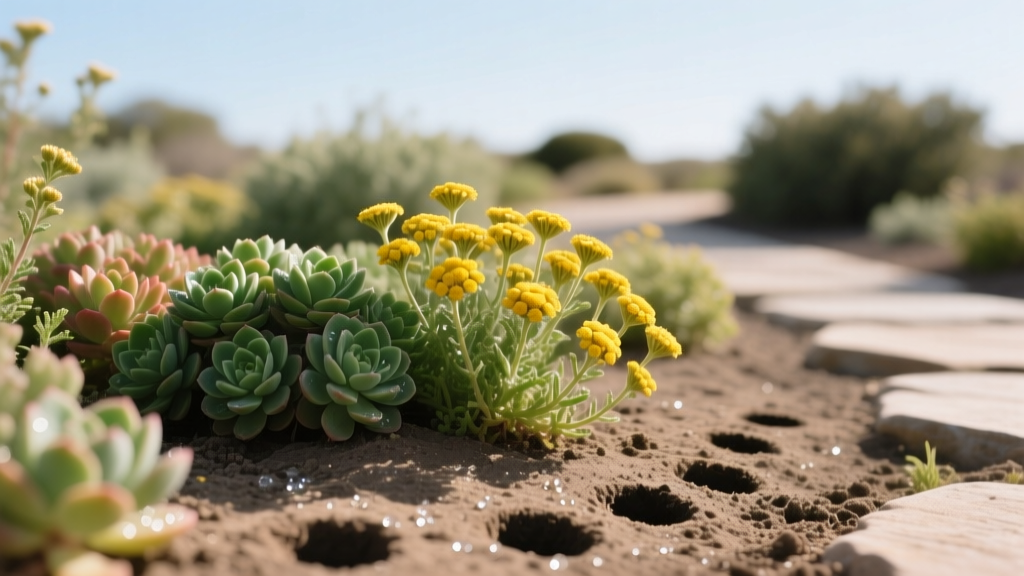
Core Aeration Prep for Sedum and Yarrow Gardens 2026
Robert HayesPublished
The Rise of Xeriscaping and the Compaction Problem
As municipal water restrictions tighten and extreme weather patterns continue to shape landscaping trends in 2026, homeowners are increasingly turning to xeriscaping. Transforming thirsty, high-maintenance turfgrass into a vibrant, drought-tolerant flower garden is one of the smartest ecological and financial investments you can make this year. Among the most resilient, pollinator-friendly, and visually striking options for low-water gardens are sedum (stonecrop) and yarrow (Achillea millefolium). However, the secret to a thriving, drought-tolerant garden doesn't just lie in the plant varieties you select; it begins deep beneath the surface with proper soil preparation. Specifically, core aeration is the unsung hero of drought-tolerant garden bed establishment and long-term maintenance.
While most gardeners associate core aeration strictly with lawn care, applying this mechanical soil-relief technique to flower beds—especially those transitioning from compacted turf or suffering from years of foot traffic—is a game-changer. According to the EPA WaterSense program, optimizing soil health and water infiltration is a primary pillar of outdoor water efficiency. When soil is compacted, water simply runs off the surface rather than penetrating the root zone, defeating the purpose of a drought-tolerant garden. By utilizing core aeration techniques tailored for garden beds, you create the perfect porous environment for sedum and yarrow to thrive with minimal irrigation.
The Science of Compaction in Xeriscape Beds
To understand why core aeration is vital, we must look at soil structure. Healthy garden soil consists of roughly 50% solid material (minerals and organic matter) and 50% pore space. These pores are divided into macropores, which allow for rapid drainage and oxygen exchange, and micropores, which hold water for plant uptake. When soil becomes compacted—often due to construction traffic, heavy rains, or the historical use of heavy lawn mowers—the macropores are crushed. The result is a dense, anaerobic hardpan layer that repels water and suffocates roots.
Drought-tolerant plants are uniquely adapted to survive dry spells, but they are incredibly vulnerable to poor drainage. The Colorado State University Extension emphasizes that the number one cause of failure in xeriscape gardens is not a lack of water, but rather root rot caused by waterlogged, compacted soils during heavy spring rains or winter thaws. Core aeration physically removes small plugs of soil (typically 0.5 to 0.75 inches in diameter and 2 to 3 inches deep), permanently opening up the soil profile and restoring the vital macropores that sedum and yarrow require.
Why Sedum and Yarrow Demand Perfect Drainage
Sedum (Stonecrop): The Shallow Survivor
Sedums are succulents that store water in their fleshy leaves and stems. Their root systems are generally shallow and wide-spreading, designed to quickly absorb light dew and brief rain showers. If the top two inches of soil are compacted, water will pool around the shallow crown of the sedum, leading to rapid crown rot and fungal diseases. Core aeration ensures that the shallow root zone remains friable and well-oxygenated.
Yarrow (Achillea): The Deep-Rooted Taproot
Yarrow, conversely, develops a deep, fibrous taproot system that seeks out moisture far below the surface. While yarrow is tough, it absolutely despises 'wet feet.' If a compacted clay hardpan exists just a few inches below the topsoil, the taproot will hit this barrier, coil, and eventually rot. Aerating the soil profile breaks through this hardpan, allowing the yarrow's taproot to plunge deeply into the earth, anchoring the plant and providing it with access to deep-soil moisture reserves during the peak heat of summer.
Step-by-Step Core Aeration for New Garden Beds
If you are converting an existing, compacted lawn area into a new sedum and yarrow garden in 2026, core aeration should be your very first step before tilling, smothering, or applying herbicides.
- Step 1: Moisture Testing. Water the area deeply two days before aeration. The soil should be moist but not muddy. If it's too dry, the aerator tines won't penetrate; if it's too wet, the tines will clog with mud.
- Step 2: The Double-Pass Method. Rent a walk-behind hollow-tine core aerator (2026 rental rates average $95 to $115 per day at major home improvement centers). Make one pass over the future garden bed in a north-south direction, and a second pass in an east-west direction. This cross-hatching ensures maximum soil disruption.
- Step 3: Leave the Plugs. Allow the extracted soil cores to dry on the surface for a few days. Once dry, break them up with a rake or lawn mower. This returns valuable microorganisms to the surface while keeping the aeration holes open.
- Step 4: Top-Dressing. Before planting, sweep a 50/50 mix of coarse horticultural sand and premium compost into the aeration holes. This prevents the holes from collapsing and creates permanent drainage channels directly into the subsoil.
Aerating Established Sedum and Yarrow Beds
What if your drought-tolerant garden is already established, but you've noticed water pooling during heavy 2026 spring storms? You cannot use a heavy, gas-powered walk-behind aerator without destroying your plants. Instead, rely on manual core aeration tools designed for precision garden work.
Invest in a high-quality manual step-aerator or a broadfork. The 2026 models of the Yard Butler Landscaping Core Aerator feature reinforced steel footplates and dual hollow tines that allow you to step on the tool, drive it into the soil, and pull out a perfect core without bending over. Carefully step between your yarrow clumps and sedum mats, pulling a core every 6 to 8 inches. This localized aeration relieves compaction caused by winter snow load and foot traffic without severing the vital root systems of your established perennials.
2026 Top Sedum and Yarrow Varieties for Aerated Beds
When selecting plants for your newly aerated beds, choose varieties known for their vigorous root systems and exceptional drought tolerance. Below is a comparison chart of top-performing varieties favored by landscape designers in 2026.
| Plant Variety (2026 Favorites) | Mature Height | Spacing Requirements | Root Profile & Aeration Need |
|---|---|---|---|
| Sedum 'Autumn Joy' | 24 inches | 18-24 inches | Shallow, fibrous. Requires highly aerated top 3 inches to prevent crown rot. |
| Sedum 'Angelina' | 6 inches | 12-18 inches | Groundcover, spreading. Needs surface aeration to prevent matting and fungal issues. |
| Yarrow 'Moonshine' | 24 inches | 18-24 inches | Deep taproot. Requires deep core aeration to break clay hardpans below 4 inches. |
| Yarrow 'Strawberry Seduction' | 18 inches | 15-20 inches | Fibrous and deep. Thrives in moderately aerated loam; highly heat tolerant. |
The Magic of Top-Dressing Post-Aeration
Core aeration is only half the battle; what you put into the empty holes dictates the long-term drainage of your garden bed. In 2026, soil scientists heavily recommend the use of expanded shale as a top-dressing amendment for xeriscape beds. Unlike perlite, which floats to the surface and crushes easily, expanded shale is a porous, lightweight ceramic rock that permanently improves soil structure.
After pulling your cores, broadcast a half-inch layer of expanded shale mixed with coarse builder's sand over the garden bed. Use a stiff broom to sweep the mixture directly into the aeration holes. This creates a network of permanent, un-compactable drainage chimneys. When it rains, water is instantly wicked down into these chimneys, bypassing any remaining compacted layers and delivering moisture directly to the deep roots of your yarrow, while keeping the shallow crown of your sedum perfectly dry.
Long-Term Maintenance and Watering Schedules
Even drought-tolerant plants require careful watering during their first year of establishment. For the first 90 days post-planting, water your aerated sedum and yarrow bed deeply once a week to encourage roots to chase the moisture down into the aeration channels. By year two, the deep root systems will be fully established. At this point, you can rely almost entirely on natural rainfall, supplementing only during extreme, prolonged droughts exceeding 30 days without precipitation.
To maintain soil structure long-term, avoid walking on the garden beds. Install decorative stepping stones or gravel pathways to distribute weight and prevent future compaction. Perform a light manual core aeration every three to four years in early spring, just as the yarrow begins to push new basal foliage, to ensure your soil remains as resilient and water-wise as the beautiful plants growing within it.
