Gardening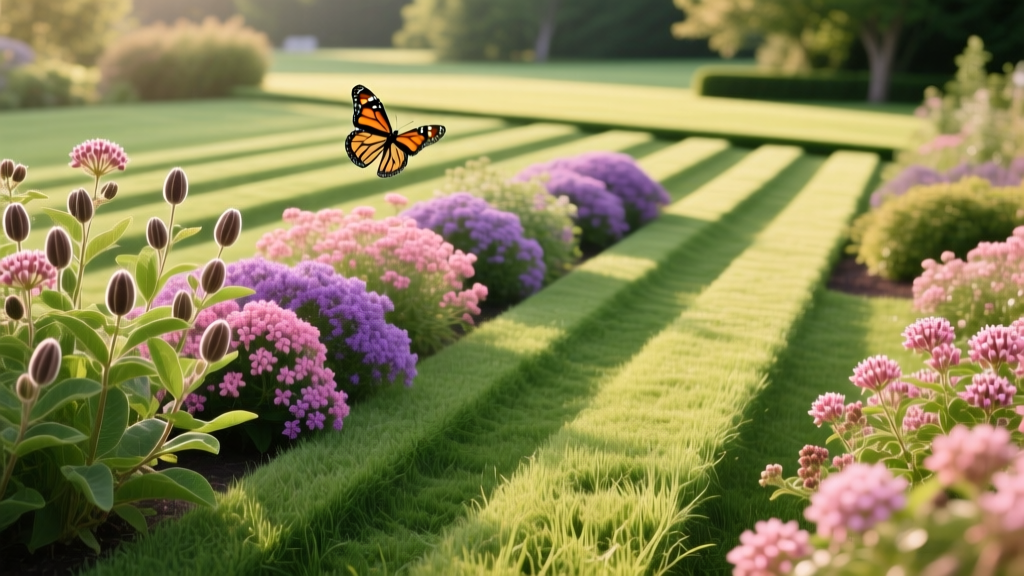
2026 Butterfly Garden Lawn Stripes: Milkweed & Bush Patterns
Anna KowalskiPublished
The Convergence of Turf Art and Ecological Gardening
In 2026, the most breathtaking landscapes are those that seamlessly merge manicured aesthetics with vital ecological functions. The era of choosing between a pristine, striped lawn and a wild, overgrown pollinator garden is over. Today’s premier landscape design trend involves using geometric lawn striping and aesthetic turf patterns to frame, highlight, and interact with structured butterfly garden beds. By integrating native milkweed and carefully selected butterfly bush varieties into your lawn's negative space, you create a living canvas that is as visually striking from a second-story window as it is beneficial to local ecosystems up close.
Lawn striping relies on bending grass blades in alternating directions to reflect light differently, creating high-contrast bands of light and dark green. When you introduce dedicated pollinator islands—specifically designed with the architectural heights of butterfly bushes and the vibrant, clustered blooms of milkweed—these beds become the focal points of your geometric patterns. This guide will walk you through the precise horticultural and landscaping techniques required to execute a striped butterfly garden in 2026, ensuring your turf remains sharp and your pollinators thrive.
Selecting Your Pollinator Powerhouses for Structured Beds
To maintain the clean lines required for a striped lawn aesthetic, your plant choices must be deliberate. You need plants that offer vertical interest, vivid color, and structural integrity without flopping over onto your meticulously mowed turf.
Milkweed (Asclepias): The Monarch’s Anchor
Milkweed is non-negotiable for a genuine butterfly garden, as it is the sole host plant for Monarch caterpillars. However, not all milkweeds are suited for formal, patterned lawn borders.
- Butterfly Weed (Asclepias tuberosa): This is the top choice for 2026 formal lawn edging. It grows in a neat, compact mound (typically 1.5 to 2 feet tall) and produces brilliant, flat-topped clusters of orange or yellow flowers. Its rigid structure means it won't bleed into your lawn stripes, keeping your borders razor-sharp.
- Swamp Milkweed (Asclepias incarnata): Ideal for the center of larger circular or diamond-shaped lawn islands. It grows taller (3 to 4 feet) and features stunning pink, vanilla-scented blooms. Its deep taproot makes it highly drought-tolerant once established, reducing the need for frequent watering that could muddy your lawn edges.
Butterfly Bush (Buddleja): Vertical Accents and Centerpieces
The traditional butterfly bush is a magnet for nectar-seeking adults, but historical varieties are highly invasive. In 2026, eco-conscious landscaping strictly mandates the use of sterile, non-invasive cultivars. According to the National Wildlife Federation's Garden for Wildlife guidelines, utilizing sterile hybrids ensures you support local food webs without threatening native flora.
- Buddleja 'Blue Chip Jr.': A dwarf, sterile variety that maxes out at 2 feet. It is perfect for planting along the outer edges of a striped checkerboard pattern, providing continuous purple blooms without dropping viable seeds into your turf.
- Buddleja 'Miss Ruby': Reaching about 4 feet, this sterile cultivar offers striking magenta-red flowers. It serves as an excellent central anchor for a concentric-circle lawn striping design, drawing the eye to the middle of the pattern while the mower creates perfect rings around it.
Blueprinting Geometric Lawn Patterns Around Pollinator Islands
The secret to integrating a butterfly garden into a striped lawn is treating the garden beds as 'hardscape' elements. You aren't just planting a garden; you are designing the turning radius and focal points for your mower. Here are two highly effective 2026 design layouts:
The Concentric Diamond Pattern
This design uses a large central diamond-shaped bed surrounded by alternating light and dark turf stripes that run parallel to the bed's edges.
- The Centerpiece: Plant three 'Miss Ruby' butterfly bushes in a tight triangle at the exact center of the diamond.
- The Mid-Layer: Surround the bushes with a ring of Swamp Milkweed to add height and pink coloration.
- The Border: Edge the diamond with dense Butterfly Weed and a physical steel edging barrier to prevent turf rhizomes from invading the bed.
- The Striping Execution: Using a zero-turn mower equipped with a heavy rear roller striping kit, mow parallel to the diamond's edges, expanding outward. When you reach the property boundaries, turn and mow the opposing diagonal, creating a massive, intersecting diamond grid across the entire lawn.
The Winding River Stripe
For a more organic but highly manicured look, create a serpentine garden bed that winds through the yard. Plant alternating drifts of orange Butterfly Weed and purple 'Blue Chip Jr.' butterfly bushes along the curves. Mow the surrounding lawn in straight, perpendicular lines that cross the 'river' bed. The contrast between the rigid, straight turf stripes and the flowing, colorful curves of the pollinator bed creates a stunning modern aesthetic.
Turf Selection for High-Contrast Striping
Not all grasses stripe equally well. The ability to stripe depends on the grass blade's flexibility, length, and color. For 2026, the following turf types are recommended for pollinator-framed lawns:
| Turfgrass Variety | Striping Potential | Ideal Mowing Height | Drought Tolerance | Best Climate Zone |
|---|---|---|---|---|
| Kentucky Bluegrass | Exceptional | 2.5 - 3.5 inches | Moderate | Northern / Transition |
| Tall Fescue (Turf-type) | Very Good | 3.0 - 4.0 inches | High | Transition / Southern |
| Bermudagrass (Hybrid) | Good (Requires Reel Mower) | 1.0 - 2.0 inches | Exceptional | Southern |
| Perennial Ryegrass | Excellent | 2.0 - 3.0 inches | Low | Northern |
To achieve the darkest, most pronounced stripes, allow your grass to grow to the higher end of its recommended mowing height before cutting. Taller grass blades bend more easily under the striping roller, creating a more dramatic light reflection contrast. Furthermore, maintaining a slightly taller lawn promotes deeper root systems, which is vital when competing with the deep taproots of established milkweed.
Execution: Mowing, Edging, and Bed Maintenance
The physical execution of your striped butterfly garden requires precision. In 2026, GPS-guided robotic mowers with integrated striping rollers are becoming popular, but for complex geometric patterns around garden islands, a manual zero-turn or stand-on mower with an aftermarket striping kit (like the Toro Stripe Kit or BigLeague EasyStripe) remains the professional standard.
The Importance of Steel Edging
Because milkweed and butterfly bushes require well-draining soil and occasional mulching, you must separate the garden bed from the turf. Use heavy-duty, 6-inch powder-coated steel landscape edging. This serves three purposes:
- It creates a physical barrier that the mower wheel can ride against, ensuring a perfect, scalloped edge every time.
- It prevents aggressive turfgrasses (like Bermuda or Zoysia) from creeping into your pollinator beds and choking out the milkweed seedlings.
- It provides a crisp, architectural line that complements the visual geometry of the lawn stripes.
Protecting Your Pollinators During Lawn Care
When merging a manicured lawn with a sensitive ecological habitat, your maintenance practices must adapt. The Xerces Society for Invertebrate Conservation heavily emphasizes the dangers of pesticide drift and habitat fragmentation. To keep your 2026 landscape both beautiful and safe, adhere to these strict protocols:
- Zero Broadleaf Herbicides Near Beds: Never use synthetic broadleaf weed killers (like 2,4-D or Dicamba) within 15 feet of your milkweed or butterfly bush beds. Wind drift can severely deform or kill your host plants. Instead, rely on manual weeding and thick layers of hardwood mulch within the beds to suppress weeds.
- Organic Turf Fertilization: Transition to slow-release, organic lawn fertilizers (such as feather meal or composted manure blends). Synthetic, high-nitrogen fertilizers can cause rapid, weak grass growth that requires constant mowing and can runoff into the pollinator beds, causing excessive, floppy foliage on your butterfly bushes.
- Mind the Caterpillars: During late summer, Monarch caterpillars may wander away from the milkweed to find a safe place to form their chrysalis. They often crawl across the lawn to find shelter in nearby shrubs or structures. When mowing your striped patterns in August and September, keep your eyes peeled and avoid running over these vital travelers.
Conclusion
Designing a butterfly garden with milkweed and butterfly bush through the lens of lawn striping and aesthetic patterns represents the pinnacle of modern, eco-friendly landscaping. By treating your turf as a structured canvas and your pollinator beds as vibrant, living focal points, you achieve a yard that is meticulously manicured yet teeming with life. As we move through 2026, the integration of sterile, non-invasive cultivars, precision steel edging, and organic lawn care practices ensures that your geometric lawn stripes will remain sharp, and your local butterfly populations will flourish for generations to come. For more information on creating safe habitats, consult the Environmental Protection Agency's Pollinator Protection resources to ensure your lawn care routines align with the latest environmental standards.
