Gardening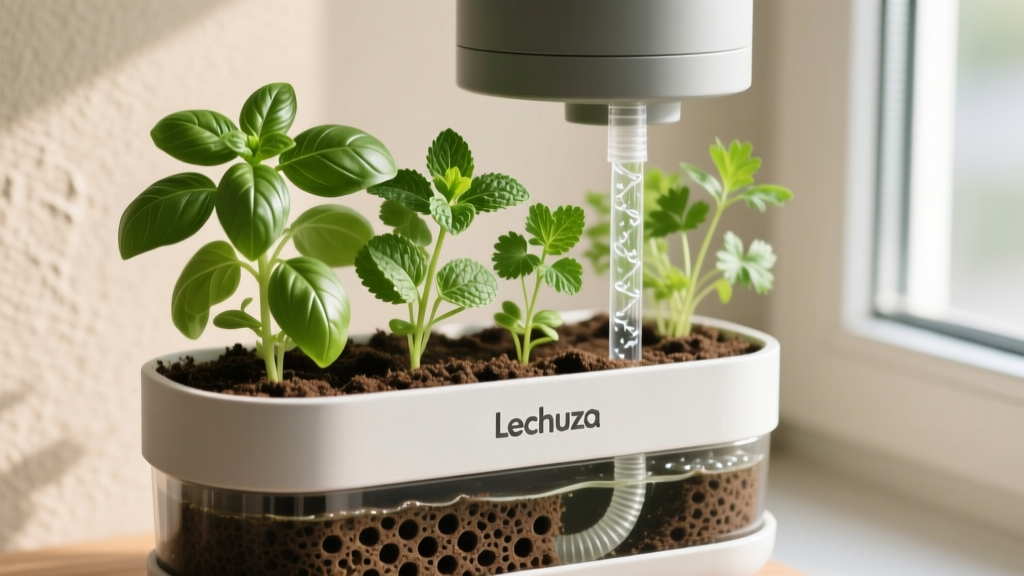
2026 Guide: Aerating & Seeding Self-Watering Herb Planters
Anna KowalskiPublished
The Intersection of Aeration and Seeding in Container Gardening
As we move through the 2026 growing season, self-watering planters like the latest Lechuza Cubico and EarthBox smart-reservoir models have become the gold standard for urban and patio herb gardens. These systems promise a hands-off approach to hydration, utilizing capillary action to draw water from a bottom reservoir up into the root zone. However, the most common point of failure for home gardeners is ignoring the critical relationship between soil aeration and seed germination. Just as a traditional lawn requires core aeration to relieve soil compaction and allow grass seed to establish deep roots, container herbs require structural aeration to prevent waterlogging and ensure successful seeding from the top down.
When dealing with bottom-up hydration, the physical structure of your potting medium dictates everything. If the soil is too dense, the wicking process will oversaturate the lower layers, suffocating the roots and causing seeds to rot before they ever break the surface. Conversely, if the medium is too loose, the capillary bridge breaks, and the top layer where your seeds reside will dry out completely. Mastering the balance of aeration and seeding in self-watering planters is the key to a thriving, low-maintenance herb garden in 2026.
Why Standard Potting Soil Fails in Wicking Planters
Many gardeners make the mistake of filling their expensive self-watering planters with standard garden soil or heavy, traditional potting mixes. According to The Old Farmer's Almanac, standard garden soil will quickly compact in containers, cutting off oxygen to the roots and creating a stagnant environment. In a self-watering planter, this compaction is disastrous. The heavy soil acts like a sponge, pulling too much water from the reservoir and holding it tightly against the root crown.
For herbs like rosemary, thyme, and oregano, which naturally prefer well-draining, aerated environments, this constant wetness leads to rapid root rot. Furthermore, when you attempt to seed herbs like basil or cilantro into the top layer of a compacted, heavy mix, the surface often forms a hard crust. This crust prevents delicate seedlings from penetrating the surface and blocks the gas exchange necessary for germination. Therefore, creating a highly aerated, specialized wicking mix is a non-negotiable first step before you even think about planting a single seed.
2026 Aeration Amendments Comparison Chart
To build the perfect environment for both wicking and seeding, you must incorporate inorganic aeration amendments into your organic base. Here is a comparison of the top aeration materials available for the 2026 season, specifically tailored for self-watering herb gardens.
| Amendment | Aeration Rating | Water Retention | Best Herb Application |
|---|---|---|---|
| Coarse Perlite | High | Low | Basil, Cilantro (Fast-draining top layers) |
| Horticultural Pumice | Very High | Medium | Rosemary, Thyme, Oregano (Mediterranean herbs) |
| LECA (Clay Pebbles) | Extreme | Low | Reservoir separation layer / Base drainage |
| Coconut Coir Chunks | Medium | High | Parsley, Chives (Moure-loving herbs) |
For most mixed herb planters, a combination of coarse perlite and horticultural pumice provides the ideal balance. The perlite ensures that the top layer remains light and fluffy for easy seedling emergence, while the pumice provides structural stability in the lower wicking zone without holding excess water against the roots.
The Ultimate 2026 Aerated Soil Recipe for Herbs
Before you can begin seeding, you must mix a soil medium that supports capillary action while maintaining massive air pockets. For a standard 2026 self-watering planter, use the following recipe by volume:
- 40% High-Quality Coconut Coir: Coir is superior to peat moss in wicking beds because it re-wets easily if it accidentally dries out, maintaining the capillary bridge.
- 20% Screened Compost or Worm Castings: Provides the slow-release nutrients necessary for heavy-feeding herbs like basil and parsley.
- 30% Coarse Perlite (Size #3 or #4): This is your primary aeration engine. Do not use fine perlite, as it will break down and compact over the season.
- 10% Horticultural Pumice: Adds weight to anchor tall herbs and provides microscopic pores for beneficial bacteria to thrive.
Mix these ingredients thoroughly in a wheelbarrow or large tote before adding them to your planter. When filling the self-watering container, ensure the wicking basket or fabric grow-tube is completely surrounded by this highly aerated mix, as this is the engine that will pull water upward to your seeds.
Seeding Herbs in Bottom-Up Watering Systems
Seeding directly into a self-watering planter presents a unique challenge: the reservoir may be full, but the top inch of soil where the seeds are sown can remain bone dry until the roots grow deep enough to access the wicking zone. According to Penn State Extension, maintaining consistent moisture around the seed coat is critical for triggering germination, and fluctuating moisture levels can cause seeds to abort or dry out.
To solve this in 2026, utilize the "pre-wick and top-mist" technique. After filling your planter with the aerated soil mix, fill the reservoir to the maximum fill line and allow it to sit for 24 hours. This allows the capillary action to pull moisture up through the perlite and coir matrix. However, because the top layer is highly aerated and porous, the moisture will stop just below the surface. When you sow your seeds, you must lightly mist the top layer with a spray bottle twice a day until the seedlings develop taproots that reach the deeper, wicking-moist layers of soil.
Herb-Specific Seeding and Aeration Guide
Different herbs require different seeding depths and surface aeration techniques. Here is how to handle the most popular culinary herbs in a self-watering setup:
Basil (Genovese and Thai Varieties)
Basil seeds are relatively large and require warmth and consistent moisture. Sow them at a depth of 1/4 inch. Because basil is a heavy feeder and grows rapidly, it benefits from the high compost ratio in our mix. Do not press the soil down too hard after sowing; the perlite will naturally settle, and heavy compaction will restrict the delicate hypocotyl from pushing through the surface.
Cilantro and Dill
These taproot herbs notoriously hate being transplanted, making direct seeding into self-watering planters the ideal method. Sow cilantro and dill seeds at a depth of 1/2 inch. To ensure good seed-to-soil contact without destroying the aeration structure, place a small piece of cardboard over the seeded area and press down gently. This flattens the surface without compacting the deep perlite layers.
Thyme and Oregano
These Mediterranean herbs have dust-like seeds that require light to germinate. Do not bury them. Simply broadcast the seeds over the surface of the aerated soil and press them in very lightly. Because they are surface-sown, they are highly susceptible to drying out. Cover the planter with a clear humidity dome or a layer of fine vermiculite to trap moisture while the seeds germinate.
Surface Aeration: The Container Equivalent to Lawn Core Aeration
In lawn care, aeration and seeding go hand-in-hand; you pull cores to relieve compaction, then drop seed into the holes for perfect soil contact. In container gardening, we practice "surface aeration." Over the course of a few weeks, the constant top-misting and natural settling will cause the top half-inch of your potting mix to form a slight crust. This crust can restrict oxygen flow to the shallow feeder roots and encourage the growth of soil gnats and algae.
Every two weeks, take a small hand cultivator or a wooden chopstick and gently scratch the top 1/2 inch of the soil surface around your established herb seedlings. This mimics the benefits of lawn aeration by breaking up the crust, allowing oxygen to penetrate the root zone, and disrupting the life cycle of fungal gnats. Be careful not to go deeper than an inch, as you do not want to sever the newly established capillary wicking channels formed by the roots and the coir matrix.
Troubleshooting Common 2026 Self-Watering Issues
Even with the perfect aerated mix and precise seeding techniques, issues can arise. If your seeds are germinating but the seedlings immediately collapse at the soil line (a condition known as damping off), your surface layer is too wet, and air circulation is too low. Increase the perlite ratio in your top inch of soil and introduce a small oscillating fan to strengthen the stems and dry the surface slightly between mistings.
Conversely, if the water level indicator on your 2026 smart-reservoir shows empty, but the topsoil is dry and the plants are wilting, your capillary bridge has broken. This happens when the soil pulls away from the sides of the planter due to extreme drying. To fix this, you must top-water the planter heavily once to re-hydrate the coir and re-establish the physical connection between the soil matrix and the wicking basket.
Conclusion
Setting up a container herb garden in a self-watering planter is one of the most rewarding projects you can undertake this year. By shifting your perspective to view container soil through the lens of aeration and seeding, you eliminate the guesswork of daily watering and the heartbreak of failed germination. Remember that structural aeration via perlite and pumice is the foundation of wicking success, and surface aeration is the key to long-term root health. Follow these 2026 guidelines, and your patio will be overflowing with vibrant, deeply rooted, and perfectly hydrated herbs all season long.
