Pest Control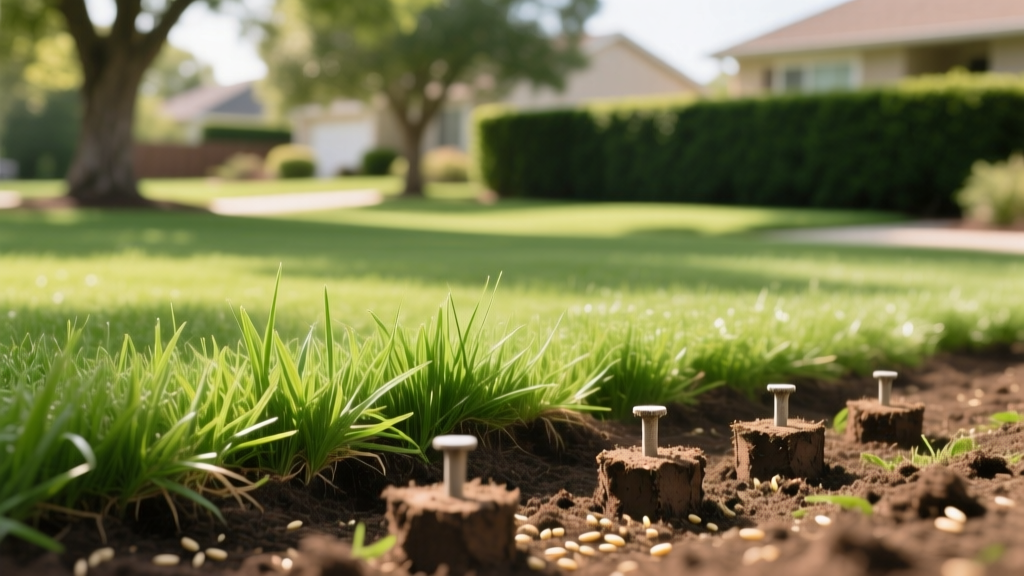
How Aeration and Overseeding Naturally Deter Lawn Pests
David ParkPublished
The Hidden Link Between Cultural Lawn Care and Pest Control
When most homeowners spot brown patches, wilting grass blades, or irregular dead zones in their turf, their first instinct is to reach for a broad-spectrum chemical insecticide. However, modern Integrated Pest Management (IPM) principles championed by environmental and agricultural organizations emphasize that the most effective pest control begins long before an infestation occurs. It starts with cultural practices—specifically, core aeration and strategic overseeding.
While aeration and overseeding are traditionally categorized under general lawn maintenance, they are foundational pillars of organic and sustainable pest control. By altering the physical soil structure and the biological makeup of your turfgrass, you can create an environment that is inherently hostile to destructive insects like white grubs, chinch bugs, and sod webworms, while simultaneously inviting beneficial predatory organisms.
How Thatch Buildup Invites Destructive Pests
To understand why aeration is a pest control technique, you must first understand thatch. Thatch is a tightly intermingled layer of living and dead stems, roots, and crowns that develops between the soil surface and the green vegetation of your lawn. A thin layer of thatch (about 1/4 to 1/2 inch) is beneficial, acting as a natural mulch that retains moisture and regulates soil temperature.
However, when thatch exceeds 0.75 inches, it becomes a luxury hotel for lawn pests. Surface-feeding insects like chinch bugs and sod webworms thrive in thick thatch because it protects them from UV rays, avian predators, and topical insecticides. Furthermore, a thick thatch layer prevents water and liquid pesticides from reaching the soil profile where root-feeding pests like white grubs reside. Core aeration physically removes plugs of soil and thatch, breaking up this barrier and accelerating microbial decomposition, thereby destroying the protective habitat these pests rely on.
Core Aeration: Disrupting the Pest Life Cycle
Core aeration involves using a machine to extract small plugs of soil (typically 2 to 3 inches deep and 0.5 to 0.75 inches in diameter) from the lawn. This process provides three distinct pest-control benefits:
- Physical Disruption: The mechanical tines of a core aerator will physically crush and kill a significant percentage of shallow-dwelling pupae and larvae, particularly those of the Japanese beetle and European chafer.
- Soil Oxygenation: Compacted, anaerobic soil stresses turfgrass, leading to shallow root systems that are easily devoured by grubs. Aerated soil promotes deep, vigorous root growth. According to Penn State Extension, a dense, deep root system can tolerate significantly higher grub populations before showing visible surface damage.
- Microbial Activity: Pulling soil cores to the surface exposes soil microbes to oxygen and organic matter, accelerating the breakdown of the thatch layer where pests overwinter.
Overseeding: Crowding Out Pests with Endophytic Grasses
Overseeding is the process of planting new grass seed directly into existing turf without tearing up the soil. From a pest management perspective, overseeding is your opportunity to introduce pest-resistant grass genetics into your lawn.
Many modern varieties of tall fescue and perennial ryegrass are bred to contain endophytes. Endophytes are naturally occurring, beneficial fungi that live within the grass plant's vascular system. They do not harm the grass; instead, they produce alkaloids that are highly toxic or unpalatable to surface-feeding insects like billbugs, chinch bugs, and armyworms. By overseeding a vulnerable Kentucky bluegrass lawn with an endophyte-enhanced tall fescue blend, you are essentially inoculating your lawn against surface pests.
Comparison Chart: Pest Vulnerability in Compacted vs. Aerated Lawns
The following table illustrates how soil and turf conditions directly correlate to a lawn's vulnerability to pest outbreaks.
| Lawn Condition | Soil Compaction | Thatch Layer | Root Depth | Pest Vulnerability |
|---|---|---|---|---|
| Neglected / Compacted | High | > 1.0 inch | Shallow (1-2 inches) | Extreme (High grub & chinch bug damage) |
| Aerated & Overseeded | Low | < 0.5 inch | Deep (4-6+ inches) | Low (Resilient, predator-rich soil) |
Step-by-Step Aeration and Overseeding for Pest Prevention
To maximize the pest-deterrent benefits of these cultural practices, timing and technique are critical. Follow this actionable guide for cool-season turfgrasses (perform in early fall; for warm-season grasses, shift timing to late spring/early summer).
Step 1: Choose the Right Equipment
Never use a spike aerator (solid tines that simply punch holes). Spike aerators actually increase soil compaction laterally around the hole, worsening the environment for beneficial soil organisms and restricting root growth. Always rent or hire a service that uses a plug-pulling core aerator.
Step 2: Prepare the Lawn
Mow your lawn slightly shorter than usual (around 1.5 to 2 inches) to ensure the aerator tines can penetrate the soil effectively and to allow new seed to reach the dirt. Water the lawn heavily 24 hours before aeration so the tines can easily extract 3-inch plugs.
Step 3: Aerate in Multiple Passes
Run the core aerator over the lawn in two perpendicular directions (e.g., North-South, then East-West). Aim for 20 to 40 holes per square foot. Leave the extracted soil plugs on the lawn; they will break down over the next few weeks, depositing beneficial soil microbes back onto the thatch layer to aid decomposition.
Step 4: Overseed with Endophyte-Enhanced Seed
Immediately after aeration, apply a high-quality, endophyte-enhanced turf-type tall fescue blend. Apply at a rate of 5 to 8 pounds per 1,000 square feet for overseeding. The open aeration holes provide perfect, protected micro-environments for seed-to-soil contact, dramatically increasing germination rates.
Step 5: Top-Dress and Fertilize
Apply a thin layer (1/4 inch) of compost over the aerated and seeded lawn. Compost introduces predatory mites and beneficial bacteria that naturally suppress pest populations and soil-borne pathogens. Follow up with a starter fertilizer to support rapid root development.
Integrating Biological Controls Post-Aeration
The ultimate synergy between aeration and pest control lies in the application of beneficial nematodes. Nematodes are microscopic, unsegmented worms that actively hunt and destroy soil-dwelling pests like white grubs, flea larvae, and crane fly larvae.
Specifically, the species Heterorhabditis bacteriophora (Hb nematodes) is highly effective against grubs. However, nematodes are highly sensitive to UV light and require deep soil penetration to survive and hunt. Applying a liquid nematode suspension immediately after core aeration allows the organisms to wash directly into the aeration holes, bypassing the thatch layer and entering the root zone where grubs feed. This targeted delivery method can increase nematode efficacy by over 50% compared to applications on compacted, thatch-heavy lawns.
Conclusion
Relying solely on chemical pesticides to manage lawn pests is a reactive, short-term strategy that often leads to pest resistance and the destruction of beneficial soil ecology. By reframing core aeration and strategic overseeding as primary pest control techniques, you adopt a proactive, holistic approach to lawn care. Reducing thatch, alleviating compaction, and introducing endophyte-rich grass varieties create a robust, dense turf that naturally crowds out weeds and deters destructive insects. Combined with biological controls like beneficial nematodes, these cultural practices ensure a vibrant, resilient lawn that defends itself from the ground up.