Pest Control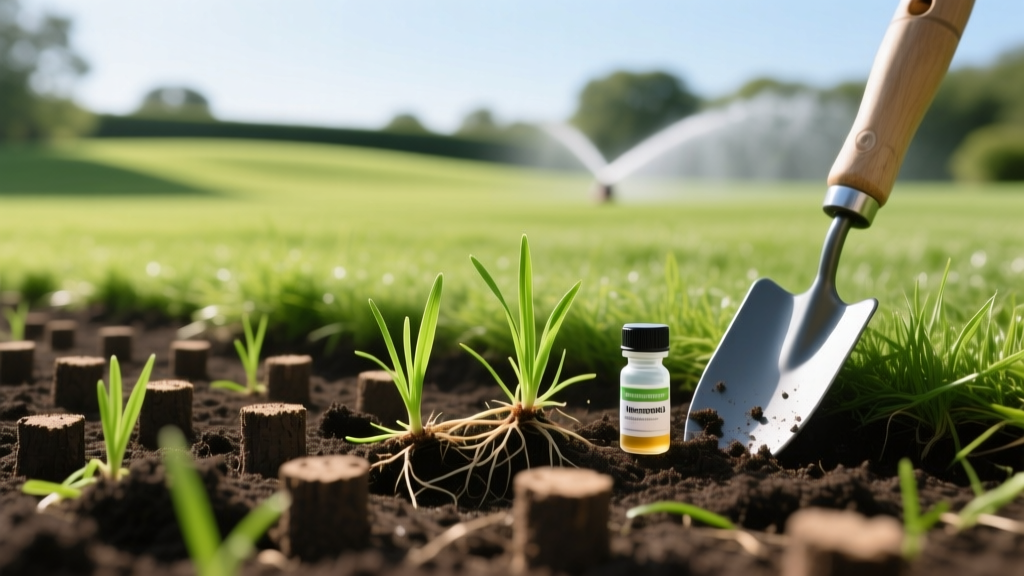
Aeration and Overseeding for Natural Lawn Grub Control
Emily WatsonPublished
The Hidden Link Between Soil Health and Pest Infestations
When homeowners think of pest control, they often picture chemical sprays and granular insecticides. However, the most effective, long-term strategy for managing lawn-destroying insects lies beneath the surface. Integrated Pest Management (IPM) emphasizes cultural and biological controls before resorting to harsh synthetics. Among the most powerful cultural practices in a turf manager's arsenal are core aeration and overseeding. While traditionally viewed as routine lawn maintenance tasks, these techniques are actually foundational pest control strategies that disrupt insect life cycles, build natural resistance, and create an environment where beneficial biological controls can thrive.
Soil-dwelling pests, particularly white grubs (the larval stage of Japanese beetles, masked chafers, and June bugs), thrive in specific environmental conditions. They target lawns with shallow root systems, excessive thatch, and compacted soil. By altering the physical and biological landscape of your lawn through aeration and strategic overseeding, you can naturally repel these pests and recover from damage without relying solely on preventive chemical pesticides.
Why Grubs and Surface Pests Target Compacted Lawns
Compacted soil is a primary catalyst for severe pest damage. When soil particles are pressed tightly together, oxygen and water infiltration are drastically reduced. As a result, turfgrass roots cannot penetrate deeply, resulting in a shallow, stressed root system. According to the University of California Statewide Integrated Pest Management Program, turfgrass with shallow roots is highly susceptible to grub feeding because the insects can easily sever the entire root mass, causing the grass to detach from the soil and die rapidly.
Furthermore, compacted soil and poor drainage encourage the buildup of thatch—a dense layer of dead and living organic matter between the soil surface and the green grass blades. A thatch layer thicker than half an inch provides an ideal, insulated hiding spot for surface-feeding pests like chinch bugs and sod webworms, while also preventing water and natural pest-control organisms from reaching the soil profile.
Core Aeration as a Cultural Pest Control Method
Core aeration involves using a machine to pull small plugs of soil (typically 2 to 3 inches deep) from the lawn. This is vastly superior to spike aeration, which merely punches holes and can worsen compaction. From a pest management perspective, core aeration provides three critical benefits:
- Physical Disruption of the Life Cycle: The mechanical action of the aerator tines physically damages grub larvae and pupae residing in the upper soil layers, reducing the local population naturally.
- Thatch Reduction: By bringing soil cores to the surface, aeration introduces soil microbes that actively decompose thatch. This removes the protective canopy that pests use to hide from predators and harsh sunlight.
- Root Zone Oxygenation: Relieving compaction allows grass roots to grow deep (often 6 inches or more). Deep-rooted turf can withstand significant grub feeding without showing visible surface damage, effectively rendering the pests harmless to the lawn's overall aesthetic and health.
Overseeding with Endophyte-Enhanced Grasses
Overseeding is the process of planting new grass seed directly into existing turf to fill in bare spots and improve density. A thick, dense lawn canopy shades the soil, making it less hospitable for adult beetles looking to lay their eggs, as they prefer warm, thin, and sunny soil surfaces.
However, the true pest control magic of overseeding lies in seed selection. When overseeding, you should choose turfgrass varieties enhanced with endophytes. Endophytes are beneficial, naturally occurring fungi that live symbiotically within the grass plant. Grasses like tall fescue and perennial ryegrass often contain these fungi, which produce alkaloids that are highly toxic or unpalatable to surface-feeding insects such as chinch bugs, sod webworms, and billbugs. By overseeding your lawn with endophyte-enhanced seed blends, you are essentially inoculating your lawn with a natural, built-in biological defense system.
The Nematode Synergy: Biological Pest Control
The most exciting intersection of aeration and pest control involves the application of beneficial nematodes. Nematodes are microscopic, unsegmented worms that actively hunt and kill soil-dwelling pests. The species Heterorhabditis bacteriophora (often abbreviated as Hb) is highly effective against white grubs.
Applying nematodes to a compacted, thatch-heavy lawn is often a waste of money, as UV light can kill them on the surface, and they struggle to penetrate hard soil. Core aeration solves this problem. By applying a liquid or water-suspended nematode treatment immediately after aerating, the nematodes wash directly into the aeration holes. These holes protect the nematodes from UV radiation and place them directly into the root zone where grubs are actively feeding. Cornell University's Biological Control website notes that proper soil moisture and direct soil contact are paramount for nematode efficacy, making the post-aeration window the absolute best time for application.
Step-by-Step IPM Aeration and Overseeding Schedule
To maximize pest control benefits, timing and execution are critical. The following table outlines a professional-grade IPM schedule for cool-season lawns (such as Kentucky bluegrass, tall fescue, and perennial ryegrass).
| Phase | Timing (Cool-Season) | Action & Measurements | Pest Control Benefit |
|---|---|---|---|
| Preparation | Late August | Mow lawn short (1.5 - 2 inches) and water deeply 24 hours prior. | Exposes soil surface and softens ground for deep core penetration. |
| Aeration | Early September | Perform 2 passes with a core aerator. Aim for 20-40 holes per sq. ft. | Physically damages grubs; breaks up thatch hiding spots. |
| Nematodes | Immediately Post-Aeration | Apply H. bacteriophora at a rate of 10 million per 2,000 sq. ft. Water in lightly. | Holes deliver nematodes directly to the grub root-feeding zone. |
| Overseeding | 1-2 Days Post-Aeration | Spread endophyte-enhanced tall fescue at 5-8 lbs per 1,000 sq. ft. | Introduces insect-repelling fungi and thickens turf canopy. |
| Topdressing | Same day as seeding | Drag a mat to break up soil cores and push seed/nematodes into holes. | Ensures seed-to-soil contact and protects biological agents. |
| Germination | Weeks 1-3 Post-Seeding | Water lightly 2-3 times daily to keep the top inch of soil moist. | Maintains the high soil moisture required for nematode survival. |
Product Recommendations and Cost Considerations
Implementing this IPM strategy requires specific tools and materials. Here is a breakdown of what to look for and the associated costs:
- Core Aerator Rental: Rent a gas-powered core aerator from a local hardware store. Expect to pay between $70 and $100 for a half-day rental. Ensure the machine has hollow tines that pull actual plugs, not solid spikes.
- Endophyte-Enhanced Seed: Look for premium seed blends labeled as "endophyte-enhanced" or "insect-resistant." Brands like Jonathan Green or Scotts Turf Builder often feature these genetics in their tall fescue and ryegrass mixes. Cost: $40 to $70 for a 10 lb bag.
- Beneficial Nematodes: Purchase live H. bacteriophora nematodes from specialized biological control suppliers (e.g., Arbico Organics or Gardens Alive). They must be shipped on ice packs and stored in the refrigerator until application. Cost: Approximately $35 to $50 for a pack treating 2,000 to 3,000 square feet.
Crucial Post-Application Care
The success of this natural pest control method hinges on moisture. Both grass seed and beneficial nematodes require consistent moisture to survive. If the soil dries out, the nematodes will desiccate and die, and the grass seed will fail to germinate. You must commit to watering the lawn lightly two to three times a day for the first 14 to 21 days. Avoid using any synthetic fungicides or broad-spectrum insecticides during this establishment period, as these chemicals can inadvertently kill the beneficial nematodes and harm the delicate new grass shoots.
Conclusion: A Long-Term Defense Strategy
Treating a lawn for pests is not just about killing the insects currently present; it is about engineering an environment where pests cannot easily establish or cause catastrophic damage. By viewing core aeration and overseeding through the lens of Integrated Pest Management, you transform routine fall chores into powerful, proactive defenses. You disrupt the physical habitat of the grubs, introduce grasses with natural insecticidal properties, and create the perfect delivery system for biological controls like nematodes. Over time, this holistic approach reduces your reliance on chemical interventions, saves money, and results in a remarkably resilient, vibrant, and naturally pest-resistant lawn.