Pest Control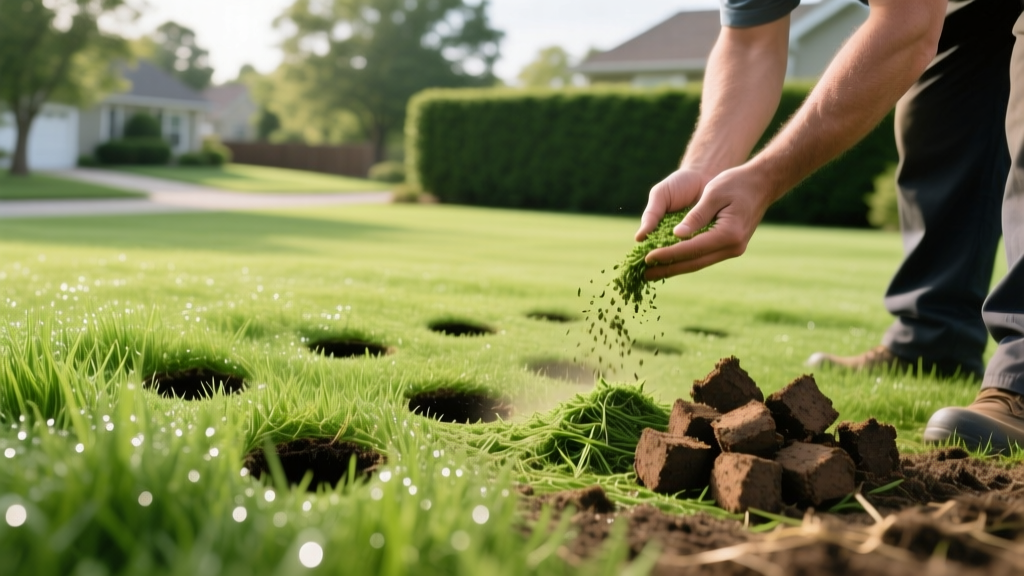
Aeration And Overseeding For Natural Lawn Pest Control
James MillerPublished
The Role of Cultural Practices in Integrated Pest Management
When homeowners think of lawn pest control, they often envision chemical sprays, systemic granules, and synthetic insecticides. However, the foundation of a robust Integrated Pest Management (IPM) strategy relies heavily on cultural practices. According to the EPA's principles of IPM, modifying the environment to make it less hospitable to pests is the most sustainable first line of defense. Among the most powerful cultural techniques available to homeowners are core aeration and overseeding. While traditionally viewed as routine lawn care tasks for soil health, these practices are actually vital pest control mechanisms. They disrupt insect life cycles, eliminate hiding grounds, and cultivate naturally resistant turf, drastically reducing the need for chemical interventions.
How Thatch Buildup Invites Pest Infestations
To understand why aeration is a pest control tool, you must first understand the enemy: thatch. Thatch is a tightly intermingled layer of living and dead stems, roots, and crowns that develops between the soil surface and the green vegetation of your lawn. While a thin layer of thatch (less than half an inch) provides insulation and moisture retention, a thick thatch layer is a disaster for pest management. According to turfgrass researchers at Rutgers University, excessive thatch creates an ideal, temperature-stable microenvironment for destructive insects to lay eggs, hide from predators, and overwinter safely. Pests such as chinch bugs, sod webworms, and billbugs thrive in thick thatch layers because it protects them from both environmental extremes and contact insecticides. Furthermore, thick thatch prevents water and nutrients from reaching the soil, leading to shallow root systems that are highly susceptible to root-feeding grubs. By managing thatch, you are actively destroying the habitat these pests rely on to survive.
Core Aeration: The Mechanical Pest Disruptor
Core aeration involves using a machine to mechanically extract small plugs of soil and thatch, typically 2 to 3 inches deep and 0.5 to 0.75 inches in diameter, from the lawn. From a pest control perspective, this process offers three massive benefits. First, the physical removal of cores directly extracts and disrupts the thatch layer, exposing hidden pests and larvae to the sun and natural predators like birds. Second, the holes left behind alleviate soil compaction. Compacted soil stresses turfgrass, making it more vulnerable to insect attacks and less capable of recovering from feeding damage. By allowing oxygen, water, and nutrients to penetrate the root zone, aeration promotes deep, vigorous root growth that can tolerate and outgrow moderate pest pressure. Third, aeration creates direct pathways into the soil profile. This is exceptionally useful if you are utilizing biological pest controls, such as beneficial entomopathogenic nematodes, which require soil moisture and direct access to the root zone to hunt down white grubs.
Overseeding with Endophyte-Enhanced Grass Seed
Overseeding is the process of planting new grass seed directly into existing turf without tearing up the soil. When combined with aeration, overseeding introduces a powerful biological pest control agent into your lawn: endophytes. Endophytes are naturally occurring, beneficial fungi (such as Epichloë species) that live symbiotically within the cellular structure of certain grass species, particularly tall fescue and perennial ryegrass. The University of California's Statewide IPM Program notes that grasses infected with these beneficial endophytes produce alkaloid compounds that are highly toxic or unpalatable to surface-feeding insects. When pests like chinch bugs, sod webworms, and billbugs feed on endophyte-enhanced grass blades, they ingest these alkaloids, which disrupt their nervous systems, halt their feeding, and ultimately lead to mortality. By overseeding your lawn with endophyte-enhanced turf-type tall fescue, you are effectively planting a living, self-replicating insecticide that targets specific turf-destroying pests without harming humans, pets, or beneficial pollinators.
Pest Vulnerability and Cultural Control Benefits
| Common Lawn Pest | Damage Type | How Aeration & Overseeding Mitigates Threat |
|---|---|---|
| Chinch Bugs | Surface feeding; injects toxin causing yellow/brown patches. | Reduces thatch habitat; endophyte seeds deter feeding. |
| White Grubs | Root feeding; causes turf to roll back like a carpet. | Aeration allows beneficial nematodes to reach soil depth. |
| Sod Webworms | Chews grass blades at the soil line; creates ragged patches. | Thatch removal exposes larvae; endophytes cause mortality. |
| Billbugs | Larvae feed on stems and roots inside the thatch/soil line. | Core removal destroys overwintering sites and larvae. |
Step-by-Step Aeration and Overseeding Protocol for Pest Management
To maximize the pest-control benefits of these techniques, timing and execution are critical. For cool-season grasses (Kentucky Bluegrass, Tall Fescue, Perennial Ryegrass), early fall is the optimal window. The soil is warm enough for rapid seed germination, and the cool air reduces heat stress on new seedlings, allowing the turf to establish a dense canopy before winter dormancy and the following summer's pest hatches.
- Step 1: Mow Low and Rake. Mow your lawn to a height of 1.5 to 2 inches. This ensures the aerator tines can easily penetrate the soil and allows the new seed to make direct contact with the soil rather than getting trapped in the existing canopy.
- Step 2: Hydrate the Soil. Water the lawn deeply 24 hours before aerating. The soil should be moist but not muddy. Moist soil allows the aerator to pull deep, intact cores, which is essential for breaking up compacted layers and thick thatch.
- Step 3: Core Aerate. Run a core aerator over the lawn in two perpendicular directions (e.g., north-south, then east-west). Aim for 20 to 40 holes per square foot. Leave the extracted soil plugs on the lawn; they will break down naturally and act as a topdressing that introduces thatch-degrading microbes back into the turf.
- Step 4: Apply Endophyte-Enhanced Seed. Using a broadcast or drop spreader, apply a high-quality, endophyte-enhanced turf-type tall fescue seed. For general overseeding, apply 5 to 8 pounds of seed per 1,000 square feet. For areas heavily damaged by previous grub or chinch bug activity, increase the rate to 10 pounds per 1,000 square feet.
- Step 5: Topdress and Fertilize. Apply a thin layer (1/4 inch) of compost or peat moss over the seeded areas to retain moisture and protect the seeds from birds. Follow with a starter fertilizer high in phosphorus to encourage rapid root development.
- Step 6: Maintain Moisture. Water the lawn lightly 2 to 3 times daily for the first 14 to 21 days until the seeds germinate. Once established, transition to deep, infrequent watering to encourage drought-tolerant, pest-resistant root systems.
Integrating Biological Controls Post-Aeration
If your lawn has a history of severe grub infestations (such as Japanese Beetle or June Bug larvae), aeration provides the perfect opportunity to introduce biological controls. Because core aeration opens up the soil profile, applying beneficial nematodes (such as Heterorhabditis bacteriophora) immediately after aeration and overseeding allows the nematodes to bypass the thatch barrier and enter the soil where grubs feed. The nematodes will actively seek out and destroy grub larvae, protecting the newly germinated grass seeds from being eaten before they can establish. By combining mechanical disruption (aeration), biological resistance (endophyte overseeding), and natural predators (nematodes), you create a multi-layered pest defense system that aligns perfectly with advanced Integrated Pest Management principles, resulting in a thicker, healthier, and naturally resilient lawn.