
Landscaping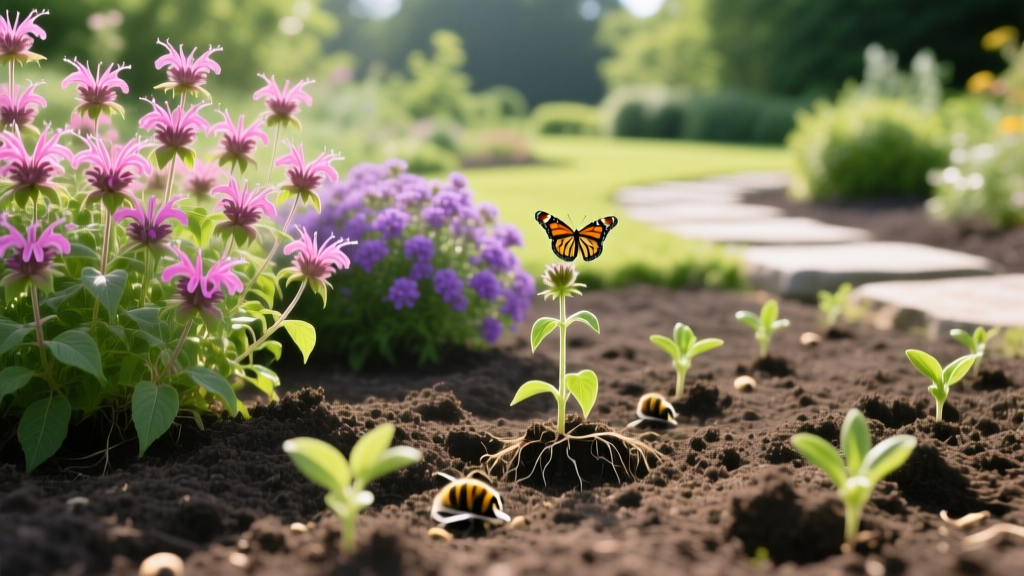
2026 Pollinator Gardens: Aeration & Seeding for Bee Balm Beds
Lisa ThompsonPublished
The Intersection of Lawn Care and Pollinator Habitat Design
When homeowners envision a vibrant pollinator garden, they typically picture colorful blooms, buzzing bees, and fluttering butterflies. Rarely do they picture a heavy, gas-powered core aerator or a broadcast spreader full of grass seed. However, as landscaping trends in 2026 increasingly prioritize ecological function and soil health, the foundational practices of aeration and seeding have become the secret weapons for establishing thriving, deep-rooted pollinator havens. Transitioning a compacted, sterile turf area into a flourishing garden bed featuring bee balm (Monarda) and butterfly bush (Buddleja) requires meticulous soil preparation. Without proper aeration to relieve soil compaction and strategic seeding to establish supportive border grasses, even the most expensive perennial transplants will struggle to survive their first summer.
According to habitat guidelines published by The Xerces Society, the long-term success of any pollinator planting is directly tied to the physical structure of the soil and the presence of diverse, undisturbed ground layers. By applying professional-grade aeration and seeding techniques to your garden bed preparation and surrounding borders, you create an environment where water infiltrates deeply, roots expand effortlessly, and beneficial overwintering insects find safe harbor.
Why Core Aeration is Crucial for Bee Balm and Butterfly Bush
Most residential lawns suffer from severe soil compaction due to years of foot traffic, mowing, and heavy equipment use. If you attempt to dig a hole and plant a butterfly bush or bee balm directly into un-aerated clay or compacted loam, you are essentially creating a 'bathtub' effect. Water will pool around the root ball, leading to fatal root rot.
The Specific Needs of Monarda and Buddleja
- Bee Balm (Monarda didyma): This native perennial spreads via shallow, creeping rhizomes. It requires loose, well-oxygenated topsoil to expand its clump and resist powdery mildew, a common issue when plants are stressed by poor drainage and restricted root zones.
- Butterfly Bush (Buddleja davidii): Known for its deep, aggressive taproot system, the butterfly bush demands excellent drainage. Compacted soil layers physically block taproot penetration, stunting the shrub's growth and making it highly susceptible to winter heave and drought stress.
Core aeration—the process of extracting 2-to-3-inch plugs of soil from the ground—fractures these compacted layers. As highlighted by turf and soil experts at UMass Amherst Extension, removing these cores allows oxygen, water, and organic amendments to reach the subsoil, creating the perfect tilth for transplanting deep-rooted perennials.
Step-by-Step Aeration Guide for Pollinator Bed Prep
To prepare your 2026 pollinator garden site, you must approach aeration differently than you would for a standard lawn overseeding project. You are not just prepping for grass; you are engineering a planting bed.
- Mark the Area and Call Before You Dig: Outline your garden bed. Ensure all underground utilities are marked.
- Moisture Check: Water the area deeply 24 hours before aerating. The soil should be moist but not muddy. If the soil is too dry, the aerator tines will not penetrate; if too wet, the cores will smear and worsen compaction.
- Double-Pass Core Aeration: Rent a heavy-duty walk-behind core aerator. Make two passes over the designated garden bed area: one horizontally and one vertically. This creates a grid of aeration holes spaced roughly 2 to 3 inches apart.
- Leave the Cores: Do not rake away the extracted soil plugs. Allow them to dry and break down naturally over the next two weeks. They contain valuable microorganisms that will inoculate the top layer of your new garden bed.
- Top-Dress with Compost: After aerating, spread a 1-inch layer of premium, screened organic compost over the bed. Use a stiff rake or a leveling drag mat to work the compost directly into the aeration holes. This permanently improves the soil structure and drainage for your future Buddleja and Monarda plantings.
Seeding Pollinator-Friendly Living Borders
A major shift in 2026 landscape design is the move away from bare, shredded hardwood mulch rings around garden beds. Bare mulch offers zero ecological value and degrades quickly. Instead, landscaping professionals are utilizing seeding techniques to establish 'living mulches' and border grasses that suppress weeds, retain soil moisture, and provide habitat.
The USDA NRCS strongly advocates for maintaining diverse plant communities and undisturbed ground cover to support native bee populations, many of which are ground-nesting. By overseeding the perimeter of your new pollinator bed with specific, low-growing grasses, you create a seamless transition from your aerated lawn to your floral display.
Choosing the Right Border Seed Mix
Avoid aggressive turfgrasses like Kentucky Bluegrass, which will invade your garden bed. Instead, select seeds that complement the pollinator theme:
- Creeping Red Fescue: A fine fescue that requires minimal mowing, thrives in partial shade (cast by your butterfly bushes), and forms a dense, weed-suppressing mat.
- Prairie Dropseed (Sporobolus heterolepis): A native ornamental grass that can be seeded in clumps along the sunny borders of the bed. It provides essential overwintering cover for beneficial insects.
- White Clover Micro-Seed: Mixing a small percentage of micro-clover into your border seed mix provides a secondary, low-growing nectar source that blooms early in the spring before the bee balm emerges.
Seeding Rates and Soil Contact
For a fine fescue border, apply seed at a rate of 5 lbs per 1,000 square feet. Just as you would when overseeding a lawn, seed-to-soil contact is paramount. Use a lawn roller after seeding to press the grass seeds firmly into the compost top-dressing, ensuring high germination rates and preventing the seeds from washing away during heavy spring rains.
2026 Cultivar Selection and Planting Strategy
Once the soil is aerated, amended, and the borders are seeded, it is time to plant your star attractions. In 2026, it is critical to select cultivars that are bred for disease resistance and ecological safety.
Butterfly Bush (Buddleja)
Many regions now strictly regulate or ban traditional Buddleja davidii due to its invasive tendencies. You must select sterile, non-invasive cultivars. Look for the Lo & Behold series (such as 'Blue Chip' or 'Purple Haze') or the Miss series (like 'Miss Violet'). These compact, sterile varieties produce abundant nectar without dropping viable seeds into local waterways. Plant them 5 to 6 feet apart, utilizing the compost-filled aeration holes to encourage rapid taproot descent.
Bee Balm (Monarda)
Powdery mildew is the bane of older bee balm varieties. For 2026 plantings, choose resistant cultivars like 'Jacob Cline' (tall, vibrant red, highly attractive to hummingbirds) or 'Purple Rooster' (excellent mildew resistance, sturdy stems). Space these 18 to 24 inches apart to ensure adequate airflow, which works in tandem with your well-aerated soil to keep the root zone healthy and the foliage dry.
2026 Cost and Material Breakdown
Budgeting for a hybrid aeration/seeding and pollinator planting project requires understanding current material and rental costs. Below is an estimated breakdown for a standard 200-square-foot garden bed conversion with a 100-square-foot seeded border.
| Material / Service | Purpose | 2026 Est. Cost | Application / Quantity |
|---|---|---|---|
| Walk-Behind Core Aerator Rental | Relieve compaction, prep bed | $75.00 / day | 4 hours (half-day) |
| Screened Organic Compost | Top-dressing, soil amendment | $45.00 / cubic yard | 1 cubic yard |
| Fine Fescue / Clover Seed Mix | Living border, weed suppression | $35.00 / 5 lb bag | 1.5 lbs for 300 sq ft |
| Sterile Buddleja (1-Gallon) | Nectar source, structural height | $28.00 / plant | 3 plants |
| Resistant Monarda (1-Gallon) | Pollen source, color massing | $18.00 / plant | 9 plants |
| Mycorrhizal Root Dip | Enhance transplant root growth | $22.00 / packet | 1 packet (dip roots) |
Note: Prices reflect early 2026 regional averages and may vary based on local nursery stock and equipment rental availability.
Post-Planting Maintenance and Watering
The first 60 days are critical for both your newly seeded borders and your transplanted perennials. Because the soil has been heavily aerated and amended with compost, it will hold moisture beautifully, but it also requires careful monitoring.
- Weeks 1-3: Water the seeded borders lightly every morning to keep the top inch of soil consistently moist for germination. Water the Monarda and Buddleja transplants deeply every other day to encourage roots to chase the moisture down into the aeration channels.
- Weeks 4-8: Reduce border watering to twice a week as the fine fescue establishes. Transition the perennials to deep, infrequent soakings (1 inch of water per week) to force the butterfly bush taproots deep into the subsoil.
- Ongoing Aeration: Unlike a traditional lawn that requires annual core aeration, your pollinator bed should not be mechanically aerated once established, as this will damage the shallow rhizomes of the bee balm and the crowns of the grasses. Instead, rely on the deep roots of the Buddleja and the earthworm activity attracted by your compost to maintain soil porosity naturally for years to come.
By treating your pollinator garden not just as a collection of flowers, but as a complex soil ecosystem that requires the same rigorous aeration and seeding preparation as a premium athletic field, you guarantee a vibrant, resilient, and ecologically vital landscape for 2026 and beyond.

