
Landscaping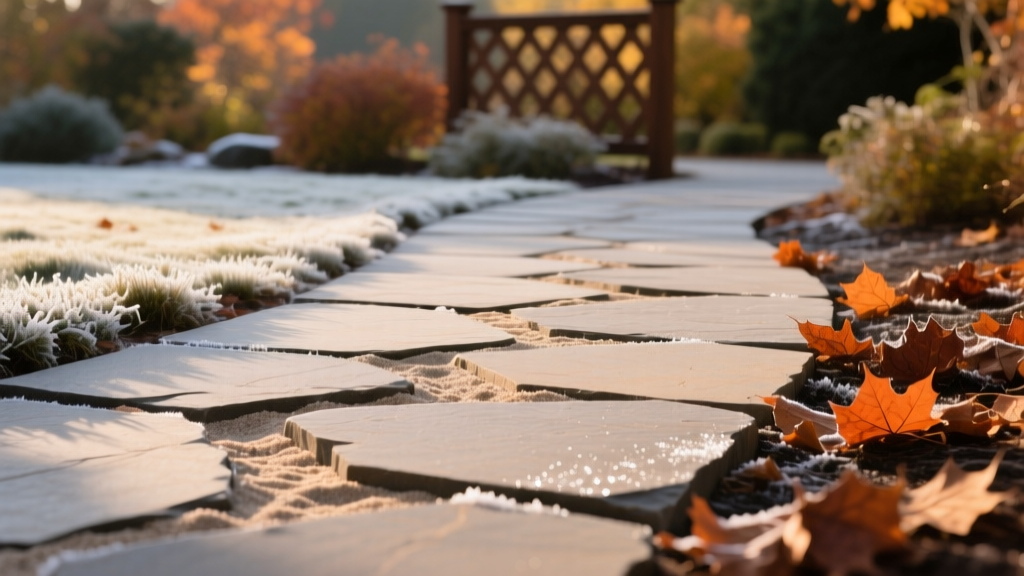
Install Flagstone Walkways With Polymeric Sand: Fall 2026 Guide
Robert HayesPublished
As the autumn leaves begin to fall and the summer heat dissipates, homeowners often shift their focus to leaf cleanup and winterizing their lawns. However, fall is also the premier season for tackling major hardscaping projects. In 2026, the most sought-after landscape upgrade is the natural flagstone walkway stabilized with polymeric sand joints. Combining the rustic elegance of natural stone with modern jointing technology creates a pathway that is not only breathtaking but highly resilient against the impending winter freeze-thaw cycles.
Whether you are connecting a cozy fire pit area to your back door or creating a meandering path through your autumn garden, installing a flagstone walkway in the fall ensures your landscape is perfectly positioned for spring enjoyment. This comprehensive guide covers everything you need to know about planning, pricing, and executing a flagstone installation with polymeric sand during the autumn months.
Why Fall is the Ideal Season for Hardscaping
While spring is traditionally associated with planting, autumn offers distinct advantages for hardscaping and base preparation. According to landscape industry experts, the moderate temperatures of fall prevent the rapid drying of base materials and reduce physical strain on the installation crew. More importantly, completing your walkway installation before the deep winter freeze allows the base layers to settle naturally.
When you install a walkway in the fall, you give the crushed stone base and the polymeric sand joints time to fully cure and stabilize before the heavy spring rains arrive. Furthermore, addressing landscape drainage and hardscape integration in the autumn aligns perfectly with broader green infrastructure practices, ensuring that winter snowmelt is properly managed rather than pooling against your home's foundation.
Choosing the Right Flagstone for Your Climate
Not all natural stone is created equal, especially when it comes to surviving harsh winters. Flagstone is a generic term for sedimentary rock that splits into layers, but its durability varies wildly based on its origin. For regions that experience severe freeze-thaw cycles, high-density stones like Pennsylvania Bluestone or select quartzites are mandatory. These stones have low porosity, meaning they absorb less water. When water trapped inside porous stone freezes, it expands and causes the face of the stone to spall or flake off. By selecting a dense, frost-resistant stone, you guarantee that your walkway will maintain its structural integrity and visual appeal for decades.
2026 Material Guide and Pricing Breakdown
The cost of natural stone and specialized jointing compounds has seen slight adjustments in 2026 due to global supply chain shifts and a surge in demand for permeable, eco-friendly landscaping materials. When budgeting for your fall project, it is crucial to select materials that can withstand local climate extremes. The National Association of Landscape Professionals consistently recommends investing in high-quality, UV-stable polymeric sands to prevent washout and weed growth.
| Material Type | Best Use Case | Estimated 2026 Cost |
|---|---|---|
| Pennsylvania Bluestone (Flagstone) | High-traffic areas, formal gardens, freeze-thaw climates | $8.00 - $12.00 per sq. ft. |
| Arizona Flagstone | Rustic paths, warmer climates, dry creek beds | $5.00 - $8.00 per sq. ft. |
| Crushed Limestone Base (3/4-inch minus) | Sub-base for drainage and frost heave prevention | $45.00 - $60.00 per ton |
| Premium Polymeric Sand | Joints 1/2-inch to 4-inches wide, high flexibility for winter | $35.00 - $45.00 per 50lb bag |
Note: Prices are national averages for 2026 and may vary based on regional quarry availability and local delivery fees.
Essential Tools for the Modern Hardscape Installer
To achieve a professional-grade finish, you need more than just a shovel and a wheelbarrow. The 2026 standard for DIY hardscaping requires specific equipment to ensure proper compaction and cutting. First, a vibratory plate compactor with a urethane pad is non-negotiable; it protects the natural cleft of the flagstone while providing the necessary downward force to lock the base and joints. Second, invest in a high-quality angle grinder equipped with a continuous rim diamond blade designed specifically for natural stone. This will allow you to score and shape irregular flagstone pieces without causing micro-fractures that could split during winter freezes. Finally, a digital laser level is crucial for maintaining the exact 1/4-inch per foot slope required for optimal drainage. Relying on traditional string lines can lead to subtle dips where autumn rain and melting snow will pool, eventually undermining your polymeric sand joints.
Step-by-Step Fall Installation Guide
Installing flagstone with polymeric sand requires precision, especially regarding base depth and joint preparation. Follow these steps to ensure your walkway survives the winter intact.
1. Excavation and Frost-Proof Base Preparation
The most common cause of walkway failure is frost heave—when moisture in the soil freezes, expands, and pushes the stones upward. To combat this, excavate the pathway to a depth of at least 8 to 10 inches. Lay down a high-quality geotextile fabric to separate the native soil from your base material and prevent weed intrusion. Next, add a 4 to 6-inch layer of 3/4-inch minus crushed limestone. Compact this layer thoroughly using a plate compactor in 2-inch lifts. A well-compacted base is your primary defense against winter ground movement.
2. Setting the Flagstone
Unlike concrete pavers, natural flagstone features irregular shapes and varying thicknesses. You will need a layer of coarse, washed concrete sand (about 1 to 2 inches) over the compacted base to allow for leveling. As you place each stone, use a rubber mallet to tap it into the sand bed. Ensure the stones are set with a slight pitch (about 1/4 inch per foot) away from your home or retaining walls to facilitate autumn rain and snowmelt runoff. Maintain a joint spacing of 1.5 to 3 inches to allow adequate room for the polymeric sand.
3. Applying the Polymeric Sand
Polymeric sand contains specialized additives that, when activated with water, bind the sand particles together to form a flexible, concrete-like joint. This flexibility is vital for 2026 landscaping, as it allows the joints to expand and contract during winter temperature fluctuations without cracking. Ensure the flagstone surface is completely dry before application. Sweep the polymeric sand deeply into the joints, leaving about 1/8 inch of space below the stone surface. Use a plate compactor with a protective urethane pad to vibrate the sand down, eliminating air pockets. Repeat the sweeping and compacting process until the joints are completely filled.
4. Activation and the Fall Curing Challenge
Activating polymeric sand requires a delicate balance of moisture. Use a garden hose with a shower nozzle to gently mist the joints. The goal is to saturate the sand without washing it out. In the fall, this step requires careful weather monitoring. You must have a minimum of 48 hours of dry weather with temperatures above 50°F (10°C) for the polymers to cure correctly. Autumn mornings bring heavy dew, which can prematurely activate the polymers on the surface, leading to a hazy film on your beautiful flagstone. To prevent this, cover the walkway with a breathable tarp overnight during the curing process.
Winterizing and Maintaining Your Flagstone Walkway
Once your polymeric sand has fully cured, your walkway is ready for winter. However, proper maintenance is required to protect the joints from harsh de-icing chemicals. According to material manufacturers like Techniseal, traditional rock salt (sodium chloride) can degrade the polymers and cause the sand to crumble over time.
Instead, opt for calcium chloride-based ice melters, which are generally safer for hardscapes and effective at lower temperatures. Alternatively, use clean, coarse traction sand to provide grip on icy mornings. Avoid using metal shovels or sharp ice choppers, as these can chip the natural edges of the flagstone and gouge the polymeric joints. A high-quality poly-blade snow shovel is the best tool for clearing your natural stone paths.
Integrating Hardscapes with Fall Lawn Care
Your new flagstone walkway should complement your autumn lawn care routine. As you aerate and overseed your lawn in the early fall, take care to protect the freshly laid polymeric joints from heavy foot traffic and stray grass seed. Edge the areas where the lawn meets the walkway to create a crisp, defined border that prevents creeping grasses from undermining the stone base. By syncing your hardscaping projects with your fall landscaping schedule, you create a cohesive, low-maintenance outdoor environment that will look spectacular when the spring thaw arrives.

