Pest Control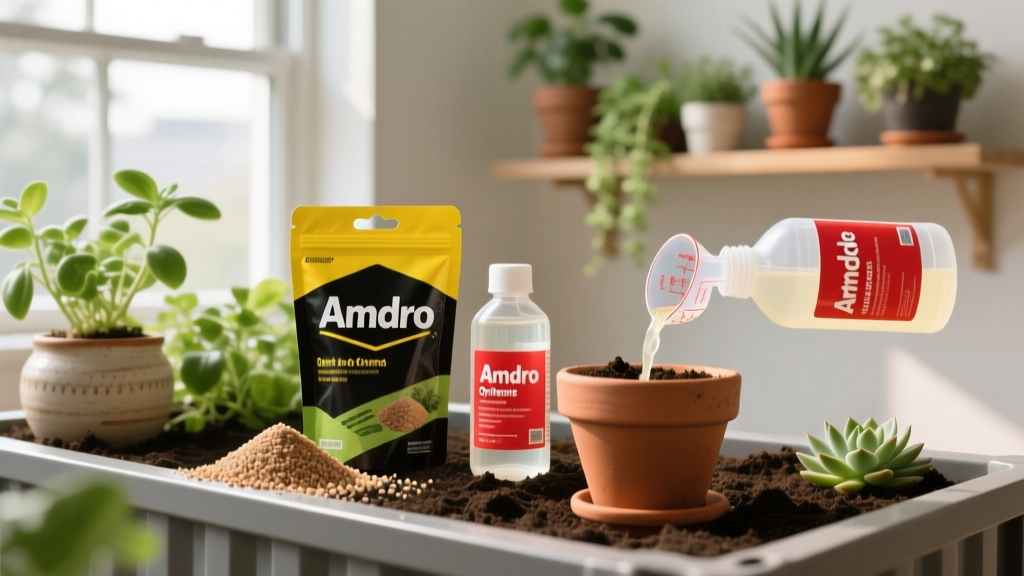
2026 Fire Ant Control in Pots: Amdro Bait vs Orthene Drench
Mike RodriguezPublished
The Unique Challenge of Fire Ants in Container Gardens
Container gardening has seen a massive resurgence in 2026, with urban balconies, patio setups, and raised bed systems becoming the primary way many homeowners grow their favorite ornamentals and edibles. However, this shift has brought a specific, aggressive pest to the forefront: the Red Imported Fire Ant (Solenopsis invicta). While fire ants are a known nuisance in open lawns, their invasion of container pots presents a unique set of challenges that require specialized pest control strategies.
Why do fire ants love pots? Container soil—typically a lightweight mix of peat, coir, perlite, and pine bark—offers exceptional drainage and aeration. Furthermore, dark plastic and terracotta pots absorb solar radiation, creating a warm thermal mass that fire ants seek out, especially during the cooler evenings of early spring or late autumn. When a colony establishes itself inside a patio pot, the confined space makes the mound incredibly dense, increasing the risk of severe stings when you attempt to move the pot or harvest herbs.
When dealing with fire ants in containers, homeowners typically reach for two of the most prominent chemical controls on the market: Amdro Fire Ant Bait and Orthene Fire Ant Killer. But which one is actually effective, safe, and appropriate for the unique micro-environment of a potted plant? In this comprehensive 2026 guide, we break down the science, safety, and application methods for both products to help you protect your container garden.
Understanding Your Arsenal: Amdro vs. Orthene
To make an informed decision, you must understand how the active ingredients in these two products interact with both the fire ant colony and the potted plant ecosystem.
Amdro Fire Ant Bait (Hydramethylnon)
Amdro relies on the active ingredient hydramethylnon, a slow-acting stomach poison. The bait is formulated with a soybean oil and corn grit carrier that mimics the food sources fire ants naturally forage for. When worker ants discover the bait around your container garden, they do not die immediately. Instead, they carry the toxic granules back to the nest and feed them to the larvae and the queen through a process called trophallaxis.
Because the poison is slow-acting, the colony does not recognize it as a threat, allowing the bait to permeate the entire social structure. According to the Texas Imported Fire Ant Research and Management Project, baiting is the cornerstone of long-term Integrated Pest Management (IPM) because it specifically targets the reproductive center of the colony. For container gardens, Amdro is highly advantageous because it requires no soil drenching, meaning there is zero risk of chemical runoff or root burn to your delicate potted plants.
Orthene Fire Ant Killer (Acephate)
Orthene utilizes acephate, a broad-spectrum organophosphate insecticide. Unlike Amdro, Orthene is typically applied as a mound drench or a direct surface dust. It works on contact and also possesses systemic properties, meaning it can be absorbed by plant roots and translocated through the plant's vascular system. When applied as a liquid drench to a fire ant mound inside a large half-barrel or raised container, it provides a rapid 'knockdown' effect, killing thousands of worker ants and the queen within hours.
However, as of 2026, the Environmental Protection Agency (EPA) and various state agricultural boards have heavily scrutinized organophosphates due to their toxicity to non-target organisms, including pollinators and aquatic life. Furthermore, the systemic nature of acephate makes it an absolute hazard for any container garden housing edible plants like tomatoes, peppers, or culinary herbs. The plant will absorb the chemical, rendering your homegrown produce unsafe for consumption.
Head-to-Head Comparison: Amdro vs. Orthene for Pots
The following table summarizes how these two treatments perform specifically within the context of container and pot gardening in 2026.
| Feature | Amdro Fire Ant Bait | Orthene Fire Ant Killer |
|---|---|---|
| Active Ingredient | Hydramethylnon (Amidino-hydrazone) | Acephate (Organophosphate) |
| Speed of Kill | Slow (7 to 14 days for colony collapse) | Fast (24 to 48 hours for knockdown) |
| Application Method | Broadcast granules around the pot base | Liquid soil drench or direct dust |
| Edible Plant Safety | High (Not applied to soil directly) | Extremely Low (Systemic absorption risk) |
| Runoff Risk | Low (Granules stay on hardscapes) | High (Liquid drench leaches out drainage holes) |
| Best Use Case | Perimeter defense, edible pots, IPM programs | Severe infestations in non-edible ornamentals only |
| 2026 Avg. Cost | ~$22.00 per 1.5 lb bag | ~$14.00 per 1 lb dust/shaker |
Step-by-Step Application Guide for Container Gardens
Treating a pot is fundamentally different from treating a lawn mound. You must account for drainage holes, watering schedules, and the proximity of the plant's root ball to the ant nest.
How to Apply Amdro Bait Around Pots
The golden rule of baiting is to let the ants do the work for you. You do not need to put the bait inside the potting soil.
- Identify the Foraging Trails: Watch the pot during the early morning or late evening. Look for ants trailing down the side of the pot or emerging from the drainage holes.
- Apply to Hardscapes: Sprinkle a thin, even layer of Amdro granules on the patio surface, driveway, or lawn immediately surrounding the base of the container. Use about 1/4 cup per 10 linear feet of perimeter.
- Manage Moisture: Hydramethylnon bait loses its attractiveness if it gets wet. If you water your containers heavily and runoff pools at the base, sweep the bait away before watering, or apply it under a protective patio overhang.
- Be Patient: Do not disturb the mound inside the pot. Disturbing the ants will cause the colony to 'bud' (split into multiple satellite colonies), making the infestation worse. Allow 10 to 14 days for the colony to collapse.
How to Apply Orthene Drench (For Ornamentals Only)
Warning: Never use Orthene in pots containing vegetables, fruits, or herbs. Only use this method for large, isolated ornamental containers (like a massive agave or palm pot) where immediate eradication is necessary to prevent human injury.
- Mix the Drench: Follow the 2026 label instructions precisely. Typically, this involves mixing 1 ounce of Orthene powder per gallon of water.
- Pre-Water the Pot: Lightly water the container an hour before treatment. Dry potting soil (especially peat-heavy mixes) can become hydrophobic, causing the toxic drench to channel straight out the drainage holes without saturating the mound.
- Apply Slowly: Pour the drench slowly over the center of the mound. Use a watering can with a rose attachment to prevent splashing. Stop pouring the moment you see liquid exiting the bottom drainage holes to minimize environmental contamination.
- Isolate the Pot: Keep pets and children away from the container for at least 48 hours. The soil will remain highly toxic to non-target insects, including beneficial earthworms and native pollinators that might land on the damp soil.
Integrated Pest Management (IPM) for Containers in 2026
Chemical controls are only one piece of the puzzle. Modern IPM strategies emphasize making your container garden inhospitable to pests before they arrive. Fire ants are opportunistic; if you remove the incentives, they will bypass your pots entirely.
- Elevate with Pot Feet: Fire ants often enter pots through the drainage holes at the base. By elevating your containers on terracotta or stone 'pot feet', you create an exposed gap that is easily inspected and treated with barrier sprays, while also improving drainage.
- Copper Mesh Barriers: In 2026, many container gardeners are stuffing coarse copper mesh into the bottom of pots before adding soil. While copper does not repel fire ants chemically, the physical barrier of the mesh makes it incredibly difficult for queens to establish a nest deep within the pot, forcing them to build surface mounds that are easier to spot and treat with bait.
- Diatomaceous Earth (DE): Food-grade DE can be dusted around the saucers and bases of your pots. DE works mechanically, lacerating the exoskeleton of foraging ants and causing them to dehydrate. Note that DE must be reapplied after every rainstorm or heavy watering session.
- Essential Oil Deterrents: While not a cure for an established mound, spraying a mixture of water, dish soap, and high-concentration cinnamon or citrus essential oils around the exterior of your pots can disrupt the pheromone trails foraging ants use to navigate.
Environmental and Safety Considerations
As environmental regulations continue to evolve in 2026, the responsible gardener must consider the broader impact of their pest control choices. The Texas Imported Fire Ant Research and Management Project consistently advocates for the 'Two-Step Method'—using broadcast baits for area-wide control and targeted treatments for nuisance mounds. In a container garden, this translates to using Amdro bait around your entire patio perimeter to suppress the overall population, reserving harsh chemical drenches only for extreme emergencies in non-edible zones.
Furthermore, be acutely aware of where your container runoff flows. If your patio drains into a municipal storm sewer or a nearby creek, applying liquid acephate drenches is not just ecologically damaging; in many jurisdictions, it is a violation of local water protection ordinances. Baits like Amdro, when applied correctly to dry hardscapes, eliminate this runoff risk entirely, making them the superior, sustainable choice for the modern container gardener.
Conclusion
When battling fire ants in your container garden, patience and precision will always triumph over brute force. While Orthene offers the immediate gratification of a rapid kill, its systemic risks, environmental hazards, and unsuitability for edible pots make it a poor choice for most home gardeners. Amdro Fire Ant Bait, leveraging the natural foraging behaviors of the colony, provides a safer, more thorough, and environmentally responsible solution. By combining targeted bait applications with physical barriers like pot feet and copper mesh, you can maintain a thriving, sting-free container garden throughout the 2026 growing season and beyond.