Pest Control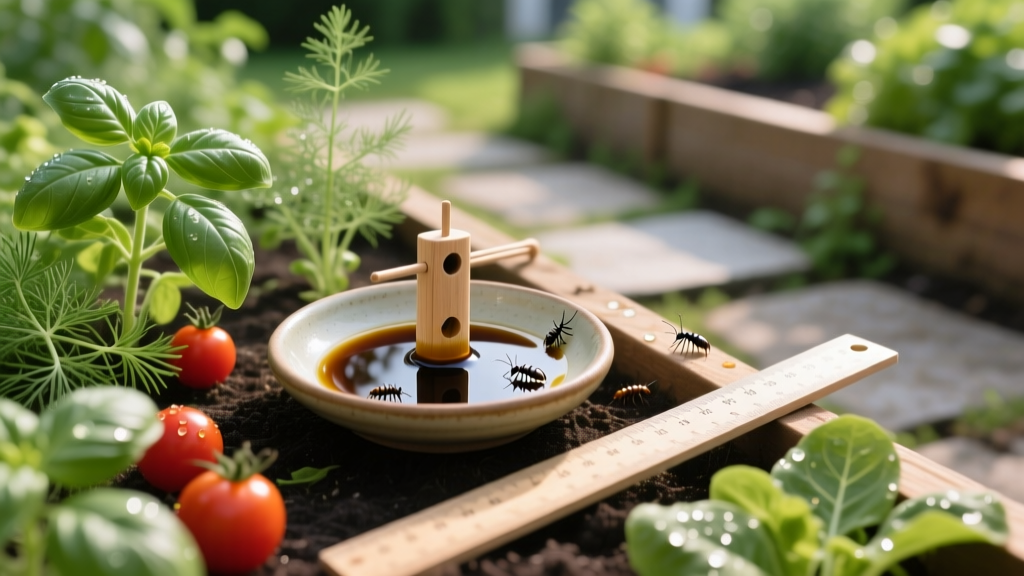
DIY Soy Sauce & Oil Earwig Traps for Foodscapes 2026
Mike RodriguezPublished
Protecting Your 2026 Foodscape from Earwigs
As edible landscaping and foodscaping continue to dominate home garden trends in 2026, integrating ornamental beauty with culinary utility has never been more popular. However, blending vegetable crops with decorative flora creates a unique microclimate that often attracts unwanted guests. Among the most notorious of these pests is the European earwig (Forficula auricularia). While earwigs can be beneficial predators of aphids and mites, their appetite for tender seedlings, soft fruits, and delicate flower petals makes them a significant threat to meticulously designed foodscapes. When you are growing organic strawberries, crisp butterhead lettuce, and fragrant basil just steps from your kitchen door, reaching for broad-spectrum synthetic pesticides is out of the question. You need a targeted, organic, and highly effective solution. Enter the DIY soy sauce and oil earwig trap—a staple of integrated pest management (IPM) that leverages simple pantry ingredients to protect your harvest without compromising soil health or food safety.
Why Earwigs Target Your Edible Landscape
Earwigs are nocturnal scavengers that thrive in cool, moist environments. In a traditional lawn setting, they might hide in thatch or under rocks, causing minimal damage. But in a foodscape, the environment is practically engineered for their comfort. Raised garden beds filled with moisture-retentive compost, dense plantings of leafy greens, and the decaying organic matter from dropped fruit create an all-you-can-eat buffet.
In 2026, climate shifts and extended periods of spring moisture in many regions have led to earlier and more severe earwig emergences. They specifically target the tender, emerging leaves of Swiss chard, the ripening berries of alpine strawberries, and the soft new growth of artichokes and nasturtiums. The damage typically presents as irregular, jagged holes in leaves, or shallow, scabbed indentations on the surface of soft fruits. Because they feed at night and hide during the day, gardeners often blame slugs or snails for the damage, leading to ineffective treatment strategies. Correctly identifying the pest is the first pillar of the EPA's Integrated Pest Management principles.
The Science Behind the Soy Sauce and Oil Trap
The DIY soy sauce and oil trap is a masterclass in behavioral pest control. It relies on two distinct mechanisms: attraction and entrapment.
The Attractant: Soy Sauce
Earwigs are highly attracted to the scent of fermentation, yeast, and decaying organic matter. Soy sauce is rich in amino acids, volatile organic compounds, and sodium, which collectively mimic the olfactory profile of rotting fruit and decomposing plant material. The strong, pungent aroma acts as a beacon, drawing earwigs from several feet away, effectively luring them out from beneath mulch and dense groundcovers.
The Entrapment: Vegetable Oil
While soy sauce lures them in, it is not inherently lethal. Insects can easily drink from small puddles of liquid and walk away. This is where the vegetable oil comes in. By adding a layer of oil to the surface of the soy sauce, you drastically reduce the liquid's surface tension. When an earwig leans over the edge of the trap to investigate the scent, the oil coats its legs and exoskeleton. Unable to gain traction or fly away, the earwig sinks and drowns. Furthermore, the oil prevents the volatile scents of the soy sauce from evaporating too quickly, ensuring the trap remains active for a longer period. According to UC Agriculture and Natural Resources, trapping is a highly effective monitoring and suppression tool for earwig populations when deployed in sufficient numbers.
Step-by-Step Guide: Building Your DIY Trap
Creating these traps is incredibly cost-effective, usually costing less than a few cents per unit, and utilizes items you likely already have in your kitchen or recycling bin.
Materials Needed
- Containers: Shallow, wide-mouthed vessels. Recycled tuna cans, small yogurt cups, or the bottoms of cut-off plastic water bottles work perfectly. In 2026, many foodscapers are also using biodegradable bamboo fiber pods to avoid leaving plastic waste in the garden.
- Attractant: Standard or low-sodium soy sauce. (Do not use tamari or liquid aminos, as the specific fermentation profile of traditional soy sauce is more attractive to earwigs).
- Barrier: Any inexpensive vegetable oil. Canola, soybean, or even strained, recycled cooking oil from your kitchen works excellently.
- Tools: A small trowel or hand cultivator for burying the traps.
Assembly and Placement Instructions
- Mix the Bait: Fill your chosen container about halfway full with soy sauce.
- Add the Oil: Gently pour a layer of vegetable oil on top of the soy sauce until the surface is completely covered (about 1/4 inch thick).
- Bury the Trap: Dig a small hole in your foodscape near the base of affected plants. Place the container in the hole so that the rim is completely flush with the soil surface. Earwigs are ground-dwelling foragers; they will not climb up the side of a protruding cup.
- Strategic Spacing: Place traps every 3 to 5 feet around the perimeter of your raised beds, near compost bins, and under the dense canopy of strawberry planters.
- Maintenance: Check the traps every morning. Use a small slotted spoon or tweezers to remove dead earwigs. Refresh the soy sauce and oil mixture every 5 to 7 days, or immediately after a heavy rain.
2026 Earwig Control Comparison Chart
When managing an edible landscape, safety and efficacy must be balanced. Below is a comparison of the most common earwig control methods utilized in foodscaping today.
| Control Method | Foodscape Safety | Cost per Unit | Longevity | Best Use Case |
|---|---|---|---|---|
| DIY Soy Sauce & Oil Trap | Excellent (100% Organic) | < $0.10 | 5-7 Days | Continuous monitoring & population reduction in small-to-medium beds. |
| Spinosad Baits (Commercial) | Good (OMRI Listed) | $0.25 - $0.50 | 10-14 Days | Heavy infestations where manual trapping is insufficient. |
| Diatomaceous Earth (DE) | Excellent (Organic) | $0.15 | Until wet | Dry perimeter defense; ineffective in irrigated foodscapes. |
| Neem Oil Sprays | Moderate (Can harm beneficials) | $0.30 | 1-2 Days | Foliar deterrent; does not kill hiding earwigs in the soil. |
Integrating Traps into a Broader IPM Strategy
While the soy sauce and oil trap is remarkably effective at reducing adult populations, relying on a single tactic violates the core tenets of integrated pest management. To truly protect your 2026 foodscape, you must combine trapping with cultural and environmental controls.
Moisture Management
Earwigs require high humidity to survive and reproduce. In edible landscapes, over-irrigation is a primary driver of earwig outbreaks. Transition your raised beds to drip irrigation systems with automated soil moisture sensors. By delivering water directly to the root zone and keeping the top inch of soil relatively dry, you eliminate the damp microclimates earwigs need to lay their eggs. Furthermore, always water your foodscapes in the early morning rather than the evening. This allows the soil surface to dry out before nightfall, making the area far less inviting to nocturnal foragers.
Sanitation and Mulching Tactics
Foodscaping often involves leaving plant debris on the soil to build organic matter, but this can harbor earwigs. Promptly remove rotting fruit, fallen petals, and heavily damaged leaves. If you use mulch in your edible beds, avoid thick layers of straw or wood chips near the stems of tender plants like lettuce and basil. Instead, opt for a thin layer of compost or use living mulches like creeping thyme, which do not provide the same deep, dark harborage that earwigs prefer. As noted by Penn State Extension, modifying the habitat to reduce daytime hiding spots is just as critical as active trapping.
Encouraging Natural Predators
A healthy foodscape is a balanced ecosystem. Birds, toads, and certain ground beetles are voracious predators of earwigs. Incorporate a small water feature or a toad abode (an overturned terracotta pot in a shady corner) to encourage amphibians to take up residence in your garden. Planting diverse, pollen-rich flowers like yarrow, alyssum, and dill will also attract predatory insects that help keep the broader pest ecosystem in check.
When to Escalate Your Earwig Control
There are times when a sudden population explosion outpaces your DIY traps. If you are finding dozens of earwigs in your traps nightly and still seeing severe damage to your high-value crops like heirloom tomatoes or prized culinary herbs, it may be time to escalate.
In an edible landscape, you must avoid synthetic pyrethroids or carbamates, which can leave toxic residues on your food and harm essential pollinators. Instead, look for OMRI-listed (Organic Materials Review Institute) baits containing Spinosad. Spinosad is a naturally occurring soil bacterium that is highly lethal to earwigs when ingested but breaks down rapidly in sunlight, posing minimal risk to humans and pets when used according to label directions. Apply these baits in the late evening around the perimeter of your beds, never directly on the edible portions of the plants.
Conclusion
Foodscaping is a rewarding endeavor that blurs the line between ornamental gardening and sustainable agriculture. However, the lush, moist environments required to grow premium edibles will inevitably attract pests like the earwig. By utilizing the DIY soy sauce and oil trap, you are employing a brilliant, cost-effective, and entirely organic method of pest suppression. It allows you to monitor pest pressure, reduce populations, and protect your harvest without introducing harmful chemicals into your soil or your diet. Combine these traps with smart watering practices and habitat modification, and your 2026 edible landscape will thrive, yielding beautiful, delicious, and pest-free crops all season long.