Pest Control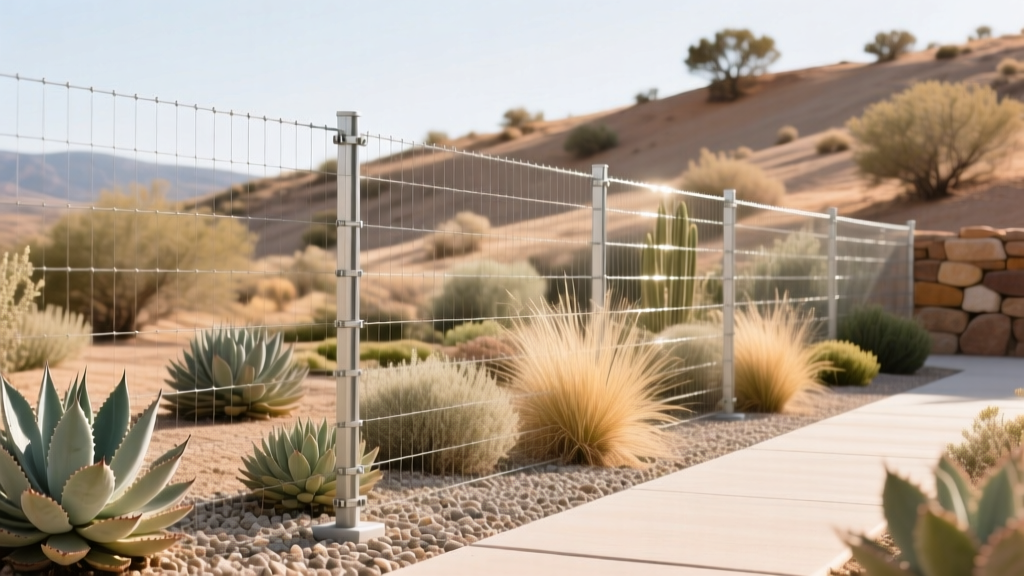
2026 Rabbit Exclusion: 2-Foot Chicken Wire Fence for Xeriscapes
Sarah ChenPublished
The Xeriscape Paradox: Why Rabbits Target Low-Water Landscapes
As municipal water restrictions tighten across the country in 2026, xeriscaping and low-water landscaping have transitioned from niche desert gardening techniques to mainstream necessities. Homeowners are investing heavily in drought-tolerant plants like Agave, Salvia greggii, Penstemon, and various succulents. However, a frustrating paradox emerges for low-water gardeners: the very plants chosen for their hardiness often become prime targets for local wildlife, particularly cottontail rabbits and jackrabbits.
There is a persistent myth in the gardening community that "drought-tolerant" automatically means "pest-proof." In reality, rabbits in arid and semi-arid environments are driven by a constant search for moisture. Xeriscape plants, especially succulents and the tender new spring growth of native sages, act as biological water reservoirs. When natural forage dries up, your carefully curated, water-wise garden becomes an irresistible oasis. To protect these slow-growing, often expensive investments, physical exclusion remains the most reliable strategy. In 2026, the gold standard for Integrated Pest Management (IPM) in xeriscapes is the strategic installation of a 2-foot chicken wire fence.
Why a 2-Foot Chicken Wire Fence is the Gold Standard
While deer require 8-foot barriers, rabbits are ground-dwelling foragers. They are not high jumpers; instead, they are prolific diggers and squeezers. A 2-foot (24-inch) chicken wire fence provides the perfect balance of physical exclusion and aesthetic subtlety, which is crucial when trying to maintain the natural, rugged beauty of a xeriscape or rock garden.
According to the University of California Integrated Pest Management (UC IPM) program, physical barriers are the most effective long-term solution for rabbit damage, provided they are installed correctly to prevent burrowing. The key to a successful 2-foot fence is not just its height above ground, but its configuration below ground. Rabbits will readily dig under a standard fence, rendering it useless. Therefore, the installation must incorporate an "L-footer" trenching technique, which we will detail below.
Materials and 2026 Cost Breakdown
When designing a barrier for a low-water landscape, the materials must withstand harsh sun, fluctuating temperatures, and minimal maintenance. Bright, galvanized silver wire reflects sunlight and disrupts the natural earth tones of a xeriscape. In 2026, PVC-coated or vinyl-dipped chicken wire is the preferred choice, as it blends seamlessly with desert environments and resists UV degradation.
Essential Materials List
- 2-Foot PVC-Coated Chicken Wire: 1-inch mesh, 20-gauge. Choose dark green, brown, or black to blend with gravel and mulch. (Estimated 2026 cost: $1.75 - $2.50 per linear foot).
- Support Posts: 3-foot steel U-posts (for straight runs) or natural cedar stakes (for a more organic, rustic look in native gardens).
- Fasteners: UV-resistant zip ties (for U-posts) or galvanized poultry staples (for wood stakes).
- Landscape Pins / Sod Staples: 6-inch steel staples to secure the buried L-footer to the soil.
- Tools: Trenching shovel, wire cutters, heavy leather gloves, and a post pounder.
Step-by-Step Installation Guide for Desert and Rock Gardens
Installing a rabbit exclusion fence in a xeriscape requires care to avoid disturbing the root zones of established drought-tolerant plants and to preserve your hardscaping elements like decomposed granite (DG) and river rock.
Step 1: Perimeter Mapping and Clearing
Map out the perimeter of the garden beds you need to protect. Keep the fence line as tight to the planting area as possible to minimize the visual footprint. Clear away large rocks, decorative gravel, and low-hanging branches from the immediate fence line to ensure a flush fit against the ground.
Step 2: Digging the L-Footer Trench
This is the most critical step. The University of Minnesota Extension emphasizes that rabbits are natural excavators. To stop them, dig a shallow trench along your fence line that is 6 inches deep and 6 inches wide, angling outward (away from the garden). This creates the horizontal leg of the "L".
Step 3: Unrolling and Shaping the Wire
Unroll your 2-foot chicken wire and lay it flat. Bend the bottom 6 inches of the wire at a strict 90-degree angle. When placed in the trench, the wire should go 6 inches straight down into the earth, and then bend 6 inches outward horizontally, resting in the trench you dug. This outward-facing lip prevents rabbits from digging directly at the base of the fence; when they dig, they hit the wire mesh and stop.
Step 4: Securing the Posts and Wire
Drive your 3-foot U-posts or cedar stakes into the ground every 4 to 6 feet. Ensure they are driven deep enough to remain stable in loose, sandy xeriscape soils. Attach the vertical portion of the chicken wire to the posts using UV-resistant zip ties or staples. Pull the wire taut to prevent sagging, which can create gaps for small rabbits to slip through.
Step 5: Backfilling and Camouflaging
Once the wire is secured and the L-footer is resting in the trench, backfill the trench with native soil and tamp it down firmly. Secure the horizontal lip of the L-footer with steel landscape pins every 2 feet to prevent it from popping up over time.
Hiding the Wire: Aesthetic Integration in Xeriscapes
The primary complaint about chicken wire in ornamental landscapes is its visual intrusion. In a traditional lawn, a fence stands out. In a xeriscape, you have unique hardscaping tools at your disposal to hide the barrier.
- Gravel and Rock Mulch: After backfilling the L-footer trench, cover the horizontal wire lip with a 2-inch layer of decorative gravel, crushed granite, or river rock. This anchors the wire, hides the metal, and maintains the permeable surface essential for low-water landscaping.
- Strategic Planting: Plant rabbit-resistant, dense, low-growing xeriscape groundcovers on the outside of the fence. Species like Delosperma (Ice Plant) or creeping Thyme will grow over and around the base of the fence, effectively camouflaging the bottom edge while providing an additional layer of defense.
- Color Matching: If your xeriscape features dark mulch or volcanic rock, use black PVC-coated wire. Black wire virtually disappears in the shadows of desert landscaping, whereas green wire is better suited for areas with native ornamental grasses.
Integrated Pest Management (IPM) Beyond the Fence
A physical fence is the cornerstone of IPM, but it should be combined with habitat modification to ensure long-term success. Rabbits seek cover as much as they seek food. If your yard provides excellent hiding spots, they will continually test your fence.
In 2026, modern IPM strategies dictate that homeowners clear brush piles, elevate woodpiles, and seal off access to the undersides of sheds and decks. By removing the "safe zones" adjacent to your xeriscape, you reduce the local rabbit population's desire to linger near your garden. Additionally, avoid using thick, moisture-retaining organic wood mulches right up against the fence line, as these can harbor insects and provide damp hiding spots for pests; stick to inorganic gravel mulches which align with xeriscaping principles and deter nesting.
Comparison: Rabbit Control Methods in Low-Water Zones
When managing pests in a xeriscape, it is vital to choose methods that do not compromise the soil ecology or water-saving principles of your landscape. Below is a comparison of common rabbit control strategies.
| Control Method | Effectiveness in Xeriscapes | Impact on Low-Water Soil/Plants | 2026 Cost Estimate |
|---|---|---|---|
| 2-Foot Chicken Wire (L-Footer) | High (95%+ exclusion) | Neutral (Does not alter soil chemistry or water retention) | $2.00 - $3.50 / linear ft. |
| Chemical Taste Repellents | Low to Moderate (Washes off, requires frequent reapplication) | Negative (Can harm beneficial soil microbes and pollinators) | $15 - $30 per bottle |
| Predator Urine Granules | Low (Ineffective in open, windy desert landscapes) | Neutral to Negative (Can attract unwanted scavengers) | $20 - $40 per bag |
| Ultrasonic Repellents | Very Low (Rabbits quickly habituate to the noise) | Neutral (Solar-powered models fit off-grid xeriscape themes) | $40 - $80 per unit |
| Habitat Modification | Moderate (Reduces population density but won't stop hungry foragers) | Positive (Improves overall yard health and reduces pest harborage) | Labor only |
Conclusion
Protecting a xeriscape requires a nuanced approach that respects both the ecological principles of low-water landscaping and the behavioral realities of local wildlife. As drought conditions and water conservation mandates continue to shape our gardening choices in 2026, the financial and emotional investment in slow-growing, drought-tolerant plants is higher than ever. By installing a 2-foot PVC-coated chicken wire fence with a properly engineered L-footer, you create an impenetrable, aesthetically pleasing barrier. This physical exclusion method perfectly aligns with Integrated Pest Management philosophies, ensuring your desert oasis remains vibrant, intact, and free from rabbit damage for years to come.