Pest Control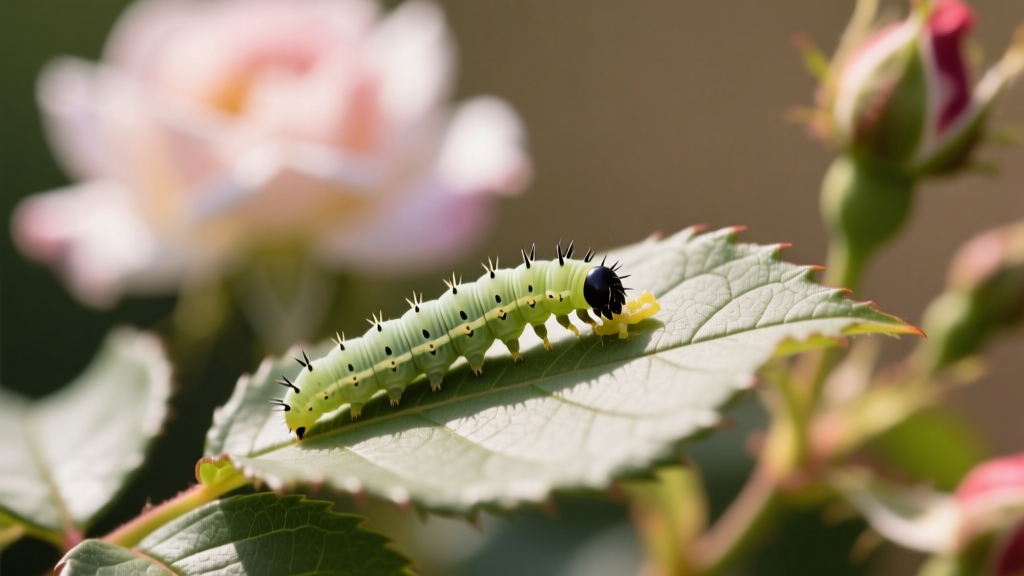
Photographing & Treating Rose Sawfly Larvae: 2026 Guide
Robert HayesPublished
The Intersection of Macro Photography and Pest Management
In the modern era of integrated pest management (IPM), your camera is just as vital as your sprayer. For rose enthusiasts and garden photographers alike, the 2026 gardening season brings a renewed focus on precise pest documentation. One of the most destructive and frequently misidentified pests in the rose garden is the sawfly larva, commonly known as the rose slug. By combining high-resolution macro photography with targeted organic treatments like Spinosad, gardeners can accurately identify infestations, track treatment efficacy, and maintain pristine rose foliage without resorting to broad-spectrum synthetic chemicals.
Documenting pest life cycles through your lens not only improves your diagnostic skills but also creates a valuable visual archive for your garden's health. This guide will walk you through the photographic identification of sawfly larvae, the technical setup for macro pest documentation, and the precise 2026 protocols for applying Spinosad to your roses.
Visual Identification: Sawfly Larvae vs. Caterpillars
To the naked eye, a rose slug looks remarkably like a small green caterpillar. However, through the viewfinder of a macro lens, the anatomical differences become starkly apparent. Sawfly larvae are actually the immature stage of a primitive wasp, not a moth or butterfly. Accurate identification is critical because treatments that work on true caterpillars (like Bacillus thuringiensis or Bt) are completely ineffective against sawflies.
According to the Royal Horticultural Society, rose sawflies cause distinct 'windowpaning' damage, where the larvae graze on the soft upper epidermis of the leaf, leaving the veins and lower epidermis intact. This creates a translucent, skeletonized appearance that is highly photogenic and serves as a primary diagnostic cue.
Lighting and Scale Techniques for Pest Documentation
When photographing these tiny pests, proper lighting and scale are paramount. Use a clip-on macro lens for your smartphone or a dedicated 90mm to 105mm macro lens on your mirrorless camera. Because sawfly larvae are often only 10mm to 15mm long, a 1:1 magnification ratio is ideal.
- Diffused Flash: Use a mini softbox or a DIY diffuser over your ring flash. Harsh direct flash will blow out the highlights on the larvae's naturally glossy, semi-transparent green skin.
- Scale Reference: Always include a small, non-distracting scale reference in the frame. A standard metric ruler placed just behind the focal plane, or a specialized macro color-checker target, provides scientific validity to your documentation.
- Focus Stacking: Due to the incredibly shallow depth of field at 1:1 magnification, use in-camera focus bracketing (available on most 2026 mirrorless models) to capture multiple focal planes and blend them in post-processing for edge-to-edge sharpness.
Diagnostic Comparison Table
| Diagnostic Feature | Sawfly Larvae (Rose Slugs) | True Caterpillars (Lepidoptera) |
|---|---|---|
| Prolegs (Pairs) | 6 or more pairs (visible via macro) | 5 or fewer pairs |
| Body Texture | Glossy, semi-transparent, slimy | Matte, fuzzy, or distinctly segmented |
| Head Capsule | Distinct, often darker than body | Blends more seamlessly with body |
| Foliage Damage | Windowpaning / Skeletonizing | Chewing holes / Edge consumption |
| Reaction to Touch | Thrashing or dropping | Curling into a ball or rearing |
For a deeper entomological breakdown, the University of Minnesota Extension provides excellent resources on distinguishing these larvae based on regional species variations.
The 2026 Spinosad Treatment Protocol for Roses
Once your macro photographs confirm the presence of sawfly larvae, it is time to intervene. Spinosad is a naturally derived insecticide produced by the soil-dwelling bacterium Saccharopolyspora spinosa. It is highly effective against sawflies while remaining relatively safe for beneficial insects once it has dried, making it a cornerstone of organic IPM strategies.
As of 2026, the most accessible and reliable consumer formulation is Captain Jack's Deadbug Brew concentrate, which typically retails between $18 and $22 for a 16-ounce bottle. This concentrate yields dozens of gallons of spray, making it highly cost-effective for large rose gardens.
Step-by-Step Application and Documentation
- Mix the Solution: Combine 2 fluid ounces of Spinosad concentrate per 1 gallon of water in a pump sprayer. Agitate the tank thoroughly to ensure the suspended particles are evenly distributed.
- Photograph the 'Before' State: Select three heavily infested rose bushes. Photograph the windowpaned leaves and the active larvae using your standardized macro setup. Note the date, time, and ambient temperature in your camera's EXIF data or a garden journal.
- Apply at Dusk: Spinosad is highly toxic to bees when wet but safe once dry. To protect pollinators, apply the spray in the late evening. Use a fine mist nozzle to ensure complete coverage of both the upper and lower leaf surfaces, where the larvae feed and hide.
- Clean Your Gear: Wash your sprayer with a mild soap solution immediately after use to prevent residue buildup in the nozzle.
The National Pesticide Information Center offers comprehensive safety data sheets and environmental impact profiles for Spinosad, confirming its suitability for use around pets and humans once the application site is dry.
Creating a Photographic Treatment Timeline
The true value of the garden photography angle lies in tracking the knockdown effect over time. By revisiting the same rose canes with the same camera settings, you can create a compelling time-lapse or side-by-side visual case study of your IPM success.
Day 2: The Knockdown Phase
Return to your marked rose bushes 48 hours after application. Through the macro lens, you will observe that the sawfly larvae have stopped feeding. Spinosad acts on the insect's nervous system, causing paralysis and eventual death. Photograph the larvae; they will often appear darkened, shriveled, or completely detached from the leaf surface. The windowpaning damage will remain, but the active grazing will have ceased.
Day 7: Foliage Recovery and Assessment
At the one-week mark, document the overall health of the rose bush. While the existing skeletonized leaves will not heal, new foliage emerging from the terminal buds should be completely pristine and free of damage. Capture wide-angle shots of the new growth alongside macro shots of the leaf axils to confirm that no secondary hatching has occurred.
Day 14: Monitoring for Secondary Generations
Depending on your climate zone, rose sawflies can produce two to three generations per year. Use your camera to inspect the undersides of new leaves for the tiny, pale green eggs laid in the leaf margins. Early photographic detection of a second generation allows for spot-treatment with Spinosad before a widespread infestation takes hold.
Archiving and Sharing Your IPM Data
In 2026, garden documentation extends beyond personal records. Platforms like iNaturalist and regional university extension citizen-science portals rely heavily on high-quality, geotagged macro photography to track pest migrations and population booms. By uploading your verified images of sawfly larvae and their corresponding Spinosad treatment results, you contribute to a broader ecological database.
Ensure your images are exported with full metadata intact. Include keywords such as Argidae, Spinosad, Rosa, and IPM in your file tagging system. This not only helps you organize your garden archive but also makes your images searchable for other gardeners facing similar pest pressures.
Conclusion: The Visual Gardener's Advantage
Integrating macro photography into your pest control routine transforms a frustrating garden chore into an engaging scientific pursuit. By learning to visually differentiate sawfly larvae from true caterpillars through your lens, you avoid the common mistake of using ineffective treatments. When paired with a targeted, organic Spinosad application protocol, your camera becomes a powerful tool for preserving the health, beauty, and photographic potential of your rose garden for years to come.