Pest Control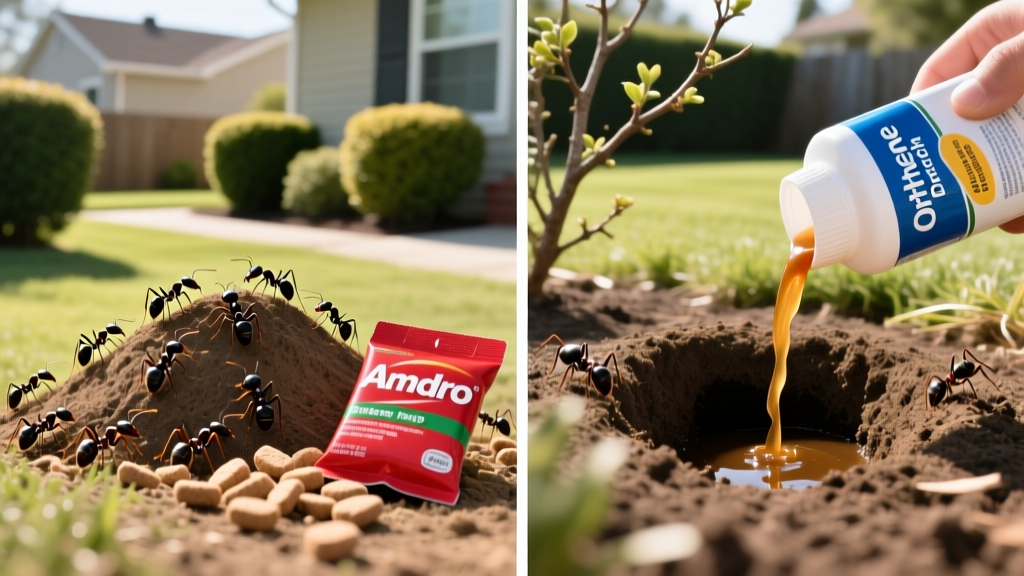
Fire Ant Control 2026: Amdro Bait vs Orthene Drench & Pruning Timing
Sarah ChenPublished
The Intersection of Pruning Methods and Pest Control
When homeowners think of fire ant management, they rarely think of their pruning shears. However, as integrated pest management (IPM) strategies evolve in 2026, landscape professionals and entomologists increasingly recognize that pruning methods and timing play a pivotal role in the success of chemical and organic treatments. The red imported fire ant (Solenopsis invicta) is a sun-loving, thermophilic insect. Its mound-building behavior, foraging patterns, and colony expansion are directly dictated by soil temperature and solar exposure—two factors that you, the homeowner, control through strategic canopy management and shrub pruning.
In this comprehensive 2026 guide, we will explore the critical timing of landscape pruning and how it sets the stage for the two most popular fire ant treatments on the market: Amdro Fire Ant Bait and Ortho Fire Ant Killer (Orthene) Drench. By aligning your horticultural maintenance with targeted pest control, you can eradicate mounds faster and prevent future infestations.
How Canopy Management Alters Fire Ant Microclimates
Fire ants prefer open, sunny areas with moist soil. When landscape beds become overgrown, or when tree canopies are left unpruned for years, the resulting shade cools the soil surface. This forces fire ant colonies to migrate toward the edges of your property, often building massive mounds in the sunny patches of your lawn, near driveways, or around the sun-baked foundations of your home.
By employing canopy thinning and elevation pruning in late winter, you allow sunlight to penetrate the soil in your garden beds. This warms the earth earlier in the spring, encouraging fire ants to build mounds in the mulch beds rather than your high-traffic lawn areas. More importantly, warming the soil stimulates early-season foraging behavior, which is the absolute best time to deploy slow-acting baits like Amdro.
Conversely, basal pruning—the act of clearing low-hanging branches, creeping groundcovers, and dense ivy away from the soil surface—is a mandatory preparation step before applying liquid drenches like Orthene. If foliage intercepts the drench, the active ingredient never reaches the soil, rendering the treatment useless and wasting your money.
Timing Your Pruning and Treatments for Maximum Efficacy
The 2026 IPM calendar relies heavily on the synchronization of pruning schedules and ant biology. Here is how to time your landscape maintenance alongside your pest control applications:
- Late Winter / Early Spring (February - March): Perform heavy structural pruning and canopy thinning. This opens up the landscape, warming the soil. As soil temperatures consistently reach 65°F to 70°F, fire ant workers begin aggressive foraging to support the queen's spring egg-laying cycle. This is the exact window to broadcast Amdro bait.
- Mid-Spring (April - May): Perform basal pruning around ornamental shrubs and clear away winter debris. As the first major mound-building peak occurs, you can spot-treat nuisance mounds near patios and play areas with an Orthene drench.
- Summer (June - August): Maintain clearance around the base of trees and shrubs. Summer heat drives ants deeper into the soil during the day, but they forage at night. Drenches applied to unpruned, shaded mounds will fail because the water evaporates or is caught by dense foliage before penetrating the deep gallery system.
Amdro Bait vs. Orthene Drench: The 2026 Showdown
Choosing between a bait and a drench depends on your immediate goals, the size of your property, and how much landscape prep (pruning) you are willing to do. Below is a detailed comparison of these two industry-standard products.
| Feature | Amdro Fire Ant Bait | Orthene (Ortho) Fire Ant Drench |
|---|---|---|
| Active Ingredient | Hydramethylnon (Slow-acting) | Acephate (Fast-acting) |
| Mode of Action | Stomach poison; disrupts ATP (energy) production | Contact and stomach poison; nervous system disruptor |
| Time to Kill Colony | 1 to 2 weeks | 1 to 3 days |
| Pruning Prep Required | Minimal (broadcast over lawn; clear heavy debris) | High (must prune back all foliage overhanging the mound) |
| Best Application Timing | Early Spring (Post-Pruning foraging peak) | Late Spring/Summer (Targeting active, visible mounds) |
| Cost Efficiency (2026) | High for large yards (covers up to 10,000 sq ft) | Low for large yards; cost-effective for single mounds |
Amdro Fire Ant Bait: The Strategic, Long-Game Approach
Amdro utilizes hydramethylnon, a slow-acting insecticide mixed with a highly attractive corn grit and soybean oil carrier. The genius of this product lies in the ants' own social behavior. Forager ants collect the bait, carry it deep into the mound, and feed it to the larvae and the queen through a process called trophallaxis. Because the poison is slow-acting, the workers do not associate the bait with the death of their colony mates, allowing the toxin to reach the queen before the colony panics.
The Pruning Connection: For Amdro to work, the ants must be actively foraging on the soil surface. If your lawn is choked with thick thatch, or if your garden beds are buried under unpruned, sprawling junipers, the bait will get caught in the vegetation, spoil, or grow mold before the ants find it. By maintaining a clean, pruned landscape floor, you ensure the bait reaches the soil surface where foragers patrol.
According to the Texas A&M Imported Fire Ant Research and Management Project, broadcasting bait in the spring and fall remains the most cost-effective method for managing fire ants across large acreages, provided the bait is applied when ants are actively foraging and no rain is expected for 24 hours.
Orthene Fire Ant Drench: The Rapid-Response Tactical Strike
Orthene (often sold under the Ortho brand for homeowners) uses acephate, an organophosphate that provides rapid knockdown. The drench method involves mixing the powder with water in a watering can and pouring it directly over and around the mound. This floods the colony's tunnels, killing thousands of ants on contact and eradicating the mound in a matter of days.
The Pruning Connection: This is where basal pruning is non-negotiable. If you attempt to drench a mound that is shaded and covered by the low-hanging branches of a holly bush or a sprawling rosemary plant, the acephate-laced water will splash onto the leaves. Not only does this fail to deliver the chemical to the subterranean queen, but it also unnecessarily exposes your ornamental plants to systemic chemical stress. Before mixing your drench, take your pruning shears and aggressively clear a 2-foot radius around the mound, exposing the bare soil. This guarantees the drench penetrates the gallery system.
The Environmental Protection Agency (EPA) advises that when using liquid drenches, homeowners must ensure the chemical is applied directly to the soil to minimize runoff and prevent unintended exposure to non-target foliage and beneficial insects.
The 2026 Two-Step IPM Protocol
To achieve a fire-ant-free yard in 2026, entomologists recommend combining your pruning schedule with the 'Two-Step Method.' Research from UF/IFAS consistently highlights this method as the gold standard for southern landscapes.
- Step 1: Broadcast Bait (Spring/Fall)
After your late-winter structural pruning, broadcast Amdro across the entire lawn and garden beds. This targets the unseen satellite colonies and suppresses the overall population by sterilizing or killing the queens. - Step 2: Prune and Drench Nuisance Mounds (Summer)
Between broadcast applications, monitor high-traffic areas. If a mound pops up near your mailbox, patio, or vegetable garden (where you don't want to wait 2 weeks for bait to work), perform a quick basal pruning around the mound and apply an Orthene drench for immediate relief.
Conclusion
Effective pest control is never just about the chemicals you buy; it is about how you manipulate the environment to make those chemicals work. In 2026, the smartest homeowners recognize that pruning methods and timing are the unsung heroes of fire ant management. By thinning canopies to stimulate early foraging for Amdro baits, and aggressively basal-pruning around mounds to ensure Orthene drenches hit their mark, you take control of the microclimate. Grab your shears, calibrate your spreader, and reclaim your yard from the red imported fire ant.