Pest Control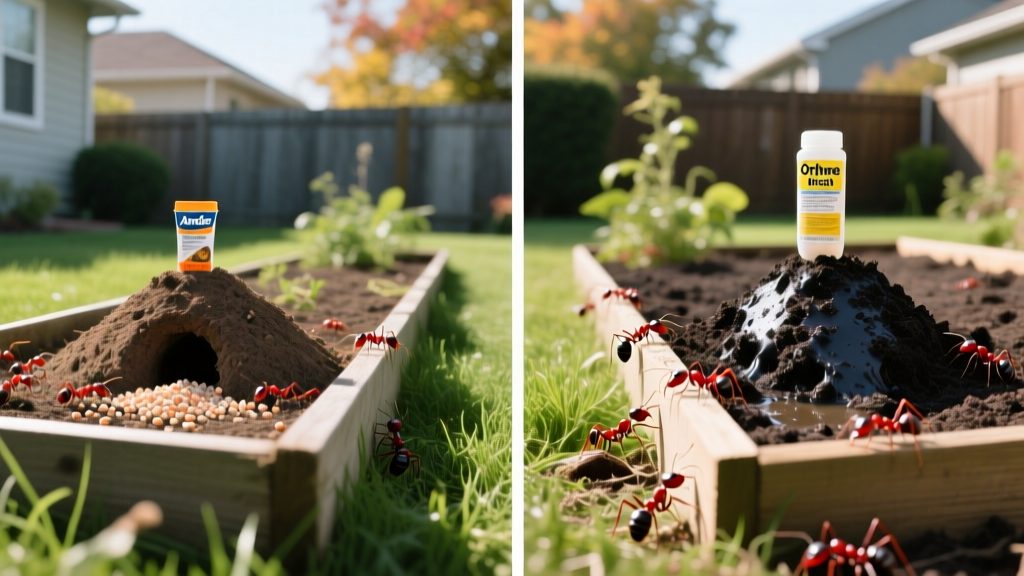
Fire Ant Photo Log: Amdro Bait vs Orthene Drench 2026
Anna KowalskiPublished
The Intersection of Macro Photography and Pest Management
Garden photography in 2026 has evolved far beyond capturing static images of blooming perennials and landscape designs. Today, the most dedicated horticulturists and citizen scientists are using visual documentation to track ecosystem health, including the meticulous logging of pest infestations and their subsequent eradication. When it comes to the aggressive red imported fire ant (Solenopsis invicta), maintaining a photographic field journal is not just an artistic endeavor; it is a highly effective integrated pest management (IPM) strategy. By visually tracking treatment efficacy, gardeners can make data-driven decisions about which chemical or organic interventions actually work in their specific microclimates.
In this comprehensive visual guide, we will explore how to document and compare two of the most popular fire ant treatments on the market: Amdro bait (hydramethylnon) and Orthene drench (acephate). By pairing macro photography techniques with rigorous pest control protocols, you can build a stunning and scientifically valuable archive of your garden's health throughout the 2026 season.
The Science in the Soil: Amdro vs. Orthene
Before setting up your tripod, it is crucial to understand the biological and chemical differences between your two primary subjects. According to the Texas A&M Imported Fire Ant Research and Management Project, these two products operate on entirely different mechanisms of action, which translates to vastly different visual timelines for your camera to capture.
Amdro Fire Ant Bait relies on hydramethylnon, a slow-acting stomach poison. The worker ants forage for the bait, carry it deep into the subterranean galleries, and feed it to the larvae and the queen. Visually, this treatment is a slow-burn documentary. You will not see immediate chaos; instead, you will document a gradual decline in surface foraging over 10 to 14 days.
Orthene Fire Ant Killer utilizes acephate, a fast-acting contact and systemic insecticide. When mixed with water and poured directly over the mound as a drench, it causes immediate neurological disruption. Visually, this is an action-packed, high-drama event. The mound erupts in chaotic surface activity as ants attempt to evacuate the brood, followed by a rapid die-off within hours. However, as noted by Clemson Cooperative Extension, drenches sometimes fail to reach the deepest chambers, potentially leaving the queen alive to rebuild.
Gear and Safety for Mound Documentation
Documenting fire ants requires specialized gear and strict safety protocols. Fire ants are notoriously aggressive, and a disturbed mound can swarm a photographer in seconds. In 2026, modern mirrorless cameras equipped with AI-driven insect eye-tracking and in-camera focus stacking have made macro photography more accessible, but physical safety remains paramount.
- Camera Body & Lens: A weather-sealed mirrorless body paired with a 90mm or 100mm macro lens allows you to maintain a safe working distance of at least 12 to 18 inches from the mound while capturing 1:1 life-size details of the ants' mandibles and foraging behaviors.
- Lighting: Natural sunlight creates harsh shadows in the uneven terrain of a fire ant mound. Use an off-camera wireless flash with a softbox diffuser, or a dedicated macro ring light to illuminate the intricate soil textures and ant trails without blinding your subjects.
- Safety Apparel: Never kneel directly next to a mound. Wear thick leather gaiters, rubber boots, and apply a permethrin-based clothing treatment. Use a heavy-duty tripod with wide-spread legs to position your camera over the mound while you stand safely back with a wireless remote or tethered smartphone app.
Visual Timeline: Documenting Amdro Bait
When documenting Amdro, your photographic narrative is about patience and the hidden social structure of the colony. The application rate is typically 3 to 4 tablespoons scattered gently around the perimeter of the mound—never on top, as disturbing the crust will cause the ants to abandon the foraging trails.
Day 1: The Foraging Trails
Set your camera to a time-lapse mode or shoot hourly macro bursts. Focus on the soil surface 12 inches from the mound. You will capture the scout ants discovering the corn-grit bait particles. Look for the distinct posture of an ant carrying a bait particle back to the subterranean entrance. Use a fast shutter speed (1/250s or higher) with flash sync to freeze the rapid movement of the workers.
Day 4: The Quiet Shift
By day four, your photos will reveal a noticeable reduction in surface patrol ants. The mound's outer crust, usually meticulously maintained, may begin to show signs of neglect. Document the soil texture and the lack of fresh excavation piles.
Day 14: The Collapse
Your final photographic entry for the Amdro log should capture a completely dormant mound. Other beneficial insects, such as ground beetles or scavenging ants, may begin to reclaim the territory. This visual proof of colony death confirms the hydramethylnon successfully reached the queen.
Visual Timeline: Documenting Orthene Drench
Documenting an Orthene drench is an exercise in high-speed photography and capturing acute behavioral responses. You will mix 1 ounce of Orthene per gallon of water and gently pour 1 to 2 gallons over the mound. Warning: Have your camera pre-focused and ready before you pour, as the reaction is instantaneous.
Minute 1: The Eruption
As the water penetrates the soil, the colony's alarm pheromones trigger a mass evacuation. Use continuous high-speed burst mode (20+ frames per second on 2026 camera models). Capture the chaotic streams of workers rushing to the surface, many carrying white larvae and pupae in their mandibles to save the next generation.
Hour 2: The Aftermath
Switch to focus-stacking macro shots. The surface will be littered with deceased and dying ants. The visual evidence here is stark and immediate. However, your photographic log must note a critical caveat: while the surface is clear, the deep galleries may remain untouched.
Day 21: The Rebound (Potential)
A vital part of your IPM photo log is the follow-up. Return to the drenched mound three weeks later. If your macro lens captures fresh, fine soil granules being pushed to the surface, the colony is rebuilding. This visual data proves that while Orthene provides immediate visual satisfaction, it may require a secondary bait treatment for total eradication.
2026 Visual Comparison Chart: Amdro vs. Orthene
Use the following structured data table to organize your photographic field notes and treatment metrics for the 2026 season.
| Metric | Amdro Bait (Hydramethylnon) | Orthene Drench (Acephate) |
|---|---|---|
| Primary Visual Event | Foraging trails, bait retrieval, gradual surface abandonment. | Mass evacuation, brood rescue, rapid surface die-off. |
| Photographic Timeline | 14 to 21 days for complete colony collapse documentation. | 1 to 2 hours for surface eradication; 21 days to check for rebound. |
| Best Camera Technique | Time-lapse, macro focus on individual foraging behaviors. | High-speed burst, action-panning, wide-angle macro for mound chaos. |
| Mound Disturbance | None (preserves natural mound architecture for baseline photos). | High (water volume alters soil structure and collapses upper galleries). |
| 2026 Avg. Cost per Mound | ~$0.35 (based on $12 / 1.5lb bag) | ~$0.85 (based on $15 / 1lb bag + water volume) |
Archiving Your Pest Control Data
The true value of combining garden photography with pest control lies in data organization. The University of Florida IFAS Featured Creatures database highlights how vital localized, seasonal data is for understanding shifting pest behaviors due to changing climate patterns. By embedding GPS coordinates, date, time, and soil temperature metadata into your RAW image files, you create a robust dataset.
Consider using digital asset management (DAM) software to tag your images with keywords like 'IPM', 'Hydramethylnon', 'Acephate', and 'Solenopsis invicta'. Sharing your visual logs with local county extension offices or university entomology departments contributes to the broader scientific understanding of fire ant resilience in 2026. Ultimately, your camera becomes just as powerful a tool in your garden shed as the spreader or the watering can, transforming you from a passive gardener into an active steward of your landscape's ecological balance.