Pest Control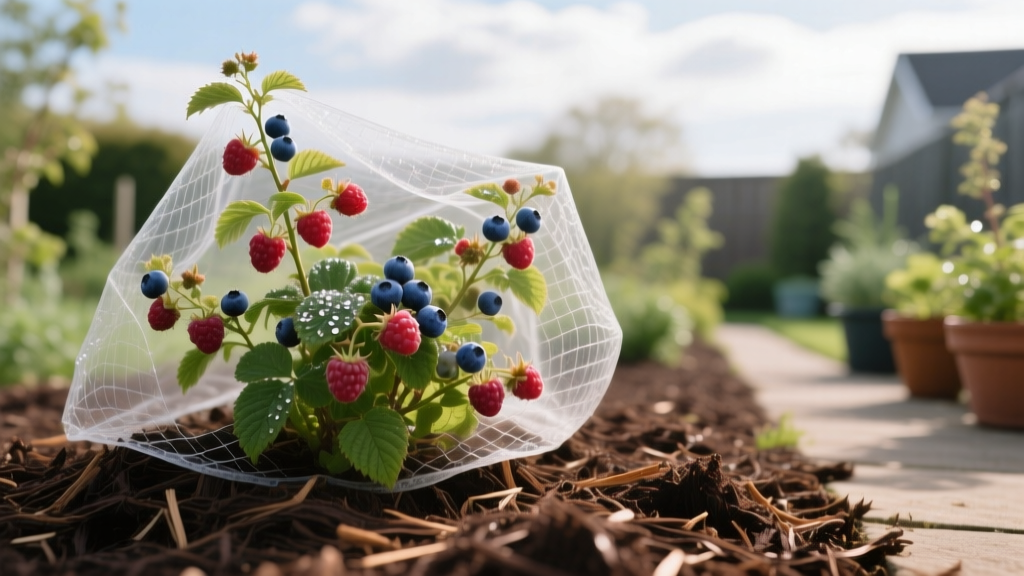
Bird Netting and Mulching for Berry Bushes: 2026 Guide
David ParkPublished
The 2026 IPM Approach to Berry Bush Protection
As we navigate the 2026 growing season, home gardeners and commercial growers alike face an increasingly complex web of garden pests. Climate shifts over the past few years have extended the active feeding periods of several invasive berry pests, making the protection of blueberries, raspberries, and blackberries more challenging than ever. According to the EPA's Integrated Pest Management (IPM) principles, the most effective pest control strategies rely on a combination of biological, cultural, and physical controls rather than relying solely on chemical interventions.
When it comes to protecting your berry harvest, physical barriers like bird netting are the gold standard. However, netting alone is only half the battle. The way you prepare the ground beneath and around your berry bushes—specifically your mulching methods and materials—plays a critical role in the overall success of your pest management strategy. Combining bird netting installation with strategic mulching not only deters avian predators but also creates a hostile environment for insects and rodents that attempt to breach your defenses from below.
Why Mulching is Critical Under Bird Netting
Many gardeners make the mistake of simply draping bird netting over their bushes and weighing down the corners with rocks. This leaves gaps at the base where birds can hop in, become trapped, and destroy the entire crop. It also provides easy access for ground-dwelling pests. Mulching serves three vital functions when paired with bird netting:
- Creating an Airtight Seal: A thick layer of mulch allows you to bury or securely anchor the bottom edges of the netting, eliminating entry points for birds and crawling insects.
- Weed Suppression: Weeds harbored under netting create a humid microclimate that attracts fungal diseases and provides a breeding ground for pests like the Spotted Wing Drosophila (SWD).
- Rodent Deterrence: Certain mulching materials discourage voles and mice from nesting under the protective canopy and chewing through the netting or the berry canes.
Best Mulching Materials for Netted Berry Bushes
Choosing the right mulch in 2026 depends on the specific type of berry you are growing and the primary pests in your region. The University of Minnesota Extension emphasizes that soil pH and moisture retention must be balanced with pest exclusion when selecting mulch for berries. Below is a comparison of the top mulching materials for use beneath bird netting.
| Mulch Material | Best For | Pros for Netted Bushes | Cons & Pest Risks |
|---|---|---|---|
| Pine Needles / Straw | Blueberries | Acidic, lightweight, easy to bury net edges into, excellent drainage. | Can harbor slugs if kept too wet; may blow away before netting is secured. |
| Coarse Wood Chips | Raspberries & Blackberries | Long-lasting, suppresses weeds effectively, deters soft-bodied insects. | Can tie up surface nitrogen; thick layers can hide vole tunnels. |
| Reflective Silver Mulch | Strawberries & Low Bushes | Visually deters birds, repels aphids and thrips, warms soil in early spring. | Non-organic, does not improve soil structure, requires careful disposal. |
| Crushed Gravel | Perimeter Anchoring | Creates an impenetrable barrier against voles and rodents chewing net edges. | Poor moisture retention, difficult to remove, does not add nutrients. |
Step-by-Step Bird Netting and Mulch Installation
To achieve maximum pest exclusion in 2026, follow this step-by-step installation guide that integrates your mulching strategy with your physical barriers.
Step 1: Frame Construction and Base Preparation
Never drape netting directly onto the bush, as birds can peck through the mesh to reach the fruit, and the netting can snag on thorny canes. Build a simple frame using 3/4-inch PVC pipes or untreated wooden stakes. Ensure the frame is at least 18 inches wider than the bush canopy on all sides to allow room for the mulch berm.
Step 2: Strategic Mulch Application
Apply your chosen organic mulch (like pine bark or wood chips) in a 3-to-4-inch layer around the base of the berry bush. Critical IPM Tip: Keep the mulch at least 3 inches away from the direct base of the canes to prevent crown rot and discourage voles from girdling the stems under the cover of the mulch.
Step 3: Draping the Netting
For 2026 pest exclusion, standard 3/4-inch bird netting is no longer sufficient if you live in an area with the Spotted Wing Drosophila. The Penn State Extension recommends using exclusion netting with a mesh size of 1/4-inch (approx. 1mm) to physically block this devastating invasive fruit fly. Drape the UV-stabilized polyethylene netting over your frame, ensuring it reaches the ground on all sides with at least 12 inches of excess material resting on the mulch.
Step 4: Anchoring into the Mulch Berm
This is where the mulch and netting synergy occurs. Dig a shallow 4-inch trench around the perimeter of your frame, just outside the main mulch ring. Place the excess netting into the trench, and backfill it with a heavy mixture of soil and coarse gravel or heavy wood chips. This 'mulch berm' creates a physical seal that wind cannot lift and rodents cannot easily dig under. For added security, use 6-inch galvanized landscape pins to secure the netting directly into the mulch layer before adding the gravel backfill.
Managing Specific Pests: SWD and Rodents
The Spotted Wing Drosophila (SWD) remains a top threat to soft-skinned berries in 2026. Unlike native fruit flies that only attack rotting fruit, SWD females have serrated ovipositors that allow them to lay eggs in healthy, ripening fruit. While 1/4-inch netting provides excellent physical exclusion, the environment under the net must be managed carefully. If weeds are allowed to grow under the net, they increase humidity, which SWD and fungal pathogens like Botrytis thrive in. Maintaining a thick, weed-suppressing layer of wood chip mulch beneath the netting keeps the microclimate dry and inhospitable to these pests.
Rodents, particularly meadow voles, are another major concern. Voles love the protection that bird netting provides from aerial predators like hawks and owls. If they gain access to the interior, they will chew on the berry roots and the netting itself. To combat this, use a 12-inch border of crushed gravel mulch around the outer perimeter of your netting anchor trench. Voles dislike digging through sharp, coarse gravel, and this simple mulching adjustment will drastically reduce rodent breaches.
2026 IPM Pro-Tip: Inspect the interior of your netted berry bushes weekly. Even with perfect mulch anchoring, a single tear in the 1/4-inch mesh can allow hundreds of SWD to enter. Use yellow sticky traps hung inside the netting canopy to monitor for any internal pest breakthroughs.
2026 Material Costs and Sourcing
Budgeting for a complete IPM berry protection setup requires understanding current market prices. In 2026, expect to pay the following for high-quality materials:
- 1/4-Inch UV-Stabilized Exclusion Netting: Approximately $0.45 to $0.65 per square foot. A 15x30 foot sheet (enough for a large backyard raspberry patch) will cost between $200 and $290.
- Bulk Pine Bark Mulch: Prices have stabilized in 2026, averaging $45 to $55 per cubic yard delivered. One cubic yard is sufficient to mulch a 100-square-foot berry bed at a 3-inch depth.
- Galvanized Landscape Pins: A pack of 50 pins costs around $25 and is essential for securing the netting into the mulch before the final gravel backfill.
- 3/4-Inch PVC Piping for Frames: Roughly $1.50 per linear foot at most home improvement centers, making it the most cost-effective framing material for DIY gardeners.
Conclusion
Protecting your berry bushes in 2026 requires more than just throwing a net over the canopy. By viewing bird netting installation through the lens of mulching methods and materials, you create a comprehensive Integrated Pest Management system. The right mulch suppresses the weeds that harbor insects, regulates the soil moisture that attracts fungal gnats, and provides the perfect medium to anchor your netting securely against the earth. Whether you are growing highbush blueberries with pine needles or securing raspberries with wood chips and gravel berms, combining these cultural and physical controls will ensure your harvest makes it to your kitchen, not into the bellies of local pests.