
Landscaping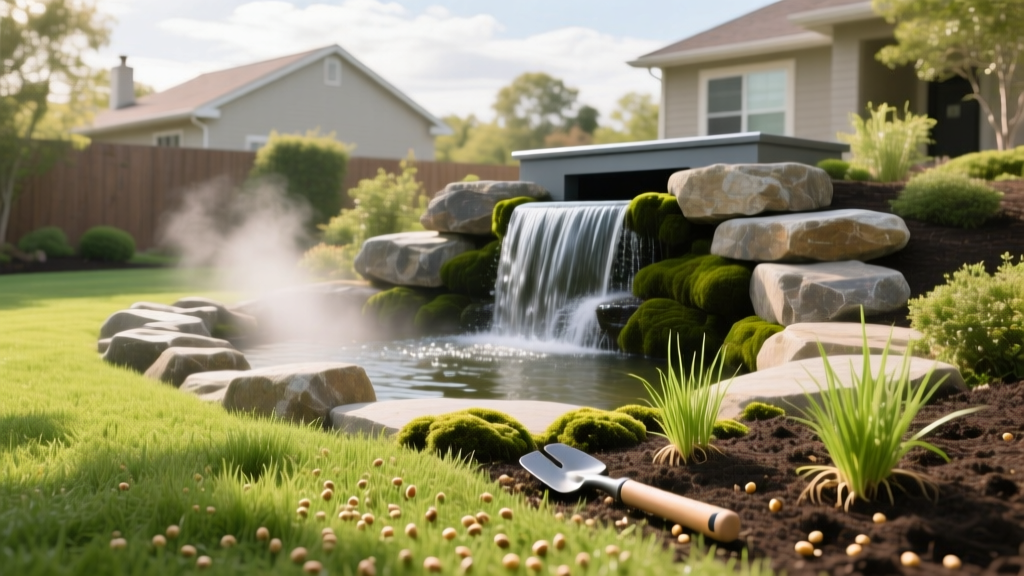
Aquascape Pondless Waterfall: 2026 Lawn Aeration & Seeding Guide
James MillerPublished
The Intersection of Hardscaping and Turf Health
The 2026 landscaping season has seen a massive surge in backyard oasis projects, with the Aquascape Pondless Waterfall kit remaining a top choice for homeowners who want the tranquil sound of running water without the liability and maintenance of a full pond. However, integrating a major water feature into an existing yard presents a unique challenge for turfgrass health. Installing the 2026 Aquascape Pro Series or standard Pondless Waterfall Kit involves heavy lifting, excavating the basin, and moving tons of gravel and boulders. This process inevitably leads to severe soil compaction in the surrounding turf.
To achieve a seamless, natural look where the water feature meets the lawn, a rigorous post-installation core aeration and overseeding protocol is mandatory. As landscaping professionals and DIY enthusiasts know, the heavy machinery and foot traffic required to set the Snorkel Vault and AquaBlox water matrix will crush soil pores, suffocating the roots of your existing grass. This guide details how to restore your soil structure and overseed the perimeter of your new water feature to create a lush, integrated landscape.
Diagnosing Post-Installation Soil Compaction
When contractors or homeowners install a pondless waterfall, the subgrade around the EPDM rubber liner and the pump vault must be heavily tamped down to prevent settling. If the base shifts, the heavy boulders can tear the liner, leading to catastrophic water loss. While this compaction is necessary for the structural integrity of the hardscape, it is devastating to the adjacent lawn.
According to turfgrass experts at Penn State Extension, soil compaction restricts root growth, limits water infiltration, and reduces the oxygen available to soil microbes. Around a newly installed water feature, you will often notice the grass thinning out, turning yellow, or failing to absorb irrigation, leading to runoff that can muddy your pristine waterfall stream. Before you can successfully seed the area, you must alleviate this compaction through mechanical core aeration.
Step 1: Strategic Core Aeration Around the Basin
Core aeration involves using a machine to pull 2-to-3-inch plugs of soil from the ground, creating channels for air, water, and nutrients to reach the root zone. When working around an Aquascape pondless kit, precision is key.
- Equipment Selection: For tight spaces near the waterfall spillway and stream edges, a compact walk-behind core aerator is ideal. Stand-on aerators are excellent for the broader lawn areas but may be too wide to maneuver safely around the delicate boulder placements.
- Protecting the Liner and Vault: Never aerate directly over the hidden EPDM liner or the AquaBlox basin. The tines of the aerator can easily puncture the rubber or damage the structural integrity of the vault lid. Mark the boundaries of the underground basin with landscaping paint before starting.
- Overlapping Passes: Make at least two passes over the compacted installation paths (where wheelbarrows and heavy rocks were dragged), overlapping each pass to ensure maximum soil fracture.
- Leave the Cores: Allow the extracted soil cores to break down naturally over the next two weeks. They will act as a natural topdressing, introducing beneficial microbes back into the thatch layer.
Step 2: Selecting Turfgrass for the Splash Zone
The perimeter of a pondless waterfall creates a unique microclimate. The 'splash zone' near the waterfall drop receives excess moisture, while areas shaded by surrounding boulders or newly planted Japanese maples receive less direct sunlight. Choosing the right 2026 turfgrass cultivars is critical for long-term success.
| Turfgrass Type | Best Use Case Around Water Features | Pros | Cons |
|---|---|---|---|
| Tall Fescue (RTF Varieties) | High-traffic transition zones | Deep root system; excellent wear tolerance; drought resistant | Bunch-type growth requires regular overseeding to fill bare spots |
| Kentucky Bluegrass | Sunny perimeters and outer edges | Rhizomatous growth fills in gaps naturally; lush dark green color | Requires high maintenance; susceptible to fungus in constant moisture |
| Fine Fescue (Creeping Red) | Shaded rock gardens and stream edges | Exceptional shade tolerance; thrives in poor soils; low water needs | Poor wear tolerance; can go dormant in extreme summer heat |
For most residential installations, a blend of Turf-Type Tall Fescue and a touch of Kentucky Bluegrass offers the best balance of durability and aesthetic appeal, ensuring the grass can handle occasional foot traffic when guests approach the water feature.
Step 3: Overseeding and Topdressing Techniques
Once the soil is aerated, overseeding will introduce new, vigorous grass plants into the damaged areas. The University of Minnesota Extension recommends overseeding during the cool seasons of early fall or spring when soil temperatures are optimal for germination.
- Mow Low: Scalp the existing lawn around the water feature to a height of 1.5 inches. This ensures the new seed makes direct contact with the soil rather than getting trapped in the thatch.
- Apply Seed: Use a broadcast spreader for open areas and a handheld spreader for tight corners near the stream. Apply Tall Fescue at a rate of 6 to 8 pounds per 1,000 square feet for overseeding.
- Topdress with Compost: Apply a thin layer (about 1/4 inch) of finely screened organic compost over the seeded areas. This retains moisture and protects the seed from birds. Crucial Warning: Keep compost and topsoil away from the Aquascape gravel bed. Organic matter washing into the gravel can clog the pump intake and promote algae growth in the water vault.
- Starter Fertilizer: Apply a high-phosphorus starter fertilizer to encourage rapid root development. Never use a fertilizer containing pre-emergent crabgrass preventer, as it will stop your new grass seed from germinating.
Irrigation Challenges: Germination vs. Basin Overflow
Watering newly seeded grass requires keeping the top inch of soil consistently moist, which usually means watering 2 to 3 times a day for short intervals. However, doing this near a pondless waterfall presents a logistical challenge. If your sprinkler heads are poorly adjusted, excess water will flood into the waterfall stream, diluting the beneficial bacteria in the Aquascape vault and potentially causing the basin to overflow during heavy rain events.
To solve this, utilize oscillating sprinklers with adjustable width settings, or install temporary drip irrigation lines along the turf perimeter. This targeted approach ensures the seed receives the moisture it needs without compromising the water chemistry or structural integrity of your hardscape.
2026 Cost and Material Breakdown
Restoring the lawn after a major hardscaping project is an investment in your property's curb appeal. Below is an estimated cost breakdown for a standard 500-square-foot restoration zone surrounding a medium-sized pondless waterfall installation in 2026.
| Material / Service | Estimated 2026 Cost | Notes |
|---|---|---|
| Walk-Behind Aerator Rental (4 hours) | $85 - $120 | Local equipment rental yards; book early in fall/spring |
| Premium Tall Fescue Blend (25 lbs) | $110 - $140 | Look for 2026 certified weed-free cultivars |
| Screened Organic Compost (1 cubic yard) | $45 - $65 | Delivery fees may apply; ensure it is finely screened |
| Starter Fertilizer (Bag covering 5k sq ft) | $35 - $50 | High phosphorus content (e.g., 10-18-10) |
Conclusion
An Aquascape Pondless Waterfall kit is a stunning addition to any landscape, but the heavy construction required to install it can leave your surrounding lawn looking battered and compacted. By treating the installation process as a two-part project—first the hardscape, then the turf restoration—you ensure a flawless final result. Core aeration relieves the crushing weight of construction traffic, while strategic overseeding with moisture-tolerant cultivars blends the water feature seamlessly into the natural environment. Follow these 2026 best practices, and your backyard oasis will boast both the soothing sounds of water and a pristine, carpet-like lawn.
For more information on sustainable landscaping and water conservation around your yard, consider reviewing guidelines from the EPA's WaterSense program, which offers excellent tips on balancing water features with efficient turf irrigation.

