
Landscaping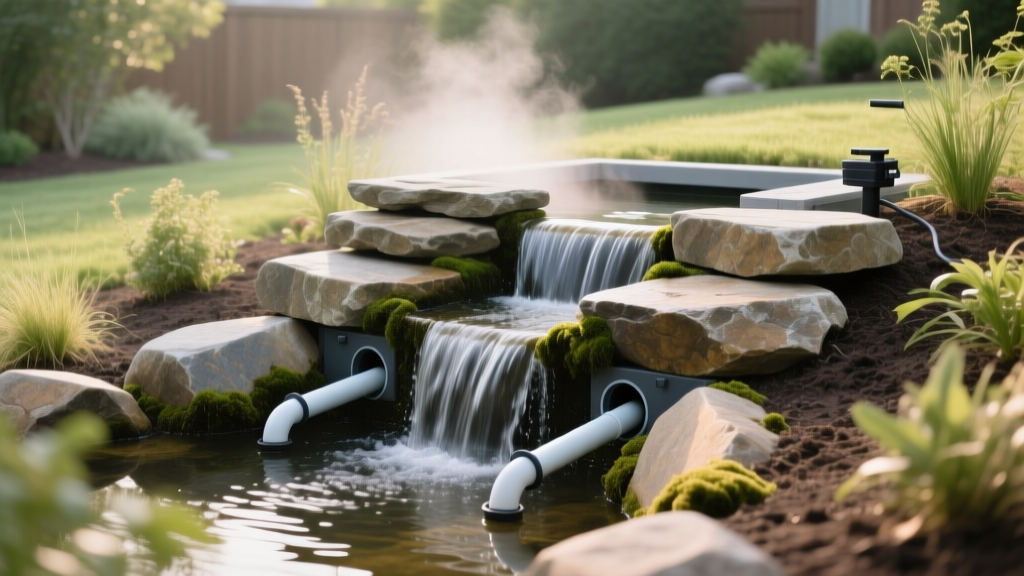
Aquascape Pondless Waterfall & Core Aeration Guide 2026
Anna KowalskiPublished
The Intersection of Hardscaping and Turf Health in 2026
When homeowners and landscape architects envision a tranquil backyard oasis, the focus is often entirely on the visual centerpiece: the cascading water, the natural basalt columns, and the lush surrounding plantings. However, as we move through 2026, the most successful landscaping projects are those that recognize the unseen foundation of the yard—the soil structure. Installing a heavy, high-traffic hardscape feature like the Aquascape Pondless Waterfall Kit inherently disrupts the surrounding earth. Heavy foot traffic, the movement of tons of gravel, and the excavation of deep basin vaults lead to severe soil compaction. If left unaddressed, this compaction creates drainage nightmares, suffocates the roots of adjacent turfgrass, and causes the pristine lawn bordering your new water feature to wither and die.
This is where the strategic integration of core aeration becomes the secret weapon of elite landscape contractors. By pairing the installation of an Aquascape pondless waterfall with a targeted core aeration and topdressing protocol, you ensure that your water feature is seamlessly integrated into a healthy, thriving, and well-draining landscape. This comprehensive 2026 guide will walk you through the technical installation of the Aquascape system while utilizing core aeration to protect and enhance your surrounding turf.
Why Core Aeration is Critical for Water Feature Installations
Soil compaction is the silent killer of lawn health. When you install a pondless waterfall, you are often digging down 3 to 4 feet to accommodate the Snorkel Vault and Centipede Modules. The excavated subsoil is frequently heavy and clay-dense. If this soil is inadvertently spread or tracked over the adjacent lawn, or if the heavy equipment and materials compress the topsoil, the pore space required for water, oxygen, and nutrient infiltration is destroyed.
According to turfgrass experts at the Penn State Extension, core aeration is the most effective mechanical method for alleviating soil compaction. The process involves extracting 2-to-3-inch plugs of soil and thatch, creating channels that allow the surrounding earth to breathe and expand. When installed near a pondless waterfall, these aeration channels serve a dual purpose: they relieve compaction from construction traffic and provide secondary micro-drainage pathways that prevent surface water from pooling around the hardscape borders. In 2026, integrating aeration into the hardscaping phase is considered a best practice for sustainable landscape architecture.
Aquascape Pondless Waterfall Kit: 2026 Components Overview
The Aquascape Pondless Waterfall system remains the industry standard in 2026 for homeowners seeking the sound and sight of moving water without the liability, maintenance, or safety concerns of a full pond. The modern kits are engineered for efficiency and ecological balance. Key components include:
- Snorkel Vault & Centipede Modules: These replace the old gravel-only basins, providing massive water storage capacity (up to 50 gallons per module) while allowing easy access to the pump for maintenance.
- High-Efficiency Solids-Handling Pumps: The 2026 lineup features energy-efficient asynchronous motors that can handle minor debris without clogging, reducing wattage consumption by up to 30% compared to older models.
- Auto-Dose Valve: A crucial 2026 addition for drought-prone regions. This mechanical valve automatically tops off the basin as water evaporates, ensuring the pump never runs dry and maintaining optimal flow rates.
- EPDM Liner & Underlayment: Puncture-resistant 45-mil EPDM rubber ensures the basin remains watertight, preventing localized soil saturation that could otherwise rot nearby tree roots.
Step-by-Step Installation and Aeration Strategy
To achieve a flawless integration of water and turf, follow this sequential installation and aeration protocol.
Step 1: Site Prep, Utility Mapping, and Excavation
Begin by mapping out the stream and basin footprint. Always call your local utility marking service before digging. Excavate the basin area to the required depth (typically 36 inches for a standard medium kit). As you excavate, remove the heavy clay subsoil entirely from the site. Do not use excavated clay to grade the surrounding lawn, as this will create an impermeable layer that blocks drainage.
Step 2: Core Aeration of the Surrounding Turf
Before laying down the EPDM liner or bringing in heavy gravel, rent a stand-on or tow-behind core aerator. Aerate the entire lawn area immediately surrounding the installation zone, extending at least 10 feet outward from the hardscape border.
- Timing: For cool-season grasses (Fescue, Kentucky Bluegrass), aerate in early fall or early spring. For warm-season grasses (Bermuda, Zoysia), aerate in late spring to early summer.
- Moisture Level: Water the lawn deeply 24 hours before aerating to ensure the tines can penetrate 3 inches deep and pull clean, intact plugs.
Step 3: Basin Assembly and Liner Installation
Place the Snorkel Vault and Centipede Modules into the excavated hole. Ensure the vault is perfectly level. Line the excavation with geotextile underlayment, followed by the 45-mil EPDM liner. Extend the liner at least 2 feet beyond the stream and basin edges to create a secure anchor trench. This overhang is critical for preventing capillary action from wicking water out of the basin and into your aerated lawn soil.
Step 4: Plumbing, Pump Vault, and Auto-Dose Setup
Install the solids-handling pump inside the Snorkel Vault. Run the flexible PVC piping up to the waterfall spillway. If you are utilizing the Aquascape Auto-Dose Valve, connect it to a dedicated drip-irrigation line or a slow-flow hose bib. This ensures that evaporation is countered automatically, a vital feature for maintaining the aesthetic and acoustic consistency of the waterfall during the peak heat of summer.
Step 5: Hardscaping, Aeration Topdressing, and Border Integration
Place your basalt columns, boulders, and stream gravel. Once the hardscaping is complete and the liner is securely anchored and trimmed, it is time to address the aeration plugs. Instead of letting them dissolve slowly, use a drag mat or a stiff broom to break the plugs apart. Then, apply a 1/4-inch layer of premium topdressing mix (a blend of fine sand and compost) over the aerated lawn. The sand will filter down into the aeration holes, permanently improving the soil structure and drainage capacity right up to the edge of your new waterfall.
2026 Cost and Material Breakdown
Budgeting for a combined hardscape and turf-restoration project requires an understanding of current material and rental costs. Below is a 2026 estimate for a standard residential installation.
| Component / Service | 2026 Estimated Cost | Purpose |
|---|---|---|
| Aquascape Small Pondless Kit (Up to 8' Stream) | $1,299 - $1,450 | Basin vault, pump, modules, plumbing |
| Aquascape Medium Pondless Kit (Up to 16' Stream) | $1,899 - $2,150 | Larger vault, extra matrix, higher GPH pump |
| Basalt Columns & Decorative Stream Gravel | $400 - $850 | Hardscape aesthetic & water dispersion |
| Stand-on Core Aerator Rental (1 Day) | $150 - $225 | Relieving hardscape-border compaction |
| Premium Topdressing Sand/Compost Mix | $120 - $180 | Filling aeration plugs, leveling turf borders |
| Professional Installation Labor (Optional) | $1,800 - $3,500 | Full excavation, plumbing, and turf restoration |
Sustainable Water Management and Soil Health
The integration of a pondless waterfall with core aeration aligns perfectly with modern sustainable landscaping principles. The EPA WaterSense program highlights that outdoor water use accounts for nearly 30% of total household consumption, a figure that can spike when homeowners attempt to maintain stressed, compacted lawns adjacent to water features. By aerating the soil and improving its water-holding capacity, you reduce the need for supplemental irrigation in the surrounding turf zones.
Furthermore, the EPA Green Infrastructure initiative advocates for managing stormwater at its source. A lawn that has been core-aerated and top-dressed with sand acts as a natural sponge, absorbing incidental splash-out from the waterfall and reducing localized runoff. The pondless system itself is highly water-efficient; because the water is stored in a dark, underground basin, evaporation rates are drastically lower than those of traditional open-surface ponds. When paired with the 2026 Auto-Dose valve, the system operates in a near-closed loop, requiring only minimal top-offs to replace natural evaporation.
Conclusion
Installing an Aquascape Pondless Waterfall Kit is a transformative landscaping project that brings the soothing sights and sounds of nature directly to your backyard. However, the true mark of a professional-grade installation lies in how the hardscape interacts with the living landscape. By proactively employing core aeration to combat construction-induced soil compaction, you protect your turf investment, enhance local drainage, and create a seamless, thriving transition between your cascading waterfall and your lush green lawn. As landscaping standards continue to evolve in 2026, embracing these holistic soil-and-water management techniques will ensure your outdoor oasis remains beautiful, sustainable, and structurally sound for decades to come.

