
Landscaping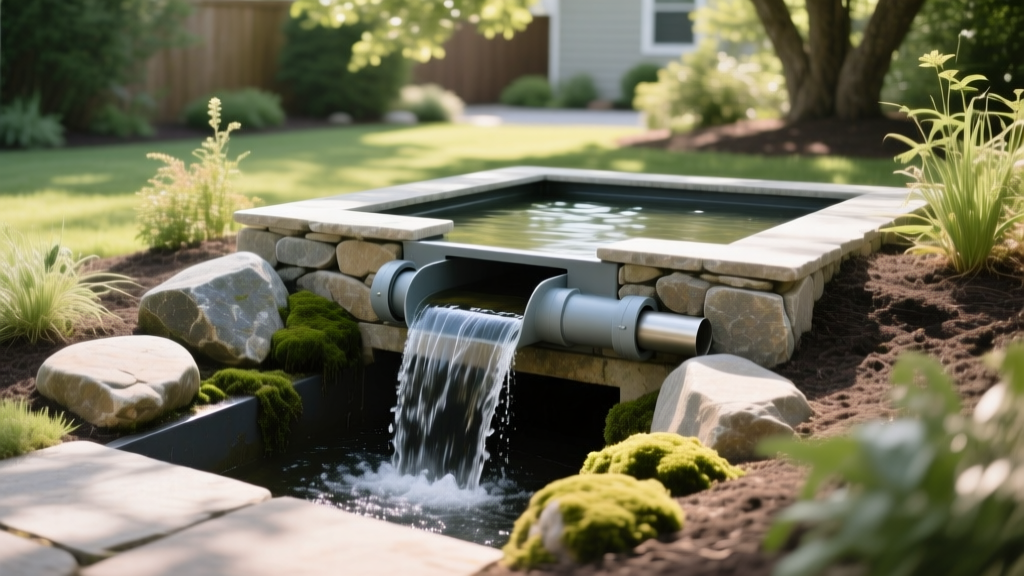
Aquascape Pondless Waterfall & Drainage Pipe Guide 2026
Robert HayesPublished
The Intersection of Water Features and Landscape Drainage
As we navigate the landscaping trends of 2026, the integration of aesthetic water features with functional yard drainage systems has become a hallmark of professional outdoor design. The Aquascape Pondless Waterfall kit remains an industry favorite for homeowners who desire the soothing sound of moving water without the maintenance, safety concerns, or spatial footprint of a traditional pond. However, a common pitfall for DIYers and novice landscapers is ignoring the hydrology of the surrounding yard. A pondless waterfall relies on a hidden underground basin—such as the 2026 AquaBasin 45 or 60—to store hundreds of gallons of water. During heavy rainfall, this basin can easily overflow, leading to soil erosion, mulch washouts, and compromised hardscaping.
This is where the strategic use of landscape drainage pipes becomes critical. By treating your water feature not just as an isolated ornament, but as a node in your property's broader water management network, you can protect your investment and improve your yard's overall health. In this comprehensive guide, we will explore how to install an Aquascape pondless waterfall while expertly routing corrugated landscape drainage pipes to manage overflow, integrate with French drains, and direct excess stormwater to safe discharge zones.
Why Overflow Management Matters in 2026
Modern landscaping emphasizes sustainability and stormwater management. According to the EPA's Green Infrastructure program, managing runoff at the source through features like rain gardens and permeable catchments is vital for reducing the burden on municipal sewer systems and preventing local waterway pollution. When your pondless basin overflows, that water has to go somewhere. If it pools against your home's foundation or washes out your carefully graded garden beds, it creates expensive structural and aesthetic problems.
By attaching a 4-inch corrugated landscape drainage pipe to the basin's overflow port, you can safely channel excess rainwater away from the feature. This pipe can be daylighted at a lower elevation, routed into a dry well, or directed into a bioswale or rain garden, turning a potential landscaping hazard into an eco-friendly irrigation source.
Selecting the Right Pipes for Your Installation
Not all pipes are created equal. When installing a pondless waterfall, you will be working with two distinct types of plumbing: the pressurized water line that moves water from the pump to the spillway, and the gravity-fed landscape drainage pipe that handles overflow and yard runoff. Below is a comparison of the pipe materials you will encounter in 2026.
| Pipe Type | Best Use Case | Pros | Cons |
|---|---|---|---|
| Corrugated HDPE Drainage Pipe (4-inch) | Basin overflow routing, French drains, yard runoff management | Highly flexible, inexpensive, crush-resistant when buried, easy to trench | Not for pressurized water, ridges can trap silt if not wrapped in fabric |
| Flexible Kink-Free PVC (1.5 to 2-inch) | Main pump plumbing from basin to waterfall spillway | Handles high pressure, smooth interior prevents algae buildup, bends easily | More expensive per foot, requires specific PVC glue and fittings |
| Schedule 40 Rigid PVC | Long-distance pressurized runs, under heavy load-bearing pavers | Extremely durable, smooth flow, standard fittings available everywhere | Rigid (requires many elbows for turns), difficult to retrofit or adjust later |
Step-by-Step Installation: Basin, Plumbing, and Drainage
Step 1: Site Selection and Soil Percolation Testing
Before breaking ground, you must understand your soil's drainage capacity. Digging a massive basin and drainage trench in heavy, non-percolating clay can create a perpetual mud pit. Utilize the USDA Web Soil Survey to identify your native soil type and percolation rates. If your soil drains poorly, you will need to extend your landscape drainage pipe further to a reliable daylight point or install a larger gravel dry well to accommodate the overflow.
Step 2: Excavation and Base Preparation
Excavate the hole for your AquaBasin, ensuring it is slightly wider than the basin itself and deep enough so the lid sits flush with or slightly above the final grade. This prevents surface runoff from muddy garden beds from contaminating your clean waterfall water. Create a level base using compacted gravel or a layer of coarse sand. An unlevel basin will cause water to pool on one side, triggering premature overflow.
Step 3: Routing the Overflow Landscape Drainage Pipe
This is the most crucial step for long-term yard health. Locate the overflow port on the side of the Aquascape basin. Attach a 4-inch corrugated landscape drainage pipe using a watertight rubber coupling or specialized basin fitting. Pro Tip: Wrap the corrugated pipe in non-woven geotextile landscape fabric before backfilling. This prevents fine soil and silt from entering the pipe's corrugations, which can cause clogs over time. Trench the drainage pipe away from the basin with a minimum slope of 1/8 inch per foot (a 1% grade) to ensure gravity pulls the water efficiently toward your designated discharge zone.
Step 4: Plumbing the Pump to the Spillway
While the drainage pipe handles gravity-fed overflow, your pump requires pressurized plumbing. Attach flexible kink-free PVC to your Mag-Drive or solid-handling pump. Run this pipe up and over the basin wall, then trench it alongside your stream and waterfall course. Keep the pressurized PVC and the corrugated drainage pipe in separate trenches if possible, or separate them by a few inches of gravel to prevent the rigid fittings from rubbing against the flexible drainage pipe during soil settlement.
Step 5: Backfilling, Rock Placement, and Grading
Once the pipes are laid and tested, backfill around the basin with clean, washed gravel. Avoid using dirt or clay, as these will compact and restrict the basin's structural support. Place your decorative boulders and gravel over the basin lid, ensuring the overflow drainage pipe exit remains completely unobstructed by heavy rocks or dense plantings.
Designing the Overflow Drainage Pipe Route
Where should your 4-inch landscape drainage pipe terminate? In 2026, best practices dictate that we avoid simply dumping excess water onto our neighbor's property or into municipal storm drains, which often carry heavy fines. Instead, consider these sustainable termination points:
- The Rain Garden: Route the corrugated pipe into a shallow depression planted with moisture-loving native species like Joe-Pye Weed, Swamp Milkweed, or Blue Flag Iris. The plants will filter and absorb the overflow.
- The Dry Well: If you lack the space for a rain garden, bury a perforated plastic dry well crate wrapped in landscape fabric at the end of the drainage pipe. This allows the overflow to slowly percolate back into the water table.
- Daylighting: If your property has a significant slope, simply run the landscape drainage pipe until it naturally emerges above ground (daylighting) in a heavily mulched area or rocky swale where the water can safely dissipate without causing erosion.
2026 Material Costs and Budgeting
Budgeting accurately is essential for a seamless installation. Below is an estimated cost breakdown for a standard mid-sized pondless waterfall integrated with a 30-foot landscape drainage pipe overflow system, based on 2026 average retail pricing.
| Material / Component | Estimated 2026 Cost | Notes |
|---|---|---|
| Aquascape Pondless Kit (AquaBasin 45, Pump, Spillway) | $1,150 - $1,400 | Includes basin, lid, vault, and high-efficiency pump |
| 4-Inch Corrugated Drainage Pipe (50 ft roll) | $65 - $85 | Used for overflow and yard drainage integration |
| Flexible Kink-Free PVC (25 ft) | $75 - $95 | Pressurized plumbing from pump to spillway |
| Non-Woven Geotextile Fabric (Roll) | $45 - $60 | Essential for wrapping drainage pipes and basin |
| Washed Gravel & Decorative Boulders | $250 - $500 | Varies heavily by local stone availability |
| PVC Fittings, Couplings, and Glue | $40 - $60 | Adapters, elbows, and watertight seals |
Winterization and Long-Term Maintenance
Maintaining a pondless waterfall with an integrated drainage system requires seasonal attention, particularly in freezing climates. As winter approaches in late 2026, you must winterize both the water feature and the drainage pipes.
First, remove the pump, clean the impeller, and store it indoors in a bucket of water to keep the seals from drying out. Next, address the landscape drainage pipe. Because corrugated pipes hold small amounts of residual water in their ridges, freezing and thawing cycles can cause the pipe to become brittle and crack over several years. To prevent this, use a wet-dry vacuum or a leaf blower to purge standing water from the overflow drainage line before the first deep freeze. Finally, ensure that the basin lid is clear of heavy autumn leaf litter, which can decompose, block the overflow port, and force water to pool on the surface of your hardscaping.
Conclusion
Installing an Aquascape pondless waterfall is a fantastic way to elevate your outdoor living space, but true landscaping mastery lies in what happens beneath the surface. By thoughtfully integrating 4-inch corrugated landscape drainage pipes into your basin's overflow system, you protect your hardscaping, prevent soil erosion, and contribute to a healthier local watershed. Whether you are routing water to a vibrant rain garden or a subterranean dry well, mastering the flow of water in your yard ensures your waterfall remains a source of tranquility, not a catalyst for landscape disaster, for decades to come.

