
Landscaping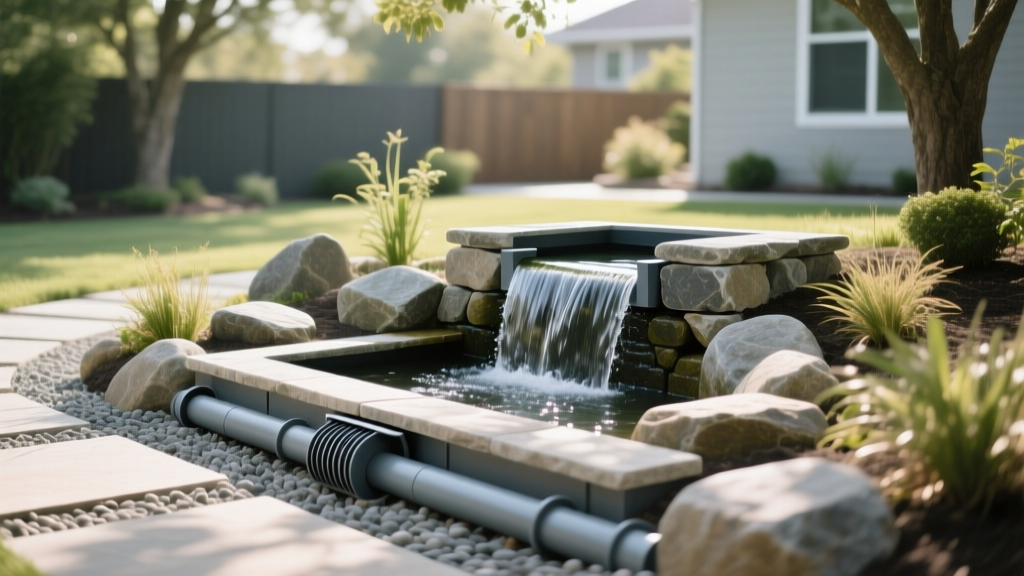
2026 Aquascape Pondless Waterfall French Drain Install
David ParkPublished
The Hidden Threat to Your Pondless Water Feature
When homeowners envision a stunning backyard oasis, they rarely think about what lies beneath the soil. In 2026, the landscaping industry continues to see a massive surge in the popularity of the Aquascape Pondless Waterfall Kit. It offers the tranquil sound of moving water without the maintenance, safety liabilities, or ecological footprint of a traditional pond. However, as professional landscapers and drainage experts know, a pondless waterfall basin is essentially a large, hollow vessel buried in the earth. If your yard suffers from a high water table, heavy clay soil, or aggressive surface runoff, that basin is at severe risk.
Groundwater and hydrostatic pressure can cause the buried basin to literally float, shift out of level, or fill with silt, leading to catastrophic pump failure. This is where the art of water feature installation meets the critical science of French drain installation. By integrating a perimeter and sub-grade French drain system into your Aquascape pondless waterfall project, you protect your investment from the destructive forces of subsurface water. This comprehensive 2026 guide will walk you through combining these two essential landscaping techniques to ensure your water feature remains pristine for decades.
Why Integrate a French Drain with a Pondless Kit?
A French drain is a gently sloped trench filled with clean gravel and a perforated pipe designed to redirect surface water and groundwater away from a specific area. When installing an Aquascape Pondless Waterfall Kit, the basin (such as the popular AquaBasin 45) occupies a significant volume of soil. During heavy spring thaws or intense summer micro-bursts, the surrounding soil becomes saturated. According to groundwater science principles documented by the USGS, water in saturated soil exerts immense hydrostatic pressure. If the basin is not surrounded by a drainage matrix, this pressure will push against the walls and floor of the basin.
Furthermore, surface runoff carrying topsoil and mulch can easily wash into the decorative gravel surrounding your waterfall spillway, eventually clogging the pump vault and degrading water quality. A properly installed French drain acts as a defensive moat, intercepting both subsurface groundwater and surface runoff before it can compromise the structural integrity of your water feature.
2026 Materials and Cost Breakdown
Landscaping material costs have stabilized in 2026, but sourcing the correct components is vital. Never use pea gravel for a French drain, as it compacts and reduces water flow. Always opt for 3/4-inch washed clean stone. Below is a projected materials list and cost estimate for a standard residential installation combining an Aquascape Pondless Waterfall Kit with a 30-foot perimeter French drain.
| Material / Component | Description / Specification | Est. 2026 Cost |
|---|---|---|
| Aquascape Pondless Kit | Includes AquaBasin 45, UltraMag 9 Pump, Spillway, and Plumbing | $1,150.00 |
| Drainage Pipe | 4-inch Corrugated Perforated Pipe (30 ft) | $45.00 |
| Landscape Fabric | Heavy-duty non-woven geotextile fabric (50 sq ft) | $35.00 |
| Drainage Gravel | 3/4-inch Washed Clean Stone (1 cubic yard) | $85.00 |
| Decorative Gravel | Aquascape Pondless Gravel Kit (River rock mix) | $120.00 |
| Basin Leveling Sand | Coarse mason sand for sub-base stabilization | $25.00 |
| Total Estimated Cost | Excluding labor and heavy machinery rentals | $1,460.00 |
Step-by-Step Installation Guide
Step 1: Site Selection and Utility Marking
Before breaking ground, select a site that naturally benefits from a slight slope, which aids in both the waterfall's visual cascade and the French drain's gravity-fed discharge. Crucially, you must call your local utility locating service (such as 811 in the United States) at least 48 hours before excavation. Striking a buried gas or fiber-optic line while digging a drain trench is a disastrous and dangerous mistake.
Step 2: Excavating the Basin and Drain Trench
Excavate the hole for the AquaBasin 45 according to the manufacturer's 2026 specifications, typically requiring a hole roughly 30 inches deep and 40 inches wide. Next, map out your French drain trench. The trench should wrap around the uphill side of the basin in a U-shape or a full perimeter loop, depending on your yard's topography. The trench must be dug to a depth of 12 to 18 inches, maintaining a consistent downward slope of 1% (a 1-inch drop for every 8 feet of pipe) toward your designated discharge area, such as a dry well, storm drain, or daylighted slope.
Step 3: Laying the French Drain Matrix
Line the excavated trench with heavy-duty non-woven geotextile landscape fabric. Ensure you have enough excess fabric hanging over the edges to wrap over the top of the gravel later. Place a 2-inch base layer of 3/4-inch washed clean stone at the bottom of the trench. Lay the 4-inch perforated corrugated pipe on top of this base layer, ensuring the perforations face downward. This allows water wicking up from the water table to enter the pipe efficiently. Cover the pipe with more washed stone until the trench is filled to within 2 inches of the surface grade.
Step 4: Sub-Base Preparation and Basin Placement
Inside the main basin excavation hole, lay down a 2-inch layer of coarse mason sand or stone dust. Use a long level and a tamper to create a perfectly flat, stable sub-base. This prevents the AquaBasin from settling unevenly over time. Lower the AquaBasin into the hole. Connect the perforated pipe from your French drain to a solid pipe adapter if you need to route the discharge away from the immediate basin area, ensuring the drain matrix sits slightly higher than the basin floor so water naturally flows away from the vault.
Step 5: Plumbing, Rock Placement, and Backfilling
Install the UltraMag pump inside the basin vault and route the flexible PVC tubing up to the waterfall spillway. Backfill the sides of the basin with the same 3/4-inch washed clean stone used in the French drain. This creates a unified drainage envelope around the entire structure. Fold the excess landscape fabric from the trench over the backfill gravel, then cover with topsoil or sod. Finally, arrange your waterfall boulders, apply Aquascape Waterfall Foam Sealant to direct water flow, and top the basin with the decorative river rock gravel kit.
Managing Surface Runoff and Eco-Friendly Landscaping
In 2026, sustainable landscaping is not just a trend; it is a regulatory and ecological necessity. Integrating a French drain with your water feature aligns perfectly with modern stormwater management practices. According to the EPA WaterSense and stormwater guidelines, capturing and redirecting runoff prevents soil erosion and keeps pollutants out of local watersheds. By daylighting your French drain into a rain garden or a permeable dry creek bed situated downstream from your waterfall, you create a closed-loop aesthetic that manages both the water feature's overflow and the yard's natural precipitation.
Winterizing and Maintenance for 2026 Climates
As weather patterns continue to shift, with freeze-thaw cycles becoming more erratic in many regions, winterizing your combined system is critical. In late autumn, remove the pump from the AquaBasin, drain the plumbing lines, and store the pump indoors to prevent ice damage. The French drain requires minimal maintenance, but you should inspect the discharge outlet annually to ensure it has not become clogged with leaves, ice, or burrowing rodents. If the decorative gravel atop the basin becomes compacted with debris, use a stiff bristle broom or a leaf blower to clear it, ensuring surface water can easily penetrate the rock and reach the basin or the surrounding drain matrix.
Conclusion
Installing an Aquascape Pondless Waterfall Kit is a transformative landscaping project that elevates any outdoor living space. However, viewing the installation solely as a decorative endeavor ignores the hydrological realities of your soil. By approaching your water feature installation from a French drain perspective, you engineer a resilient, self-protecting system that guards against hydrostatic pressure, soil erosion, and pump failure. Follow these 2026 best practices, and your pondless waterfall will remain a pristine, low-maintenance sanctuary for years to come.

