
Landscaping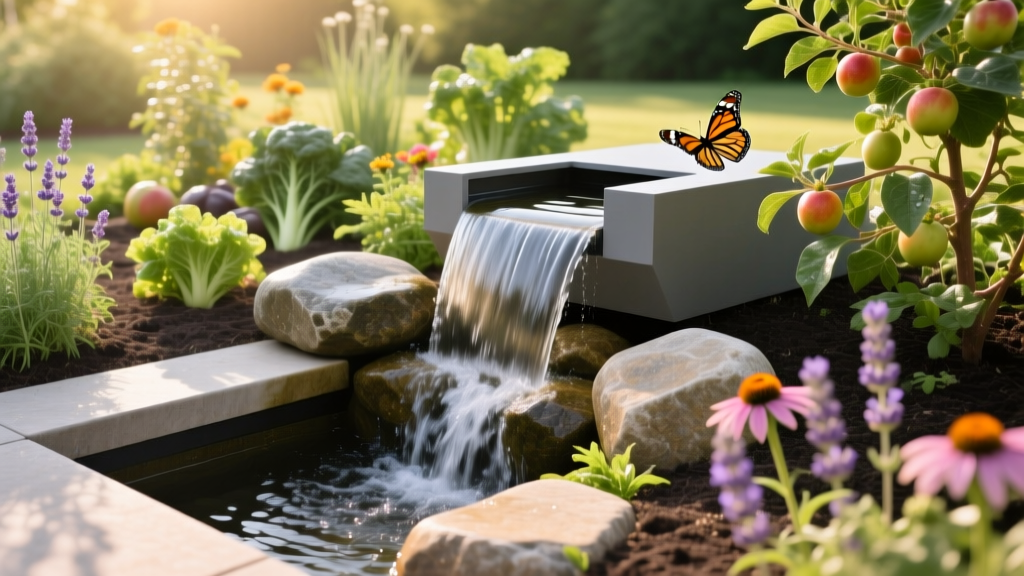
2026 Aquascape Pondless Waterfall Kit Foodscape Guide
David ParkPublished
The Rise of the Hydrated Foodscape in 2026
Edible landscaping, commonly known as foodscaping, has evolved dramatically over the last few years. By 2026, the modern home garden is no longer just a collection of raised vegetable beds; it is a fully integrated, multi-sensory ecosystem. One of the most striking and functional additions to the contemporary edible garden is the recirculating water feature. Specifically, the Aquascape pondless waterfall kit has emerged as a premier choice for homeowners looking to merge the tranquility of moving water with the productivity of a food-bearing landscape.
Unlike traditional ponds, which require extensive filtration, pose safety concerns for families, and consume valuable square footage that could be used for growing food, pondless waterfalls offer a streamlined, space-efficient alternative. When strategically placed within an edible garden, these features do much more than provide a soothing acoustic backdrop. They actively contribute to the health and yield of your crops by generating localized microclimates, increasing ambient humidity, and attracting essential pollinators. This comprehensive guide will walk you through the benefits, kit selection, and step-by-step installation of an Aquascape pondless waterfall kit tailored specifically for your 2026 foodscape.
Why Integrate a Pondless Waterfall into an Edible Landscape?
1. Microclimate Generation for Moisture-Loving Edibles
Water features act as natural thermal regulators. The continuous evaporation from a waterfall cools the immediate surrounding air during peak summer heat while retaining warmth during cool autumn nights. This creates a 'splash zone' microclimate that is highly beneficial for moisture-loving edible plants. Crops that typically struggle in dry, arid garden corners—such as watercress, taro, and specific varieties of mint—thrive in the humid, temperate air generated by the falling water.
2. Pollinator Magnetism and Pest Management
Pollinators require water sources, but they are easily drowned in deep, open ponds. A pondless waterfall with a shallow gravel basin provides a safe drinking and cooling spot for bees, butterflies, and beneficial predatory insects. According to the National Wildlife Federation's Garden for Wildlife program, providing shallow, moving water is one of the most effective ways to support local pollinator populations. By surrounding your waterfall with edible flowering plants like borage and nasturtiums, you create a high-traffic pollinator hub that directly increases the fruit set of nearby squash, tomatoes, and berry bushes.
3. Space Efficiency and Safety
In a foodscape, every square foot of soil is precious. Traditional water gardens require large surface areas for lilies and deep water zones. Pondless systems store their water reservoir underground in a hidden basin, allowing the surface level to be capped with decorative boulders and gravel. This leaves more above-ground space for raised beds, vertical trellises, and herb spirals, while eliminating the drowning hazard associated with open water.
Comparing 2026 Aquascape Pondless Kits for Foodscaping
Aquascape has updated their pondless lineup for 2026, featuring highly energy-efficient, app-controlled variable-speed pumps that allow gardeners to adjust flow rates based on the time of day or wind conditions, minimizing water loss from splash drift. Below is a comparison of the top kits suited for edible landscapes.
| Kit Model (2026 Lineup) | Basin Capacity | Pump Type & Flow | Best Foodscape Application |
|---|---|---|---|
| Pondless Waterfall Kit 6' Stream | PB1300 (Snorkel Vault) | Smart Pump 1500 (1500 GPH) | Small herb spirals, courtyard mint beds, and balcony-adjacent edible containers. |
| Pondless Waterfall Kit 8' Stream Pro | PB2100 (Large Vault) | Smart Pump 3000 (3000 GPH) | Large berry patches, taro bogs, root vegetable cooling zones, and integrated rain-harvesting systems. |
| Pondless Waterfall Kit 12' Stream | PB3300 (Mega Vault) | Smart Pump 4500 (4500 GPH) | Expansive permaculture food forests, commercial edible landscapes, and large-scale humidification zones. |
Step-by-Step Installation in Your Foodscape
Integrating hardscaping and water features into an edible garden requires careful planning to ensure that construction materials do not contaminate your soil and that the water feature complements your planting zones. For a deeper dive into the engineering behind these systems, you can explore Aquascape's pondless waterfall systems and their proprietary basin designs.
Step 1: Strategic Site Selection and Sun Mapping
Before breaking ground, map the sun exposure in your garden. Your edible plants will dictate the placement of the waterfall. Most vegetable crops require 6 to 8 hours of direct sunlight. Position the waterfall so that it borders the sun-drenched raised beds, providing a cooling humidity buffer on the downwind side. Ensure the underground basin is placed in an area where it can be easily accessed for future maintenance, and avoid placing it directly beneath deciduous fruit trees to minimize leaf litter clogging the gravel.
Step 2: Excavation and Basin Placement
Dig the hole for the basin vault, ensuring it sits perfectly level. The top of the basin lid should sit slightly above the surrounding soil grade. This is a critical step in a foodscape: raising the basin prevents runoff from nearby garden beds—which may contain organic fertilizers, compost teas, or soil-borne pathogens—from washing into your recirculating water system. Backfill around the vault with clean, washed gravel, not garden soil, to maintain proper drainage and structural integrity.
Step 3: Plumbing and Smart Pump Setup
Install the 2026 variable-speed smart pump inside the snorkel vault. Connect the flexible PVC tubing to the waterfall spillway at the top of your stream. Route the tubing along the side of the stream bed, securing it with landscape staples. Because this is near edible crops, ensure all PVC cements and plumbing materials are fully cured and rated for potable or agricultural water contact to prevent any chemical leaching into the surrounding soil.
Step 4: Hardscaping, Soil Barriers, and the Splash Zone
Lay down a high-quality, permeable geotextile underlayment over the entire stream and waterfall area. This prevents weeds from invading your water feature and keeps the gravel from mixing with the soil. When building the waterfall drop, use natural, inert boulders like granite or basalt. Avoid limestone or highly alkaline rocks, as the constant water flow can leach minerals into the splash zone, artificially raising the soil pH and locking out vital nutrients like iron and manganese from your edible plants. Create a physical barrier, such as a hidden steel or heavy-duty plastic edging, between the waterfall gravel and your edible garden soil to prevent gravel migration into your root zones.
Top Edible Plants for the Waterfall Splash Zone
The area immediately adjacent to the waterfall—the splash zone—is characterized by high humidity, consistent moisture, and slightly cooler temperatures. Choose edible plants that naturally thrive in riparian or bog-like conditions.
- Watercress (Nasturtium officinale): A peppery, nutrient-dense leafy green that loves constant moisture. Plant it in the shallow, wet gravel edges where the water gently pools before disappearing into the basin.
- Mint (Mentha spp.): Mint is notoriously invasive in standard garden beds. The pondless waterfall provides a natural, contained environment where mint can thrive without choking out your other vegetables. The constant moisture yields exceptionally tender leaves.
- Taro (Colocasia esculenta): Grown for its edible, starchy corms and nutritious leaves, taro requires abundant water and humidity. The mist from a 3000 GPH waterfall creates the perfect tropical microclimate for taro, even in temperate zones.
- Borage (Borago officinalis): While it prefers well-drained soil, borage planted just on the outer edge of the splash zone will benefit from the increased humidity. Its star-shaped blue flowers are edible and act as a massive draw for bees visiting the water feature.
- Nasturtiums (Tropaeolum majus): Use trailing nasturtiums to soften the hardscape edges of the waterfall spillway. Both the leaves and flowers are edible, offering a spicy kick to salads, and they act as an excellent trap crop for aphids, keeping them away from your primary vegetable beds.
Sustainable Maintenance and Water Conservation
Maintaining a water feature in an edible landscape requires a strict commitment to organic, non-toxic practices. Never use chemical algaecides or synthetic water clarifiers, as splash and mist can carry these chemicals onto the leaves of your food crops. Instead, rely on beneficial bacteria specifically formulated for pondless systems. These natural microbes consume excess nutrients and keep the water clear without posing any risk to human health or soil biology.
Water conservation is another cornerstone of the 2026 foodscape. According to EPA WaterSense guidelines, optimizing outdoor water use is vital for sustainable landscaping. You can easily integrate a rain barrel or a larger rainwater harvesting cistern with your Aquascape pondless basin. By setting up a simple gravity-fed or low-voltage drip line from your rain barrel to the pondless vault, you can automatically top off the water lost to evaporation using free, naturally soft rainwater. This not only reduces your municipal water bill but also provides chlorine-free water that is healthier for the beneficial bacteria in your basin and the plants in your splash zone.
Seasonal Winterization for Edible Zones
If you live in a climate with freezing winters, proper winterization is key to protecting both the hardscape and the surrounding edible perennials. Drain the basin vault and remove the smart pump to prevent cracking from ice expansion. The gravel bed will naturally insulate the underground vault. For the surrounding edible perennials like taro, the winter is the time to harvest the corms or heavily mulch the root zone. The rocks of the waterfall will absorb winter sunlight and slowly release it at night, offering a slight frost-protection buffer to hardy winter crops like kale and spinach planted in the immediate vicinity.
Conclusion
Integrating an Aquascape pondless waterfall kit into your edible landscape is a masterclass in functional garden design. It transcends mere aesthetics, acting as a living, breathing component of your food-producing ecosystem. By generating beneficial microclimates, supporting vital pollinator populations, and utilizing smart, water-conserving technology, the pondless waterfall proves that beauty and bounty can seamlessly flow together in the modern 2026 foodscape.

