
Landscaping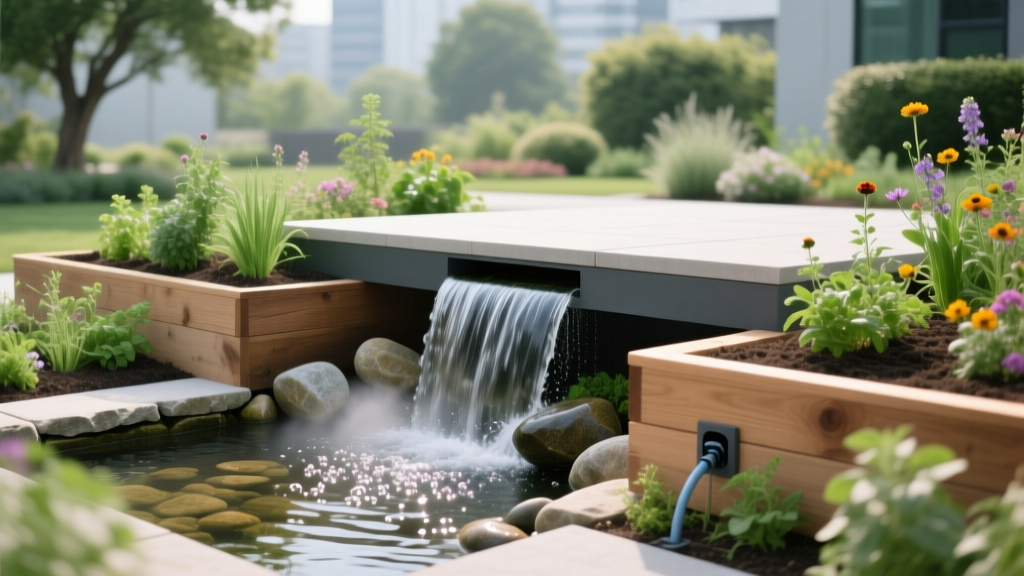
Aquascape Pondless Waterfall for Raised Beds: 2026 Guide
Emily WatsonPublished
As urban homesteading and edible landscaping continue to dominate outdoor living trends in 2026, gardeners are constantly seeking innovative ways to merge high-yield food production with stunning hardscaping. Raised bed vegetable gardening has long been the gold standard for soil control and ergonomic planting, but it often lacks the dynamic, multi-sensory elements of traditional landscape design. Enter the Aquascape Pondless Waterfall Kit—a revolutionary water feature solution that is completely transforming how we approach the modern edible landscape.
Integrating a pondless waterfall adjacent to your raised vegetable beds is not just an aesthetic upgrade; it is a highly functional landscaping strategy. In 2026, with shifting climate patterns bringing more frequent late-summer heatwaves, creating localized microclimates is essential for protecting heat-sensitive crops. Furthermore, a circulating water feature serves as a vital hydration station for beneficial insects, bridging the gap between ornamental water gardening and sustainable agriculture.
The Synergy Between Water Features and Raised Beds
Why install a waterfall next to a vegetable garden? The benefits extend far beyond the soothing sound of moving water masking neighborhood noise. When you position an Aquascape pondless system strategically near your raised beds, you unlock three major horticultural advantages:
- Evaporative Microclimate Cooling: As water cascades over basalt columns or stacked stone, it releases moisture into the immediate air. This evaporative cooling effect can lower the ambient temperature around nearby raised beds by 3 to 5 degrees Fahrenheit, providing critical relief for cool-weather crops like spinach, cilantro, and heirloom lettuces during the peak of July.
- Pollinator Hydration: Bees and butterflies require shallow, safe water sources to regulate their hive temperatures and metabolize nectar. A pondless waterfall with a gently sloping gravel discharge zone provides a drowning-free drinking spot, keeping native pollinators anchored in your garden. According to the Pollinator Partnership's comprehensive guidelines, providing consistent, clean water is a cornerstone of habitat restoration.
- Hidden Irrigation Reservoirs: The Snorkel Vault basin that catches the waterfall's flow can be adapted as a hidden, subterranean rainwater catchment and pump station for your raised bed drip irrigation system.
Choosing the Right Aquascape Kit for Your Garden Layout
Aquascape offers several configurations, but selecting the correct scale is vital to ensure the water feature complements rather than overwhelms your vegetable beds. The 2026 lineup features upgraded, energy-efficient AquaForce pumps that run 24/7 for pennies a day, making them ideal for continuous microclimate generation.
| Kit Size (Stream Length) | Basin Capacity | Ideal Raised Bed Setup | 2026 Est. Price |
|---|---|---|---|
| Small (8-Foot Stream) | 25 Gallons | Single 4x8 ft. Cedar Bed | $850 |
| Medium (12-Foot Stream) | 40 Gallons | L-Shaped or U-Shaped Garden | $1,150 |
| Large (20-Foot Stream) | 75 Gallons | Multi-Tier Terraced Beds | $1,600 |
For the average home gardener with two to four raised beds, the Medium 12-Foot Stream kit provides the perfect balance of visual impact, adequate water volume for thermal mass, and sufficient basin space to integrate a secondary irrigation pump.
Step-by-Step Installation Adjacent to Raised Beds
Installing a pondless waterfall near timber, composite, or galvanized steel raised beds requires careful planning regarding moisture management and splash zones. Follow these steps to ensure a seamless integration.
1. Strategic Placement and Clearance
Position the waterfall's spillway at least 24 inches away from the wooden walls of your raised beds. While the microclimate cooling is beneficial, constant direct splashing against wood or untreated steel will accelerate rot and corrosion. Angle the stream so it flows parallel to the longest side of your primary raised bed, maximizing the evaporative cooling corridor.
2. Excavating the Snorkel Vault Basin
Dig the basin hole to accommodate the Snorkel Vault and Centipede Module. Because you are working near raised beds, be mindful of the soil ecology. Avoid disrupting the deep root zones of any perennial herbs or asparagus crowns planted near the bed perimeters. Line the excavation with a high-quality geotextile underlayment before dropping in the EPDM rubber liner to protect against sharp subsoil rocks.
3. Building the Stream and Waterfall
Use the included flexible PVC tubing to connect the submersible pump in the basin to the BioFalls filter at the top of the stream. When arranging your stones, create a shallow, pebble-filled beach at the bottom of the stream. This shallow gradient is crucial for pollinator access, allowing mason bees and honeybees to land safely on wet stones without the risk of being swept into the hidden basin below.
The Hidden Reservoir: Dual-Purpose Irrigation Hack
One of the most brilliant landscaping hacks for 2026 is utilizing the pondless basin as a pressurized irrigation hub. The 40-gallon capacity of the Medium Snorkel Vault is enough to run a low-volume drip system for a 4x8 raised bed for several hours.
By installing a secondary, smaller submersible pump (or a diverter valve on the main AquaForce pump), you can route a 1/2-inch polyethylene tube from the hidden basin up into your raised bed. Fill the basin with harvested rainwater from a nearby downspout or a standard garden hose. When the main waterfall pump is running, the secondary line pressurizes a drip tape network buried beneath the mulch in your vegetable bed. This creates a closed-loop aesthetic where the sound of the waterfall masks the mechanical noise of the irrigation system, and the water feature doubles as your garden's hydration engine. For optimal efficiency, consult University of Minnesota Extension's irrigation research regarding low-pressure drip systems and water conservation techniques.
Organic Maintenance in the Edible Landscape
The most critical rule of integrating water features with vegetable gardening is the absolute prohibition of synthetic chemical algaecides and copper-based water clarifiers. Runoff, splash, or even aerosolized mist from the waterfall can introduce toxins into your raised bed soil, contaminating your root vegetables and leafy greens.
To maintain crystal-clear water in 2026 without harming your edible crops, rely entirely on biological filtration and organic treatments:
- Beneficial Bacteria: Dose the Snorkel Vault weekly with Aquascape's Beneficial Bacteria for Pondless. These natural microbes consume excess nutrients (like nitrogen and phosphorus) that cause string algae, effectively starving the algae out of existence without altering the soil pH of adjacent beds.
- Barley Straw Extract: If green water becomes an issue during a heavy summer pollen drop, use 100% organic barley straw extract. It naturally releases enzymes that inhibit algae growth and is completely safe for soil biology, earthworms, and edible crops.
- Physical Filtration: Keep the BioFalls filter mat clean by rinsing it monthly with a hose. Never use tap water treated with heavy chloramines if you plan to divert the basin water to your vegetable drip lines, as this can harm the mycorrhizal fungi networks in your raised bed soil.
Winterizing the Waterfall in Veggie Zones
As the vegetable gardening season winds down in late autumn, your winterization strategy must account for both the water feature and the dormant raised beds. Remove the main pump from the Snorkel Vault and store it in a bucket of water in a frost-free garage to protect the seals.
However, do not completely drain the basin if you are using it as a passive rainwater catchment for early spring prep. Instead, cover the gravel stream and basin opening with a heavy-duty leaf net. This prevents decaying autumn leaves from leaching tannins into the water, which could result in highly acidic water being pumped into your raised beds the following spring. By maintaining this system properly, your Aquascape pondless waterfall will remain a stunning, functional cornerstone of your edible landscape for decades to come.

