
Landscaping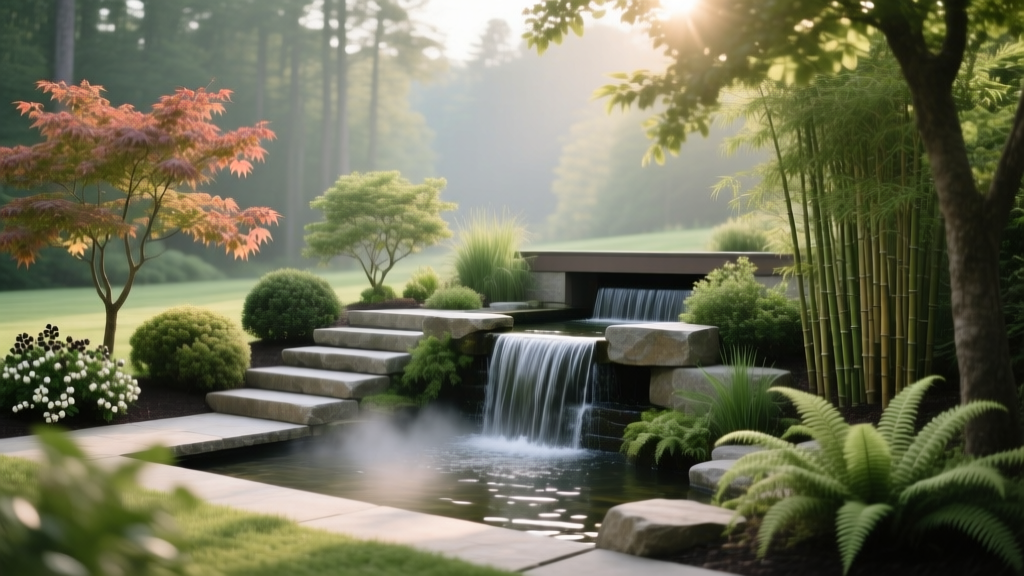
Best Trees For Aquascape Pondless Waterfall Kits In 2026
Robert HayesPublished
When designing a backyard oasis in 2026, the Aquascape pondless waterfall kit remains a top choice for homeowners seeking the tranquil sound of moving water without the maintenance of a full ecosystem pond. However, a common mistake among DIY landscapers is installing the waterfall in isolation. To truly elevate your landscape design and ensure the longevity of your water feature, integrating the right tree selection and planting strategy is paramount. Trees not only frame the waterfall, providing essential vertical interest and curb appeal, but they also offer vital shade that regulates water temperature and inhibits excessive algae growth in the hidden reservoir.
Why Tree Placement Matters for Pondless Waterfalls
While the Aquascape pondless system cleverly hides the water reservoir in an underground gravel-filled basin, the visible stream and waterfall are still exposed to the elements. In the intense summer heat of 2026, unshaded water features can experience rapid evaporation and temperature spikes. According to the Environmental Protection Agency (EPA), strategic landscaping and shade integration can significantly reduce outdoor water loss and improve overall garden microclimates. By selecting the right canopy and understory trees, you create a naturalized setting that mimics a woodland stream. Furthermore, careful tree selection ensures that aggressive root systems do not compromise the EPDM rubber liner or the structural integrity of the pump vault.
Top Tree Selections for Aquascape Installations
Choosing trees for a water feature requires balancing aesthetic appeal with practical considerations like leaf drop and root behavior. You want to avoid trees with massive, brittle leaves that can clog the gravel intake bay, as well as species with highly invasive water-seeking roots.
1. Japanese Maple (Acer palmatum)
The Japanese Maple is a staple in high-end landscape design for good reason. Its delicate, deeply lobed leaves are small enough that they rarely cause major blockages in the pondless gravel bed. The weeping varieties, such as 'Crimson Queen' or 'Waterfall', naturally cascade toward the ground, beautifully echoing the downward flow of the waterfall. Plant these at least 6 to 8 feet away from the stream edge to allow their canopy to drape over the water without the trunk being subjected to constant moisture.
2. Eastern Redbud (Cercis canadensis)
For homeowners looking to add a pop of spring color, the Eastern Redbud is an exceptional understory tree. Blooming in early spring with vibrant magenta flowers, it provides a stunning visual contrast against the dark basalt columns often used in Aquascape waterfall builds. Redbuds have relatively non-aggressive root systems, making them safe to plant in proximity to hardscaping and underground water reservoirs.
3. River Birch (Betula nigra)
If your landscape design calls for a taller canopy tree to provide dappled shade over the entire waterfall footprint, the River Birch is an ideal native option. Naturally found along stream banks, it thrives in slightly moist soil conditions that might occur near the perimeter of your waterfall's splash zone. Its peeling bark adds incredible winter interest, ensuring your water feature area remains a focal point even when the pump is winterized in late 2026.
Complementary Shrubs and Groundcovers
To bridge the gap between your newly planted trees and the stone edging of the Aquascape kit, incorporate moisture-tolerant shrubs and groundcovers. Creeping Jenny (Lysimachia nummularia) is a fantastic trailing plant that will soften the hard edges of the waterfall spillway. For shaded areas beneath the canopy of your Japanese Maple, plant native Ferns or Astilbe. These plants thrive in the humid microclimate created by the moving water and require minimal maintenance, keeping the focus on the sound and visual appeal of the cascading water.
Planting Distance and Root Management Chart
Proper spacing is critical when planting near an Aquascape pondless vault. The vault houses the pump and check valve, and you must ensure roots do not infiltrate the gravel matrix or lift the surrounding flagstone. Below is a 2026 planting guide chart for common waterfall-adjacent trees.
| Tree Species | Mature Canopy Spread | Safe Planting Distance from Vault | Root Invasiveness Rating |
|---|---|---|---|
| Japanese Maple | 10 - 15 feet | 6 feet minimum | Low |
| Eastern Redbud | 15 - 20 feet | 8 feet minimum | Low to Moderate |
| River Birch | 20 - 30 feet | 12 feet minimum | Moderate |
| Weeping Willow | 30 - 50 feet | Not Recommended | Extremely High |
As noted by experts at Penn State Extension, understanding the mature spread and root architecture of a tree before planting is essential to prevent future damage to landscape infrastructure. Never plant water-seeking species like Weeping Willows or Poplars near a pondless reservoir; their roots will actively hunt for the moisture trapped in the basin and can easily crush PVC piping.
Step-by-Step Planting Guide Around the Reservoir
When integrating trees into your Aquascape pondless waterfall design, follow these actionable steps to protect your investment:
Step 1: Map the Underground Infrastructure
Before digging any planting holes, use the original installation blueprints or a soil probe to map the exact location of the EPDM liner, the underlayment, and the flexible PVC pipe running from the waterfall spillway to the pump vault. Accidentally piercing the liner with a shovel will cause the system to leak and lose water rapidly.
Step 2: Install Root Barriers
For trees with moderate root invasiveness, install a high-density polyethylene (HDPE) root barrier between the tree's planting hole and the waterfall reservoir. Bury the barrier at least 24 inches deep, leaving 2 inches exposed above the soil grade to prevent roots from growing over the top.
Step 3: Elevate the Planting Mound
Trees planted near water features often suffer from root rot if the soil remains perpetually saturated. Create a raised planting mound using well-draining topsoil mixed with organic compost. Plant the tree's root flare slightly above the surrounding grade to ensure excess water drains away from the trunk and toward the landscape beds, rather than pooling over the pondless vault lid.
Mulching, Soil, and Long-Term Maintenance
The type of mulch you use around your pondless waterfall is just as important as the trees themselves. Avoid using fine, easily washed-away materials like pine needles or shredded bark directly adjacent to the stream. Heavy spring rains can wash these materials into the gravel intake bay, forcing you to perform a tedious clean-out of the reservoir. Instead, use large river rock or heavy cedar mulch chunks that will stay in place.
When fertilizing your newly planted trees, opt for slow-release, organic granular fertilizers. Liquid synthetic fertilizers can easily run off into the waterfall stream during heavy irrigation or rainfall. Even though a pondless system does not house fish like koi or goldfish, excessive nutrient loading in the water reservoir will fuel massive string algae blooms, turning your beautiful cascading waterfall into a green, slimy mess.
In the fall of 2026, be proactive about leaf management. While the Japanese Maple's small leaves are manageable, a sudden drop from a nearby oak or maple can smother the gravel bed. Invest in a high-quality leaf net designed specifically for water features, or use a cordless electric leaf blower to gently clear debris from the stream and vault area weekly during the autumn months. By thoughtfully combining the right tree selection with your Aquascape pondless waterfall kit, you will cultivate a breathtaking, sustainable landscape that provides auditory and visual relaxation for decades to come.

