Pest Control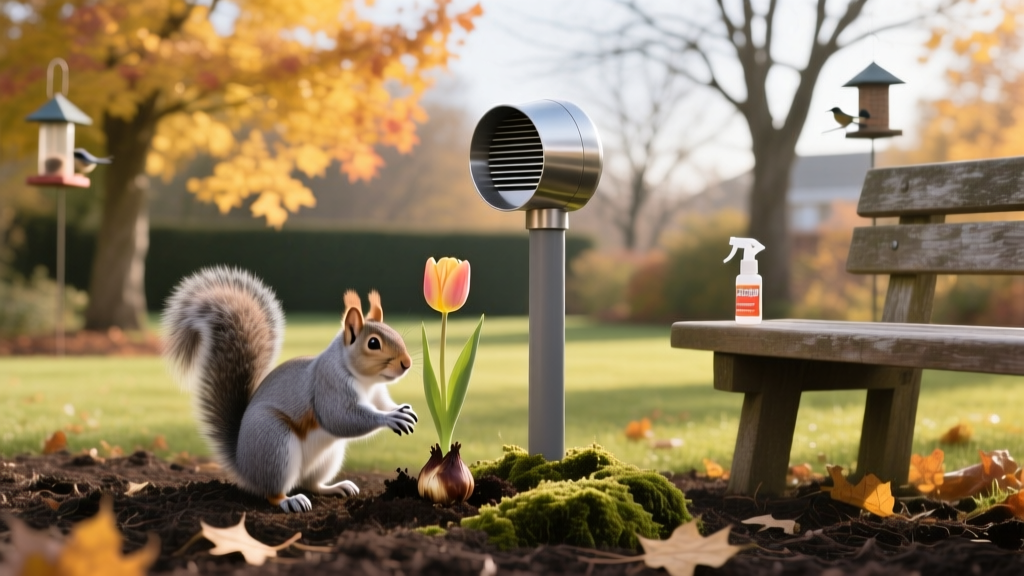
Fall 2026 Squirrel Deterrents: Baffles and Capsaicin Spray
Sarah ChenPublished
The Fall Foraging Frenzy: Why Squirrels Target Your Lawn
When autumn arrives, lawn care enthusiasts typically focus on core aeration, overseeding, and leaf management. However, an equally critical component of fall lawn care in 2026 is wildlife pest management. As natural food sources like acorns and hickory nuts fluctuate due to shifting regional mast cycles, suburban squirrels turn their attention to our manicured landscapes. According to The Humane Society of the United States, squirrel conflicts peak in the fall as these rodents aggressively cache food for the winter and seek out high-calorie resources.
For homeowners, this translates to freshly planted fall bulbs being dug up, bird feeders being raided and destroyed, and the bark of young ornamental trees being stripped. To protect your landscape investment this season, integrated pest management (IPM) relies on a two-pronged approach: physical exclusion using baffles and sensory deterrence using capsaicin sprays. This comprehensive guide will walk you through the most effective, eco-friendly methods to squirrel-proof your yard this autumn.
Physical Barriers: Mastering the Baffle System
A baffle is a physical barrier designed to exploit the biomechanical limitations of squirrels. While squirrels are incredible athletes—capable of jumping up to 5 feet vertically and 10 feet horizontally—they struggle with smooth, angled surfaces that offer no grip. In 2026, the market offers highly durable, UV-stabilized polycarbonate baffles that withstand harsh autumn weather and winter snow loads without becoming brittle.
Pole-Mounted Torpedo Baffles
Torpedo baffles are cylindrical, cone-shaped barriers that wrap around the poles supporting your bird feeders or garden ornaments. When a squirrel attempts to climb the pole, it enters the wide bottom of the cone and finds itself sliding off the smooth, sloped interior. For maximum effectiveness in the fall, ensure the torpedo baffle is installed at least 5 feet off the ground. If it is placed any lower, a squirrel can simply leap over it and grab the feeder above.
Hanging Dome Baffles
If your feeders or hanging baskets are suspended from tree branches or shepherd's hooks, a dome baffle is your best defense. These wide, saucer-like domes act as an umbrella. When a squirrel drops down from a branch or tries to climb over the hook, the wide, slippery slope of the dome forces them to slide off to the ground. Modern 2026 models feature adjustable center hooks, allowing you to tilt the dome slightly, making it even more difficult for an agile squirrel to balance on the edge.
The 5-10 Rule for Placement
No baffle will work if the squirrel can bypass it by jumping from a nearby structure. The golden rule of baffle placement is the 5-10 rule: the feeder or protected item must be at least 5 feet off the ground and at least 10 feet away from any launch point, including tree trunks, fences, roofs, and deck railings. During your fall yard cleanup, be sure to trim back overhanging branches that could serve as squirrel highways into your protected zones.
Chemical Deterrents: The Power of Capsaicin Spray
While baffles protect vertical structures, they cannot protect your garden beds, fall-planted bulbs, or the trunks of your trees. This is where capsaicin spray becomes an invaluable tool in your fall IPM arsenal. Capsaicin is the active chemical compound in hot peppers that produces a burning sensation. According to the Environmental Protection Agency (EPA), capsaicin is classified as a biochemical pesticide that is highly effective against mammalian pests while remaining safe for the environment and non-target species like birds.
Protecting Fall-Planted Bulbs
Autumn is the season for planting tulips, crocuses, hyacinths, and alliums. Unfortunately, squirrels view freshly turned soil as an invitation to dig, and they find the bulbs themselves to be a delicious snack. To prevent this, treat your bulbs before they go into the ground. You can purchase commercial capsaicin-based bulb dips or sprays. Toss your bulbs in a bucket with the capsaicin solution, let them dry, and then plant them. The residual heat will deter squirrels from digging and chewing without harming the plant's root development or the soil's microbiome.
Saving Tree Bark and Shrubs
In late fall and early winter, as green vegetation dies back, squirrels and other rodents may turn to the tender bark of young maples, fruit trees, and ornamental shrubs for sustenance. Girdling—a process where the bark is stripped entirely around the trunk—can kill a tree. Applying a capsaicin-based liquid repellent directly to the lower trunks of vulnerable trees creates a sensory barrier. Reapply the spray after heavy autumn rains to maintain the protective coating.
Bird Seed Treatment
One of the most brilliant uses of capsaicin in fall lawn care is treating bird seed. Mammals possess TRPV1 receptors that detect the burning heat of capsaicin, but birds lack these specific receptors. By spraying your sunflower seeds, suet cakes, and nyjer seed with a capsaicin solution, you create a food source that is highly attractive to autumn-migrating birds but completely unpalatable to squirrels. This ensures your expensive fall birdseed goes to the intended wildlife.
Comparison Chart: Baffles vs. Capsaicin Spray
To help you budget and plan your fall pest control strategy, here is a breakdown of how physical and chemical deterrents compare in 2026.
| Deterrent Method | Target Area | Est. Cost (2026) | Longevity | Best Use Case |
|---|---|---|---|---|
| Torpedo Baffle | Feeder Poles | $25 - $45 | 5+ Years | Protecting pole-mounted bird feeders and garden stakes. |
| Dome Baffle | Hanging Feeders | $30 - $60 | 5+ Years | Shielding suspended feeders from overhead branch drops. |
| Capsaicin Bulb Dip | Garden Beds | $15 - $25 | 1 Season | Preventing digging and consumption of fall-planted bulbs. |
| Capsaicin Bark Spray | Tree Trunks | $20 - $35 | 2-4 Weeks | Preventing winter bark girdling on young ornamental trees. |
| Capsaicin Seed Spray | Bird Feeders | $15 - $20 | Until Consumed | Reserving high-calorie fall seeds exclusively for birds. |
Your 2026 Fall Lawn Care Squirrel Defense Plan
Implementing a successful squirrel deterrent strategy requires timing and consistency. Follow this step-by-step action plan as the leaves begin to turn:
- Conduct a Yard Audit (Early September): Walk your property and identify all squirrel launch points. Note which trees overhang your garden beds and where your bird feeders are currently located. Measure the distance to fences and roofs.
- Relocate and Baffle (Mid-September): Move bird feeders to open areas that comply with the 5-10 rule. Install torpedo or dome baffles on all poles and hooks. Clean the baffles with a mild vinegar solution to remove any manufacturing oils that might give squirrels a foothold.
- Treat and Plant Bulbs (October): When preparing your garden beds for spring-blooming bulbs, incorporate a capsaicin dip. Additionally, mix sharp gravel or crushed oyster shells into the top layer of soil above the bulbs, as squirrels dislike digging through coarse, sharp textures.
- Apply Tree Trunk Protection (November): As the ground freezes and natural forage disappears, apply capsaicin spray to the bottom 24 inches of vulnerable tree trunks. For added protection, wrap the trunks with hardware cloth or commercial tree guards, which also deter deer and voles.
- Maintain and Reapply (Late Fall/Winter): Capsaicin sprays are water-soluble and will degrade after heavy autumn rainstorms or early snowmelt. Keep a bottle on hand to reapply to tree bark and garden borders as needed throughout the late fall.
Frequently Asked Questions
Is capsaicin spray safe for my lawn and soil?
Yes. Capsaicin is a naturally occurring organic compound. According to Penn State Extension, plant-based repellents like capsaicin break down quickly in the environment and do not harm soil bacteria, earthworms, or the root systems of your turfgrass and garden plants.
Will capsaicin spray harm my pets?
While capsaicin is non-toxic and will not cause permanent damage, it will cause temporary discomfort, burning, and irritation if your dog or cat sniffs or licks a freshly treated area. Always apply the spray on a calm day to avoid wind drift, and keep pets out of the treated garden beds until the liquid has completely dried.
Can I just use cayenne pepper powder from the grocery store?
While you can sprinkle culinary cayenne pepper powder over your garden beds, it is not the most effective method for fall lawn care. Powder washes away immediately with the first autumn rain and can easily blow into the eyes of beneficial wildlife or pets. Commercial liquid capsaicin sprays are formulated with natural binding agents and sticker-spreaders that adhere to bulbs, bark, and seed hulls, providing long-lasting protection through wet fall weather.
Do squirrels eventually get used to the capsaicin?
No, mammals do not build a tolerance to the TRPV1 receptor response caused by capsaicin. However, extremely hungry squirrels in the dead of winter may attempt to brave the heat if no other food is available. This is why combining capsaicin treatments with physical barriers like baffles and yard cleanup (removing fallen fruit and nuts) is the most robust IPM strategy.
Conclusion
Fall lawn care extends far beyond the grass itself. By proactively defending your garden beds, trees, and bird feeders, you ensure that your landscape survives the winter and thrives in the spring. Utilizing the physical exclusion of 2026's advanced polycarbonate baffles alongside the organic, sensory deterrence of capsaicin sprays provides a humane, highly effective shield against squirrel damage. Implement these strategies this autumn, and you will spend less time repairing dug-up flower beds and more time enjoying the beauty of your fall landscape.