Gardening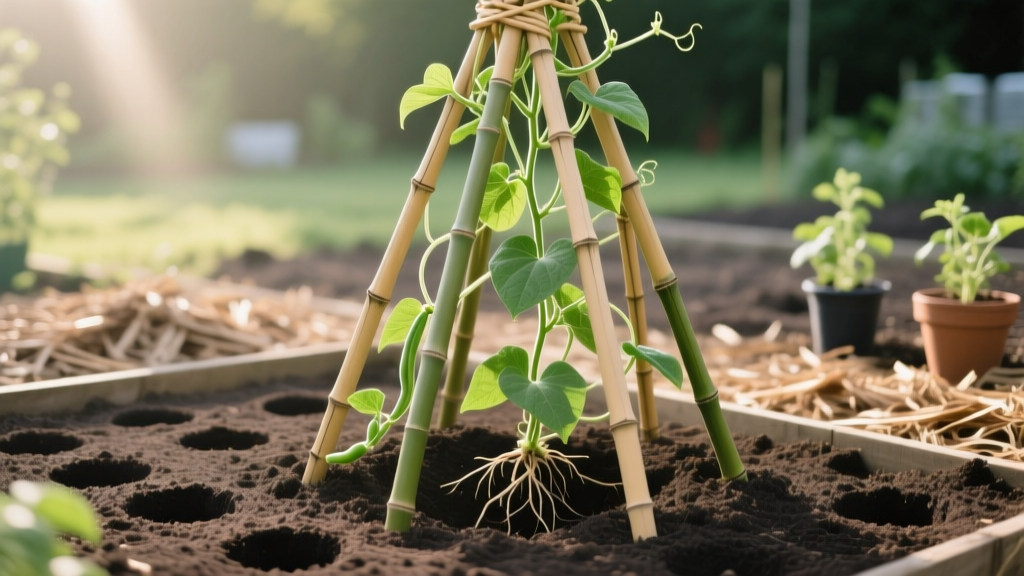
2026 Bamboo Bean Teepee Guide: Core Aeration Soil Prep
Robert HayesPublished
The Hidden Link Between Core Aeration and Vertical Gardening
As we enter the 2026 growing season, vertical gardening continues to dominate urban and suburban homesteads. Among the most beloved vertical structures is the classic bamboo bean teepee, a staple for growing pole beans, scarlet runners, and even climbing nasturtiums. However, many gardeners face a recurring issue: their teepees become top-heavy, blow over in summer storms, and produce stunted yields. The culprit is rarely the bamboo; it is almost always compacted soil. While traditionally associated with turfgrass management, the principles of core aeration outlined by Penn State Extension translate perfectly to intensive vegetable beds. By applying lawn-style core aeration to your garden bed footprint before erecting your teepee, you unlock deeper root penetration, better water infiltration, and a significantly more stable base for your bamboo poles.
Why Pole Beans Demand Aerated Soil
Pole beans (Phaseolus vulgaris) are vigorous climbers that rely on a deep, robust taproot system to anchor themselves and draw up the heavy nutrients required for continuous pod production. According to The Old Farmer's Almanac, pole beans thrive in loose, well-draining soil. When planted in compacted clay or heavily trodden garden paths, the taproot hits a hardpan layer and deflects horizontally. This results in a shallow root system that cannot support the 6-to-10-foot vine canopy, leading to windthrow and drought stress. Core aeration solves this by physically removing small plugs of soil, relieving compaction and creating vertical channels for roots, water, and oxygen.
Step 1: Core Aerating the Teepee Footprint
Before you purchase your bamboo or plant a single seed, you must prepare the soil. For a standard bean teepee, you will need a circular footprint roughly 3 to 4 feet in diameter.
Tools Required
- Manual Step Aerator: A tool like the Yard Butler Lawn Coring Aerator is perfect for small garden beds. It extracts 3-inch deep, half-inch wide soil cores.
- Broadfork: For larger or heavily compacted clay beds, a 4-tine broadfork will fracture the deep hardpan without destroying the soil microbiome.
- Compost Top-Dressing: 2 bags of premium screened compost (2026 pricing averages $6-$8 per bag).
The Aeration Process
- Mark the Circle: Use a string and a stake to mark a 3-foot diameter circle where your teepee will stand.
- Extract the Cores: Step the manual aerator into the soil every 4 to 6 inches across the entire circle. Aim for a depth of at least 3 inches.
- Leave the Plugs: Do not rake away the extracted soil plugs. Let them break down naturally on the surface over the next two weeks.
- Top-Dress: Spread a 1-inch layer of screened compost over the aerated circle. The compost will wash down into the aeration holes, creating nutrient-rich pillars for the bean taproots to follow.
Furthermore, research from the University of Minnesota Extension highlights that reducing soil compaction drastically improves the soil's water-holding capacity, ensuring your thirsty pole beans remain hydrated during peak July heat.
Step 2: Sourcing Bamboo Poles for the 2026 Season
Bamboo remains the premier choice for teepees due to its high tensile strength, natural rot resistance, and sustainability. In 2026, Tonkin cane (Arundinaria amabilis) and locally sourced timber bamboo are the top recommendations. Avoid thin, decorative garden stakes; they will snap under the weight of a mature bean canopy.
- Recommended Height: 8-foot poles (yielding about 6.5 feet of usable climbing space after lashing).
- Recommended Diameter: 3/4-inch to 1-inch at the base.
- Estimated 2026 Cost: $4.00 to $6.50 per pole at local nurseries, or roughly $25 for a bundled 5-pack online.
Step 3: Constructing the Bamboo Teepee Structure
Because you have already core-aerated the soil, driving the bamboo poles into the ground will be remarkably easier. The aerated channels reduce soil friction, allowing you to seat the poles deeply and securely.
Assembly Instructions
- Position the Poles: Take 5 to 7 bamboo poles and arrange them evenly around the perimeter of your aerated circle.
- Drive Them Deep: Push or gently mallet each pole 8 to 10 inches into the softened, aerated soil. The deep insertion, combined with the loose soil gripping the pole, provides immense wind resistance.
- Gather the Apex: Lean all poles inward so they cross about 6 to 8 inches from the top.
- Lash the Joint: Use natural, biodegradable jute twine (approx. $5 per spool in 2026). Wrap the twine tightly around the intersection using a figure-eight lashing pattern to lock the poles together. Tie off with a secure square knot.
- Add Horizontal Weavers: For extra stability and more climbing surface area, weave thinner bamboo strips or twine horizontally around the teepee at 1-foot intervals.
Step 4: Planting and Companion Planting
Once the structure is secure, it is time to plant. The compost-filled aeration holes provide the perfect micro-environment for seed germination.
- Planting Depth: Sow pole bean seeds 1 inch deep, spacing them 4 to 6 inches apart around the base of each bamboo pole.
- Inoculant: Coat seeds with a rhizobium bacteria inoculant before planting to boost nitrogen fixation.
- Companion Planting: Plant a ring of marigolds or nasturtiums around the outer edge of the teepee. These flowers deter bean beetles and attract beneficial pollinators, while their shallow roots will not compete with the deep-reaching bean taproots.
Pole Bean Varieties and Bamboo Sizing Chart
Selecting the right bean variety ensures your vines match the scale of your bamboo structure. Below is a 2026 compatibility guide for popular pole bean varieties and their structural requirements.
| Bean Variety | Days to Harvest | Max Vine Length | Recommended Pole Height | Aeration Depth Needed |
|---|---|---|---|---|
| Kentucky Wonder | 65 Days | 6-8 Feet | 8 Feet | 3-4 Inches |
| Scarlet Runner | 75 Days | 10-12 Feet | 10 Feet | 4-6 Inches |
| Blue Lake Pole | 60 Days | 5-7 Feet | 7 Feet | 3 Inches |
| Yardlong (Asparagus Bean) | 80 Days | 10-14 Feet | 10+ Feet | 6 Inches (Broadfork) |
Seasonal Maintenance and Harvesting
Throughout the 2026 summer, monitor the soil moisture. The aeration channels will allow water to penetrate deeply, meaning you can water less frequently but more thoroughly. Aim for 1 inch of water per week, applied at the base of the teepee to keep the foliage dry and prevent fungal diseases like powdery mildew. Harvest the beans every 2 to 3 days when the pods are firm and crisp. Frequent harvesting signals the plant to continue producing flowers and pods well into the first frost of autumn.
Conclusion
Building a bamboo bean teepee is a time-honored garden tradition, but integrating core aeration into your soil preparation elevates this project from a simple craft to a masterclass in soil science. By relieving compaction, you not only make the physical construction of the teepee easier but also provide your pole beans with the deep, oxygen-rich environment they need to thrive. Grab your step aerator, source some high-quality Tonkin bamboo, and prepare for your most abundant vertical harvest yet this 2026 season.
