Gardening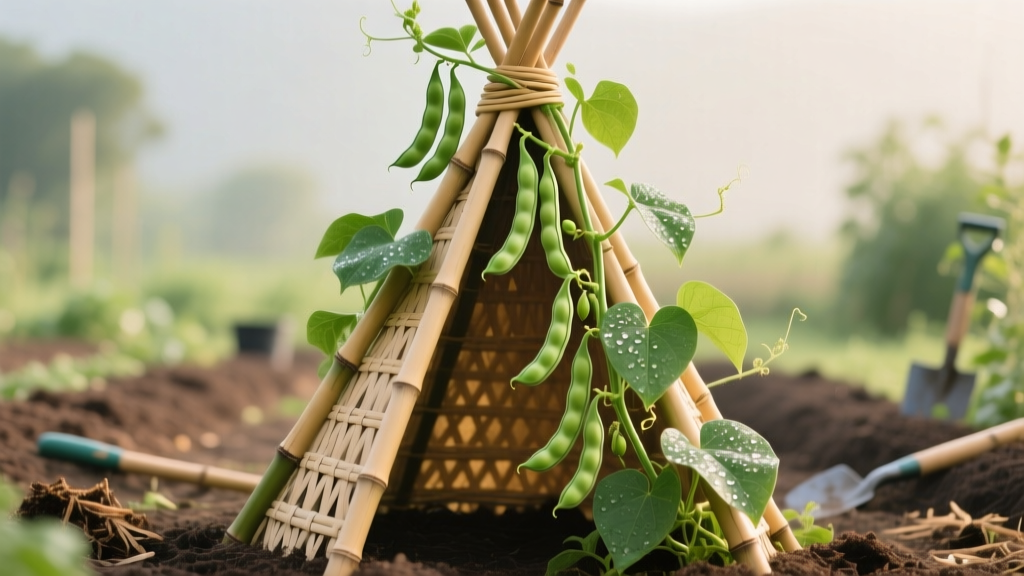
Build A Bamboo Bean Teepee: 2026 Fertilizer Schedule Guide
Anna KowalskiPublished
Introduction to Bamboo Bean Teepees and Pole Bean Nutrition
Welcome to the 2026 growing season. As home gardeners increasingly seek vertical gardening solutions to maximize limited space, the classic bamboo bean teepee remains an unmatched structure for growing pole beans (Phaseolus vulgaris). Not only does a teepee provide robust support for heavy, vining crops, but it also creates a striking architectural focal point in any backyard garden. However, the structural integrity of your teepee is only half the battle. The true secret to a massive, continuous harvest lies in understanding the unique nutritional needs of legumes and executing a precise fertilizer schedule.
Pole beans are indeterminate growers, meaning they continue to vine, flower, and produce pods over a two-to-three-month period until the first frost. Unlike bush beans, which mature quickly and require a single burst of nutrients, pole beans demand a carefully phased fertilization strategy. In this comprehensive guide, we will walk you through the exact construction of a durable bamboo teepee and detail the definitive 2026 fertilizer schedule to ensure your vines are vigorous and your pods are tender and abundant.
Step-by-Step Bamboo Teepee Construction
Before we can discuss soil amendments and side-dressing, we must build the foundation. Bamboo is the premier material for 2026 garden structures due to its sustainability, tensile strength, and natural resistance to rot when properly harvested.
Materials Needed
- 8 to 10 bamboo poles, 8 to 10 feet in length and at least 1 inch in diameter at the base (Expect to pay around $3 to $5 per pole in 2026 markets).
- Heavy-duty jute twine or biodegradable sisal rope.
- A spade and a hand trowel for soil preparation.
- Organic compost and your chosen base fertilizers.
The Construction Process
Begin by marking a circle roughly 3 to 4 feet in diameter in a location that receives full sun (at least 8 hours of direct sunlight daily). Before erecting the poles, dig a trench about 6 inches deep along the perimeter of your circle. This is where you will plant your seeds and incorporate your base fertilizers.
Insert your bamboo poles into the soil at a slight inward angle, spacing them evenly around the circle. Leave a 2-foot gap on the south-facing side of the teepee; this opening is crucial for airflow, preventing fungal diseases, and giving you easy access to harvest the inner pods. Gather the tops of the poles together so they cross one another. Using your jute twine, employ a 'square lashing' technique to bind the apex securely. Wrap the twine tightly over and under the intersections, finishing with a clove hitch to lock it in place. Finally, weave a few horizontal bamboo hoops or additional twine lines around the middle of the structure to provide extra lateral support for the heavy bean vines as they mature.
The Science of Pole Bean Nutrition
To master the fertilizer schedule, you must understand how legumes feed. Pole beans possess the remarkable ability to fix atmospheric nitrogen through a symbiotic relationship with Rhizobium bacteria in their root nodules. Because of this, the most common mistake gardeners make is applying high-nitrogen fertilizers. Excess nitrogen will result in massive, lush, dark green foliage but severely delayed flowering and sparse pod production—a condition often referred to as 'bull neck' growth.
According to the University of Minnesota Extension, beans require moderate fertility, with a distinct emphasis on phosphorus for root and flower development, and potassium for disease resistance and pod quality. Micronutrients like calcium, magnesium, and molybdenum are also critical in 2026 organic gardening practices to support the nitrogen-fixing bacteria themselves.
The 2026 Pole Bean Fertilizer Schedule
Because pole beans are grown in a concentrated circular bed beneath a teepee, nutrient competition is high. The following phased schedule ensures nutrients are available exactly when the plant needs them, preventing salt buildup and nutrient lockout.
Phase 1: Pre-Planting Soil Preparation (2 Weeks Before Sowing)
The goal here is to build a biologically active soil food web. Two weeks before you plan to sow your seeds, amend the circular trench with 2 to 3 inches of high-quality organic compost. Compost provides a slow-release baseline of micronutrients and improves soil moisture retention, which is vital because the dense canopy of a mature teepee can cause the soil surface to dry out unevenly.
Mix in a phosphorus-rich amendment such as bone meal or rock phosphate at a rate of 2 pounds per 100 square feet. Phosphorus is relatively immobile in the soil, so it must be worked into the top 4 to 6 inches of the root zone prior to planting. Avoid any synthetic, high-nitrogen blends like 10-10-10 at this stage.
Phase 2: Sowing and Inoculation (Day 0)
When sowing your pole bean seeds (such as 'Kentucky Blue' or 'Scarlet Emperor'), do not skip the inoculation step. Even if you have grown beans in this spot before, applying a fresh, strain-specific Rhizobium inoculant powder directly to dampened seeds before planting ensures immediate nodule formation. This biological 'fertilizer' replaces the need for synthetic nitrogen entirely. Plant seeds 1 inch deep and 6 inches apart around the inside perimeter of your bamboo teepee.
Phase 3: Vegetative Vining (Weeks 3 to 5)
As the beans emerge and begin to reach for the bamboo poles, their primary focus is establishing a root system and pushing vegetative growth. At this stage, the nitrogen fixed by the bacteria is usually sufficient. However, if your soil is inherently poor or sandy, a light application of liquid kelp extract can provide essential trace minerals and natural growth hormones (cytokinins) that encourage strong cellular development without pushing excessive leafy growth. Apply as a foliar spray or a light soil drench at half the manufacturer's recommended strength.
Phase 4: Flowering and Pod-Set Side-Dressing (Weeks 6 to 12)
This is the most critical fertilization window. Once you see the first flower buds forming, the plant's demand for potassium skyrockets. Potassium regulates water uptake, enzyme activation, and the translocation of sugars from the leaves to the developing pods. According to the Royal Horticultural Society, maintaining steady potassium levels is essential for long, straight, and tender bean pods.
Side-dress the base of the vines with a sulfate of potash (potassium sulfate) or a high-potassium organic liquid feed every three weeks during the harvest period. Gently scratch 1/2 cup of granular potassium sulfate into the top inch of soil around the drip line of the teepee, being careful not to damage the shallow feeder roots. Water deeply immediately after application to dissolve the nutrients and carry them into the root zone.
Fertilizer Types Comparison Chart
Choosing the right fertilizer formulation is just as important as the timing. Below is a comparison of the most effective fertilizer types for pole beans grown in vertical teepee structures in 2026.
| Fertilizer Type | N-P-K Ratio / Profile | Best Application Stage | Pros | Cons |
|---|---|---|---|---|
| Organic Compost | Variable (Typically 1-1-1) | Pre-Planting | Improves soil structure and moisture retention; feeds soil microbes. | Nutrient levels are low and unpredictable; requires large volumes. |
| Bone Meal | 3-15-0 | Pre-Planting | Excellent slow-release phosphorus for root and flower development. | Immobile in soil; must be dug in before planting; attracts digging animals. |
| Liquid Kelp Extract | 1-0-2 (Plus Micronutrients) | Vegetative Vining | Provides immediate trace minerals and stress-relief hormones; great for foliar feeding. | Short-lived in soil; requires frequent reapplication. |
| Sulfate of Potash | 0-0-50 | Flowering and Pod-Set | Highly concentrated potassium for superior pod quality and disease resistance. | Can cause salt burn if over-applied; lacks secondary macronutrients. |
Irrigation and Nutrient Synergy in Teepees
Fertilizer schedules do not exist in a vacuum; they are intrinsically linked to your watering practices. The microclimate inside a bamboo bean teepee is unique. The dense canopy of leaves creates a shaded, humid environment at the base, which can reduce surface evaporation but also increase the risk of fungal pathogens like powdery mildew and white mold if overhead watering is used.
Never use overhead sprinklers on a mature bean teepee. Instead, install a circular soaker hose or drip irrigation ring at the base of the poles. Drip irrigation ensures that the water-soluble fertilizers (like your potassium side-dressing) are washed directly into the root zone rather than sitting on the soil surface or splashing onto the lower leaves. Furthermore, consistent moisture is required for the plant to uptake calcium; fluctuating soil moisture can lead to blossom end rot on the bean pods, a physiological disorder directly tied to irregular watering and nutrient transport.
Conclusion
Constructing a bamboo bean teepee is a rewarding project that elevates both the aesthetic and the yield of your 2026 garden. By pairing this robust physical support with a scientifically backed, low-nitrogen, high-potassium fertilizer schedule, you set the stage for a continuous, bountiful harvest. Remember to prioritize soil biology through compost and inoculants, side-dress with potassium during the flowering phase, and maintain consistent drip irrigation. With these techniques in place, your pole beans will vigorously climb their bamboo towers, producing crisp, delicious pods well into the late summer and early autumn.
