Gardening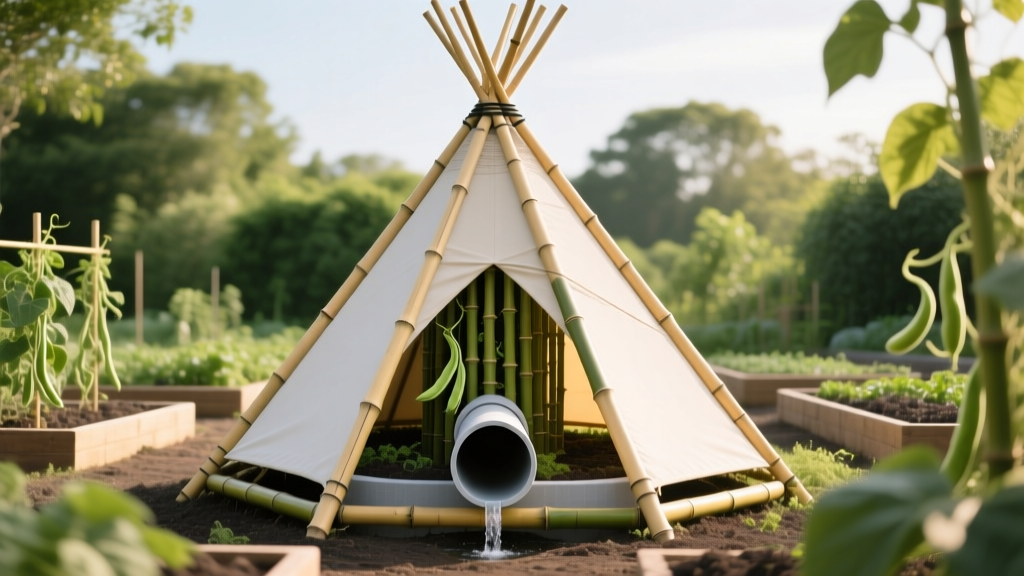
2026 Guide: Bamboo Bean Teepees & Landscape Drainage Pipe
Mike RodriguezPublished
The Evolution of the Pole Bean Teepee in 2026
Growing pole beans on a bamboo teepee is a timeless gardening tradition that maximizes vertical space, improves air circulation, and creates a stunning focal point in any vegetable garden. However, as climate patterns shift and spring seasons bring heavier, more unpredictable rainfall in 2026, gardeners are facing a common structural and horticultural challenge: waterlogged soil. When the base of a bamboo teepee sits in constantly moist topsoil, two major problems arise. First, the bamboo poles rapidly succumb to fungal rot at the soil line, often collapsing mid-season under the weight of a heavy bean harvest. Second, pole beans, which require consistent moisture but despise waterlogged root zones, suffer from root rot and fungal leaf diseases due to surface-level humidity and splashing mud.
To combat these issues, innovative urban farmers and master gardeners are integrating a surprising tool into their vegetable beds: the landscape drainage pipe. By utilizing a central landscape drainage pipe core and strategic perimeter drainage techniques, you can completely transform the longevity of your bamboo structures and the vigor of your pole bean crop. This comprehensive 2026 guide will walk you through the science, materials, and step-by-step construction of a drainage-enhanced bamboo bean teepee.
The Hidden Threat: Topsoil Moisture and Bamboo Rot
Bamboo is an incredible, sustainable material for garden trellising, but it is highly susceptible to moisture-driven decay when in direct, prolonged contact with wet earth. Traditional methods of preserving bamboo, such as charring the base or applying chemical sealants, are either labor-intensive or introduce unwanted toxins into organic vegetable beds. Furthermore, surface watering techniques keep the top two inches of soil perpetually damp, creating an ideal breeding ground for soil-borne pathogens that attack both the bamboo and the delicate feeder roots of your pole beans.
According to the University of Minnesota Extension, beans require about one inch of water per week, but this moisture must be delivered in a way that allows the soil surface to dry out between waterings to prevent disease. When heavy rains saturate the bed, the lack of subsurface drainage suffocates the roots. This is where modern landscape drainage infrastructure steps in to save the day.
The 2026 Solution: The Central Landscape Drainage Pipe Core
The most effective innovation for the 2026 gardening season is the 'Drainage-Core Teepee.' This technique involves installing a vertical section of perforated corrugated landscape drainage pipe directly in the center of the teepee footprint. This pipe acts as a subterranean irrigation well and a deep-soil aeration shaft. When you water the beans, you pour the water directly into the top of the pipe. The water percolates outward through the perforations directly into the deep root zone (12 to 18 inches below the surface), completely bypassing the topsoil. This keeps the surface dry, protecting the bamboo poles from rot and preventing fungal spores from splashing onto the lower bean leaves.
Comprehensive Materials List
To build a robust, drainage-enhanced teepee that will withstand the elements and support a massive yield of Scarlet Runner or Kentucky Wonder beans, gather the following materials:
- Eight 8-Foot Bamboo Poles: Sustainably harvested, mature bamboo with a minimum base diameter of 1.5 inches for structural integrity.
- 4-Inch Corrugated Landscape Drainage Pipe: You will need a 3-foot section of perforated HDPE pipe. In 2026, look for models with a pre-attached biodegradable geotextile sock to prevent soil and roots from clogging the perforations.
- Washed Gravel or Crushed Stone: Approximately one cubic foot of 3/4-inch gravel to create a French-drain-style base around the pipe.
- Heavy-Duty Jute Twine or UV-Resistant Zip Ties: For lashing the bamboo apex securely.
- Pole Bean Seeds or Transplants: Select vigorous climbing varieties suited to your specific 2026 climate zone.
- Compost and Organic Mulch: For top-dressing the bed after planting.
Step-by-Step Installation Guide
Step 1: Site Preparation and Perimeter Drainage
Before erecting the teepee, assess your garden bed's overall drainage. If your yard is prone to pooling water, you must first install a perimeter French drain. Dig a shallow trench around the circumference of your intended bean bed (about 3 feet in diameter). Lay a continuous loop of perforated landscape drainage pipe wrapped in landscape fabric, cover it with gravel, and route the outlet to a lower elevation or dry well. This ensures that heavy 2026 spring downpours are quickly wicked away from the bean bed, protecting the entire root system.
Step 2: Installing the Central Drainage Core
In the exact center of your 3-foot diameter planting circle, dig a hole 18 inches deep and 8 inches wide. Place a 3-foot section of your 4-inch perforated landscape drainage pipe vertically into the hole. The top of the pipe should sit about 2 inches above the final soil grade to prevent surface runoff and mulch from washing inside. Fill the gap between the outside of the pipe and the soil wall with washed gravel. This gravel envelope ensures rapid water dispersal and prevents soil compaction around the pipe's perforations.
Step 3: Erecting the Bamboo Poles
Arrange your eight bamboo poles in a circle around the central drainage pipe, leaving about 8 inches of space between the base of the poles and the gravel core. Push the base of each pole at least 6 inches into the soil. Because the central pipe and perimeter drainage are managing the subsurface water, the soil immediately surrounding the bamboo bases will remain relatively dry, drastically extending the life of the wood.
Step 4: Lashing the Apex
Gather the tops of the bamboo poles together. Cross them over one another to create a strong interlocking apex rather than just bundling them parallel. Wrap heavy-duty jute twine tightly around the intersection in a figure-eight pattern, securing it with a square knot. For extra durability in high-wind areas, you can use a heavy-duty carabiner or a specialized garden trellis cap to lock the poles in place.
Step 5: Planting and Mulching
Plant two pole bean seeds at the base of each bamboo pole, about one inch deep. Once the seeds germinate and the seedlings reach four inches tall, thin them to the strongest single plant per pole. Apply a two-inch layer of organic straw or shredded leaf mulch over the soil surface, keeping the mulch a few inches away from the bamboo bases and the central drainage pipe opening. As noted by Penn State Extension, proper mulching conserves deep moisture while suppressing weeds that compete with the beans' shallow feeder roots.
Comparison Chart: Traditional vs. Drainage-Core Teepee
| Feature | Traditional Bamboo Teepee | 2026 Drainage-Pipe Core Teepee |
|---|---|---|
| Bamboo Pole Lifespan | 1 to 2 Seasons (prone to base rot) | 4+ Seasons (bases remain dry) |
| Watering Efficiency | High surface evaporation, wet foliage | 100% subsurface delivery, zero evaporation |
| Disease Pressure | High risk of fungal splash and mildew | Dramatically reduced; surface stays dry |
| Root Zone Aeration | Compacts over time, poor oxygen flow | Central shaft provides continuous deep oxygen |
| Setup Time | 30 Minutes | 60 Minutes (includes digging core) |
Advanced Irrigation and Liquid Fertigation Techniques
One of the greatest advantages of the landscape drainage pipe core is the ease of deep watering and fertigation (applying liquid fertilizer). During the peak of summer in 2026, when surface temperatures soar and topsoil dries out rapidly, surface watering often fails to reach the deep taproots of mature pole beans. By pouring water directly into the central pipe, you deliver hydration exactly where the plant needs it most.
Furthermore, you can use this pipe to deliver organic liquid fertilizers, such as compost tea or fish emulsion, directly to the root zone. Simply mix your organic fertilizer in a watering can and pour it down the pipe once every three weeks during the flowering and pod-setting stages. This bypasses the topsoil, preventing nutrient lock-up and ensuring that the heavy-feeding beans receive an immediate, bioavailable nutrient boost without encouraging surface weeds.
Managing Perimeter Yard Drainage for the Bean Bed
While the central core handles targeted irrigation and deep aeration, the broader landscape drainage strategy must not be ignored. If your vegetable garden is situated in a low-lying area of your property, the entire bed may act as a sponge during heavy summer storms. In these scenarios, integrating a traditional French drain system using 4-inch solid-to-perforated landscape drainage pipe along the uphill side of your garden bed is crucial.
By digging a narrow trench on the higher elevation side of your garden, laying the perforated pipe wrapped in a geotextile sock, and backfilling with gravel, you create an interception drain. This system catches subsurface runoff before it ever reaches your bean teepee, ensuring that the soil structure remains friable and well-oxygenated. Healthy, oxygen-rich soil is the foundation of robust nitrogen-fixing bacteria on the bean roots, which is essential for a massive 2026 harvest.
Harvesting and End-of-Season Care
When autumn arrives and the pole beans finish producing, the benefits of your drainage-enhanced teepee continue. In a traditional setup, gardeners often have to dismantle the teepee and store the bamboo in a dry garage to prevent winter rot. With the drainage-core system, the bamboo bases are so well-protected from standing water and winter mud that you can leave the entire structure intact in the garden. Simply cut the dead bean vines at the soil line (leaving the nitrogen-rich roots in the earth to decompose) and wrap the apex twine with a fresh layer of UV-protective tape if needed.
Before the first hard freeze, cap the top of the landscape drainage pipe with a piece of hardware cloth or a specialized pipe cap to prevent rodents from using the dry, aerated gravel bed as a winter home. Uncover it in early spring, flush the pipe with a garden hose to clear any fine silt, and your teepee will be instantly ready for the 2026 planting season.
Conclusion
The integration of landscape drainage pipe technology into vertical vegetable gardening represents a major leap forward in structural longevity and plant health. By building a bamboo bean teepee around a central drainage and irrigation core, you eliminate the primary causes of bamboo rot and bean root disease. This 2026 technique not only saves you money on replacement trellising materials but also conserves water, reduces weeding, and promotes a highly oxygenated root environment. Whether you are growing heirloom Kentucky Wonders or vibrant Scarlet Runners, upgrading your teepee with landscape drainage infrastructure is the smartest investment you can make for your vertical garden this year.
