Gardening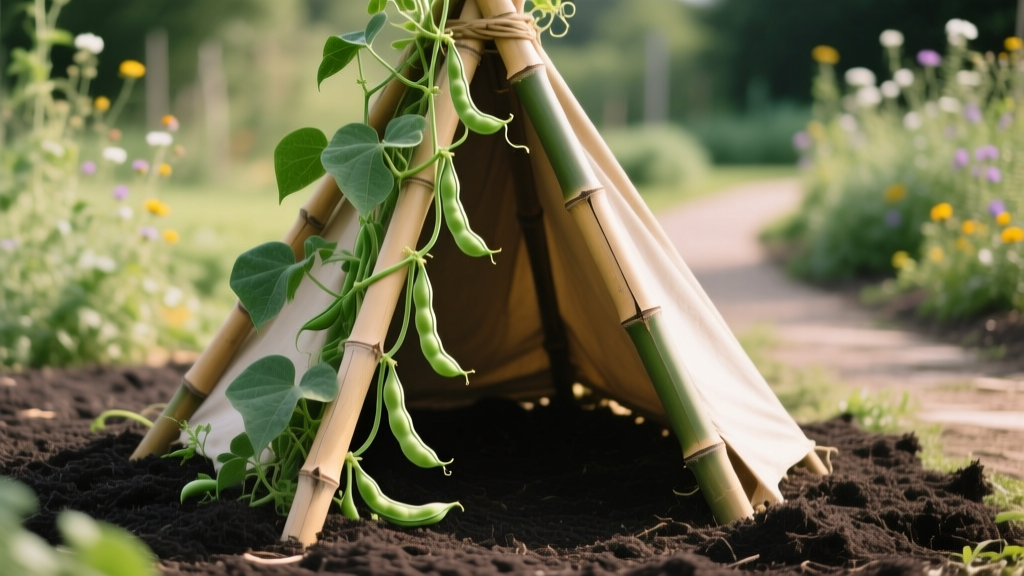
2026 Bamboo Bean Teepee & Mulching Guide for Pole Beans
Robert HayesPublished
The 2026 Approach to Vertical Pole Bean Cultivation
As home gardeners continue to embrace high-yield, space-efficient growing methods in 2026, vertical gardening remains at the forefront of sustainable landscape design. Pole beans are a quintessential crop for vertical systems, offering continuous harvests from midsummer until the first frost. However, the secret to a massive, disease-free harvest isn't just the structural support you provide above ground; it is equally dependent on the soil environment you cultivate below. This is where the intersection of structural engineering and mulching methods and materials becomes critical.
Constructing a bamboo bean teepee provides an elegant, highly functional, and eco-friendly trellis for your vining crops. Yet, many gardeners overlook the microclimate created by the teepee structure and the resulting moisture demands at the base. According to Penn State Extension's guide on growing beans, maintaining consistent soil moisture and preventing soil-borne diseases are the two most vital factors in maximizing pole bean yields. In this comprehensive guide, we will walk you through the exact steps to build a durable bamboo teepee and detail the specific mulching strategies required to support it.
Why Bamboo is the Superior Teepee Material
In 2026, sustainability and material longevity are top priorities for organic gardeners. Bamboo has emerged as the gold standard for bean teepees. Unlike treated lumber, which can leach unwanted chemicals into your edible garden beds, or metal poles, which can heat up in the summer sun and damage delicate bean tendrils, bamboo offers a natural, textured surface that bean vines can easily grip. It is incredibly strong, lightweight, and, when sourced responsibly, highly renewable. A well-cared-for set of thick-walled bamboo poles can last for several seasons, making it a cost-effective investment for your garden infrastructure.
The Hidden Challenge: The Teepee Rain Shadow and Mulch
Before diving into construction, it is essential to understand the 'Mulching Angle' of the bean teepee. Once your pole beans have fully covered the bamboo structure, the dense canopy of leaves creates a significant 'rain shadow.' This means that natural rainfall is intercepted by the foliage and drips off the outer edges of the teepee, leaving the soil at the very center—where the primary root zones and nitrogen-fixing bacteria reside—surprisingly dry.
Without a proper mulching strategy, the center soil will bake in the summer heat, stressing the plants and reducing yields. Furthermore, without a mulch barrier, heavy summer downpours can splash soil-borne fungal spores (such as rust or anthracnose) onto the lower leaves of the bean plants. Applying the correct mulch material at the base of your teepee solves both of these issues, acting as a moisture reservoir and a protective shield.
Materials Needed for Your Bamboo Bean Teepee
To construct a standard 6-foot diameter teepee, gather the following materials:
- Bamboo Poles: 6 to 8 poles, each 8 feet long and at least 1/2 inch thick at the base.
- Binding Material: Heavy-duty jute twine or biodegradable sisal rope.
- Soil Amendments: 2 bags of premium organic compost.
- Mulch Material: 3 to 4 cubic feet of your chosen organic mulch (detailed below).
- Seeds: High-quality pole bean seeds (e.g., Kentucky Blue, Scarlet Runner, or Blue Lake).
Step-by-Step Bamboo Teepee Construction
Step 1: Site Selection and Soil Preparation
Choose a location that receives a minimum of 8 hours of direct sunlight daily. Pole beans are heavy feeders and require well-draining soil. Amend the top 6 inches of your garden bed with organic compost. Avoid high-nitrogen fertilizers; as noted by the University of Minnesota Extension, beans fix their own nitrogen from the air, and excess soil nitrogen will result in lush foliage but very few bean pods.
Step 2: Positioning the Poles
Draw a circle roughly 3 to 4 feet in diameter in the center of your prepared bed. Space your 6 to 8 bamboo poles evenly around the perimeter of this circle. Push the bottom of each pole at least 6 to 8 inches deep into the soil to ensure structural stability against high winds.
Step 3: Tying the Apex
Lean all the poles inward so they meet at a central point about 6 feet above the ground. Wrap your jute twine tightly around the intersection of the poles. Use a square lashing technique to secure them firmly, tying off the twine with a sturdy knot.
Step 4: Planting and Initial Watering
Plant two pole bean seeds at the base of each bamboo pole, about 1 inch deep. Water the entire planting area deeply to initiate germination.
Selecting the Best Mulch Materials for Pole Beans
Not all mulches are created equal, especially when dealing with nitrogen-fixing legumes like pole beans. The Penn State Extension Mulching Guide emphasizes matching the mulch material to the specific nutritional and moisture needs of the crop. Below is a comparison of the most common mulching materials and their suitability for a bean teepee environment.
| Mulch Material | Moisture Retention | Weed Suppression | Impact on Soil Nitrogen | Verdict for Pole Beans |
|---|---|---|---|---|
| Organic Wheat Straw | Excellent | Very Good | Neutral | Best Overall: Allows airflow, retains moisture, and doesn't tie up nitrogen. |
| Dried Grass Clippings | Good | Moderate | Adds Nitrogen | Great Alternative: Must be dried first to prevent matting and overheating. |
| Shredded Leaf Mold | Excellent | Good | Neutral/Slight Add | Excellent: Improves soil structure as it breaks down rapidly. |
| Arborist Wood Chips | Excellent | Excellent | Ties up Surface Nitrogen | Avoid: Can cause temporary nitrogen deficiency at the soil surface. |
| Pine Needles | Good | Good | Neutral | Good: Slightly acidic, but works well if your soil pH is naturally alkaline. |
Proper Mulch Application Techniques
Once your bean seedlings have emerged and reached a height of about 3 to 4 inches, it is time to apply your mulch. Follow these best practices to ensure the health of your root systems:
- Water Deeply First: Never apply mulch to dry soil. Give the base of the teepee a thorough, slow soaking so the moisture is trapped beneath the mulch layer.
- Mind the Depth: Apply a layer of straw or leaf mold that is 2 to 3 inches thick. This is deep enough to suppress weeds and regulate soil temperature, but shallow enough to allow oxygen to reach the soil microbes.
- Leave a Stem Buffer: Keep the mulch about 1 to 2 inches away from the immediate base of the bean stems. Piling mulch directly against the stems (often called 'volcano mulching') can trap excess moisture against the plant tissue, leading to stem rot and inviting pests like slugs and sowbugs.
- Cover the Entire Root Zone: Remember the rain shadow effect. Ensure the mulch extends from the base of the poles all the way to the outer drip line of the teepee, covering the entire area where the bean roots are actively foraging for water.
Companion Planting and Mulch Synergy
In 2026, holistic garden ecosystems are highly favored. The base of your bean teepee offers prime real estate for companion planting. Planting fast-growing radishes or trailing nasturtiums around the perimeter of the teepee can help deter pests and maximize space. The mulch layer plays a vital role here as well. Radishes prefer cool soil temperatures to develop crisp, non-spicy roots, and a 2-inch layer of straw mulch will keep the soil remarkably cool even during the peak heat of July and August. Nasturtiums act as a trap crop for aphids, and their broad leaves will eventually weave into the mulch layer, providing a secondary 'living mulch' that further conserves soil moisture.
Seasonal Maintenance and Mid-Summer Top-Ups
Organic mulches like straw and grass clippings will naturally decompose over the course of the growing season, aided by the moisture and the nitrogen-fixing bacteria present in the bean root zone. By mid-summer, you will likely notice the mulch layer thinning out.
To maintain the weed-suppressing and moisture-retaining benefits, plan to top up the mulch layer in late July or early August. Before adding more mulch, gently scratch the surface of the existing decomposing layer with a hand cultivator to prevent it from forming a hydrophobic crust. Apply another 1 to 2 inches of fresh straw. This mid-season refresh ensures that your pole beans have the consistent soil environment they need to produce heavily right up until the autumn frosts.
Harvesting and End-of-Season Cleanup
Harvest your pole beans frequently to encourage continuous flowering. When navigating the teepee, the bamboo poles and sturdy mulch base provide excellent footing, preventing soil compaction around the delicate root zones. At the end of the 2026 growing season, do not pull the bean plants out by the roots. Instead, cut the vines at the soil surface with pruning shears. This leaves the nitrogen-rich root nodules in the soil to decompose and feed next year's crops. The remaining bamboo structure can be left in place, and the old mulch can be lightly tilled into the bed or added to your compost pile, completing the sustainable cycle of your garden ecosystem.
