Gardening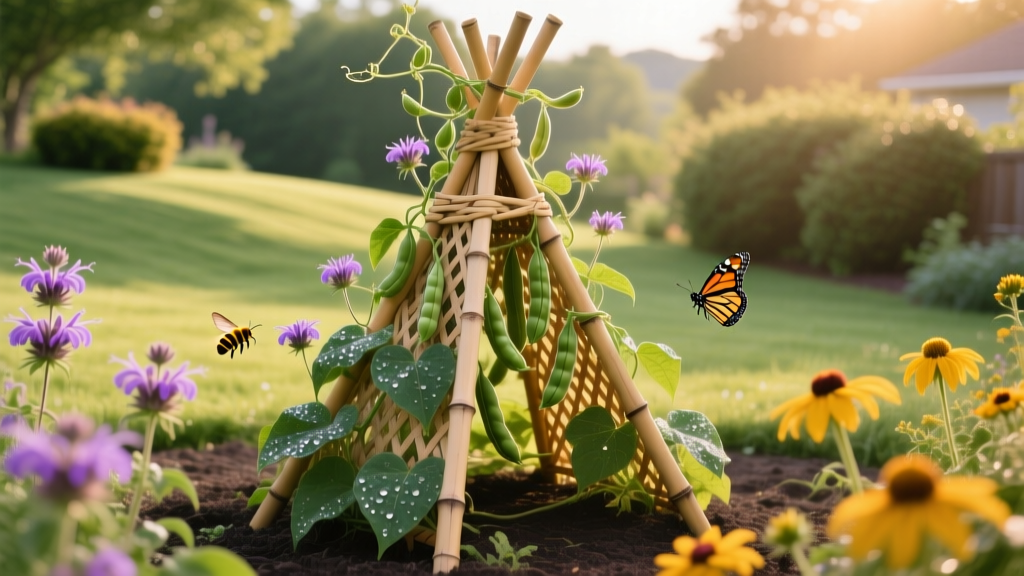
2026 Guide: Bamboo Bean Teepees For Pollinator Gardens
Emily WatsonPublished
Introduction to the 2026 Pollinator-Friendly Bean Teepee
As we navigate the 2026 gardening season, the shift toward hyper-local pollinator corridors and vertical polycultures has never been more pronounced. Gardeners are no longer just growing food; they are cultivating thriving ecosystems. One of the most effective, visually striking, and ecologically beneficial structures you can add to your landscape is a bamboo bean teepee. When designed with a pollinator-first mindset, a simple bean teepee transforms into a towering vertical habitat that provides nectar, pollen, and shelter for essential insects.
Traditional teepees often focus solely on crop yield, but the 2026 approach integrates companion planting, ground-level microhabitats, and sustainable material sourcing. By utilizing sustainably harvested bamboo poles and interplanting pole beans with pollinator-friendly flora, you create a multi-tiered garden feature. This guide will walk you through the exact construction methods, plant selections, and ecological strategies needed to build a bamboo bean teepee that serves both your kitchen and your local bee populations.
Materials and Tools Needed for 2026 Construction
Before breaking ground, gather your materials. Sourcing sustainable bamboo is critical, as the environmental impact of your garden structure matters just as much as the plants growing on it. Look for Forest Stewardship Council (FSC) certified bamboo or locally sourced invasive cane species if available in your region.
- 8 Bamboo Poles: 8 to 10 feet in length, approximately 1 to 1.5 inches in diameter. (In 2026, expect to pay around $3.50 to $5.00 per pole at local garden centers).
- Natural Jute Twine: 100% biodegradable, heavy-duty. Avoid synthetic nylon, which can degrade into microplastics and harm ground-foraging bees.
- Compost and Organic Matter: 2 to 3 bags of OMRI-listed organic compost for soil amendment.
- Seeds: Pole bean seeds and companion pollinator flower seeds (detailed below).
- Tools: A rubber mallet, sharp pruning shears, a measuring tape, and a garden trowel.
Step-by-Step Bamboo Teepee Construction
Step 1: Site Selection and Soil Preparation
Choose a location that receives a minimum of 6 to 8 hours of direct sunlight daily. Pole beans and most pollinator flowers require full sun to produce abundant blooms and nectar. Clear a circular area approximately 5 feet in diameter. Loosen the soil to a depth of 12 inches and incorporate 3 inches of high-quality organic compost. According to the University of Minnesota Extension, beans thrive in well-draining soil with a pH between 6.0 and 7.0, making proper soil preparation a non-negotiable first step.
Step 2: Placing the Bamboo Poles
Measure and mark a perfect 5-foot diameter circle using a string and a central stake. Mark 8 equidistant points along the perimeter. Using your rubber mallet, gently drive the thick end of each bamboo pole about 6 to 8 inches into the ground. This depth provides crucial anchorage against high summer winds while preventing the base of the bamboo from rotting due to surface moisture.
Step 3: Lashing the Apex
Gather the tops of all 8 poles together. They should naturally cross and overlap about 12 to 18 inches from the top. Wrap the jute twine tightly around the intersection in a figure-eight pattern, securing the poles together. Finish with a square knot and trim the excess twine. Leave the top slightly open to allow rain to enter the center of the teepee, which helps water the deep-rooted plants at the base.
Step 4: Cross-Bracing for Wind Resistance
To ensure your structure survives heavy 2026 summer storms, weave thinner bamboo sticks or use additional jute twine horizontally around the teepee at 3-foot and 5-foot heights. This creates a ladder-like structure that gives the pole beans more surface area to climb and significantly increases the structural integrity of the entire installation.
Choosing the Right Pole Beans and Pollinator Companions
The secret to a pollinator-friendly teepee lies in biodiversity. Monocultures do not support complex food webs. By interplanting your pole beans with specific flowering companions, you attract a wider variety of beneficial insects, predatory wasps, and native bees. As noted in the Old Farmer's Almanac, companion planting not only aids in pest control but also maximizes spatial efficiency in vertical gardens.
| Plant Type | Recommended 2026 Variety | Pollinator Benefit | Growth Habit |
|---|---|---|---|
| Pole Bean | Scarlet Runner Bean | Produces bright red flowers that are highly attractive to hummingbirds and bumblebees. | Vigorous climbing vine (up to 10 ft) |
| Pole Bean | Kentucky Wonder | Classic white/purple blooms that provide accessible nectar for smaller native sweat bees. | Fast-growing climbing vine |
| Companion Flower | Nasturtium 'Jewel Mix' | Acts as a trap crop for aphids while attracting predatory hoverflies and wasps. | Trailing base cover / Climbing |
| Companion Flower | Borage 'Starflower' | A legendary honeybee magnet; continuously refills its nectar reserves every few minutes. | Bushy, sprawling base plant |
| Companion Flower | Sweet Alyssum | Provides essential landing pads and nectar for tiny parasitic wasps that control caterpillars. | Low-growing ground cover |
Planting, Training, and Maintenance
Plant your pole bean seeds 1 inch deep and 6 inches apart around the base of each bamboo pole. Water gently but thoroughly. In the spaces between the poles, broadcast sow your Sweet Alyssum and plant your Borage and Nasturtium seeds. This creates a dense, living mulch that retains soil moisture and suppresses weeds without the need for synthetic herbicides.
As the beans emerge, they will naturally seek out the bamboo poles. Gently guide the young tendrils toward the poles if they stray. Avoid using chemical fertilizers high in nitrogen; beans fix their own nitrogen from the atmosphere, and excess nitrogen will result in lush foliage but very few flowers, which defeats the purpose of your pollinator haven.
Creating a Ground-Level Pollinator Microhabitat
The Xerces Society for Invertebrate Conservation emphasizes that over 70% of native bee species are ground-nesting. Your bean teepee offers a unique opportunity to support these crucial, often-overlooked pollinators. Leave a few small, unplanted patches of bare, undisturbed soil inside the teepee's center. Avoid mulching these specific spots with heavy wood chips or landscape fabric. Ground-nesting bees, such as sweat bees and mining bees, need direct access to the soil to dig their nesting burrows.
Additionally, you can bundle small, hollow bamboo offcuts from your construction process and tie them horizontally to the cross-braces of the teepee. These serve as perfect nesting cavities for solitary mason bees and leafcutter bees, turning your vertical garden structure into a multi-functional insect hotel.
End of Season Teardown and 2027 Preparation
At the end of the growing season, once the first hard frost has killed back the vines, do not immediately rip everything out. Leave the dead bean vines and flower stalks standing through the winter. Many beneficial insects and pollinators overwinter in hollow stems and dead plant debris. In early spring of 2027, cut the stalks down and compost them, then inspect your bamboo poles. Wipe them down with a mild vinegar solution to prevent fungal growth, store them in a dry, covered area, and they will be ready to support another year of pollinator-friendly vertical gardening.
Conclusion
Building a bamboo bean teepee in 2026 is about more than just harvesting a summer crop of fresh green beans. It is a deliberate act of ecological landscaping. By combining sustainable construction materials, vertical polyculture planting strategies, and dedicated microhabitats for ground-nesting and solitary bees, you transform a simple garden feature into a vital node in your local pollinator corridor. Follow these steps, and your garden will buzz with life, color, and productivity all season long.
