Gardening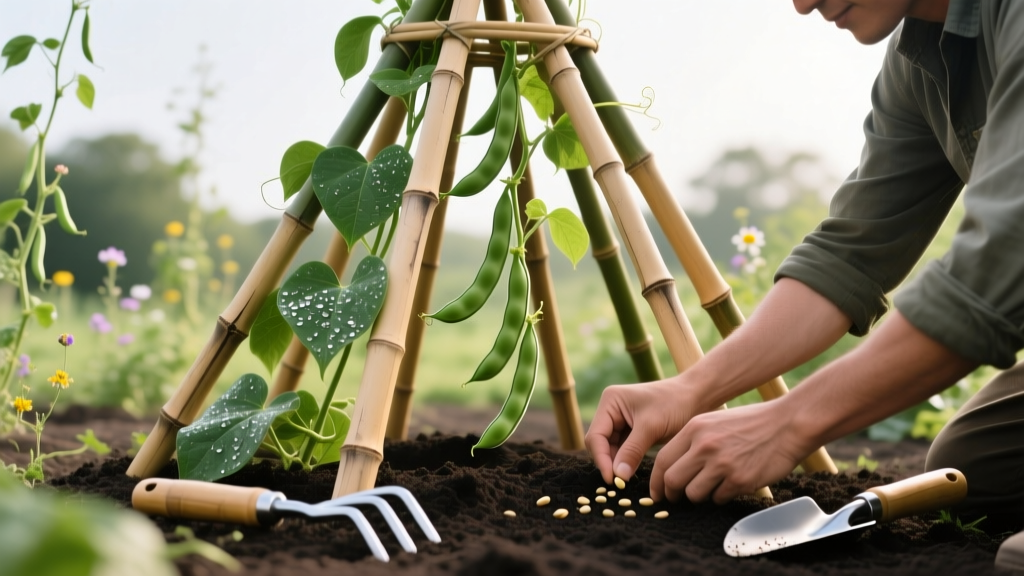
2026 Bamboo Bean Teepee Guide: Aeration & Seeding Tips
Anna KowalskiPublished
The 2026 Approach to Vertical Gardening: Beyond the Structure
As we move through the 2026 growing season, vertical gardening continues to dominate home landscape designs, offering incredible yields in small footprints. The classic bamboo bean teepee remains a beloved centerpiece for vegetable gardens, providing a stunning architectural element while producing pounds of fresh pole beans. However, many gardeners focus entirely on the aesthetics of the bamboo structure and completely neglect the subterranean foundation. From an agronomic perspective, the success of your bean teepee relies almost entirely on two critical phases: precise soil aeration and strategic seeding. Without a highly oxygenated root zone and properly inoculated seeds, even the most beautifully lashed bamboo teepee will yield stunted, unproductive vines.
In this comprehensive guide, we will explore the intersection of structural garden design and soil science. By prioritizing deep soil aeration and biological seeding strategies, you can create a thriving microclimate that supports the heavy feeding and deep rooting requirements of pole beans (Phaseolus vulgaris).
Why Soil Aeration is the Secret to Towering Pole Beans
Pole beans are vigorous climbers that can reach heights of eight to ten feet in a single season. To support this massive top-growth, they develop an extensive taproot and a wide network of lateral roots. When soil is compacted, oxygen levels in the rhizosphere plummet. This lack of aeration restricts root penetration, limits water infiltration, and severely hampers the development of nitrogen-fixing nodules. According to the University of Minnesota Extension, beans require loose, well-drained soil to thrive, as heavy, compacted clay can lead to root rot and poor germination.
In 2026, the regenerative gardening movement has largely moved away from aggressive rototilling, which destroys soil aggregates and severs vital mycorrhizal fungal networks. Instead, we recommend targeted, deep aeration specifically within the footprint of your planned teepee.
Step-by-Step Aeration for the Teepee Footprint
- Define the Circle: Mark out a 4-foot diameter circle where your teepee will stand. This is your active aeration and planting zone.
- Broadforking: Use a 4-tine or 5-tine broadfork to fracture the soil down to a depth of 12 to 18 inches. Step the fork into the ground and pull back gently to crack the soil open without turning it over. This preserves the soil profile while introducing vital oxygen.
- Core Aeration (For Heavy Clay): If you are dealing with dense clay soils, follow up with a manual step-on core aerator to pull out 3-inch plugs of soil across the circle. Leave the plugs on the surface to break down naturally.
- Top-Dressing: After aerating, apply a 1-inch layer of premium screened compost mixed with worm castings. Water deeply to help the organic matter wash down into the aeration channels, feeding the soil biology.
Constructing Your Bamboo Bean Teepee
Once your soil is properly aerated and amended, it is time to erect the structure. For a standard, highly productive teepee, you will need six to eight bamboo poles, each measuring 8 to 10 feet in length and at least 1 inch in diameter at the base.
- Placement: Insert the thick end of each bamboo pole about 6 to 8 inches into the aerated soil, spacing them evenly around the perimeter of your 4-foot circle. Because the soil was recently broadforked, insertion should be relatively easy, but avoid driving them so deep that you compact the newly aerated subsoil.
- Gathering the Apex: Lean all the poles inward so they cross each other about a foot from the top. Ensure the structure is balanced and the base poles are firmly seated.
- Lashing: Secure the apex using heavy-duty jute twine or natural hemp rope. Use a figure-eight lashing pattern, wrapping tightly around each intersection to create a rigid, wind-resistant joint. Avoid using plastic zip-ties, as they can slice into the bamboo over time and degrade in the sun.
- Horizontal Support: For extra stability and more climbing surface area, weave flexible willow branches or tie horizontal bamboo cross-pieces between the vertical poles at 2-foot and 4-foot heights.
Mastering the Seeding Phase: Inoculation and Placement
With the structure in place and the soil aerated, the next critical step is seeding. Pole beans are legumes, meaning they have the remarkable ability to fix atmospheric nitrogen into a usable form, but only if they partner with the correct soil bacteria. Seeding in 2026 requires a biological approach to ensure maximum vigor.
The Importance of Rhizobium Inoculants
Before planting, coat your pole bean seeds with a high-quality Rhizobium leguminosarum biovar phaseoli inoculant. This specific bacterial strain is essential for beans. While these bacteria may exist naturally in your garden, aeration and previous crop rotations can deplete their populations. Dampen the seeds slightly with water, sprinkle the inoculant powder over them in a bag, and shake until they are evenly coated. This ensures that the moment the seed germinates, the bacteria are present to infect the emerging roots and form nitrogen-fixing nodules.
Precise Seeding Depth and Spacing
According to The Old Farmer's Almanac, beans should be planted directly in the garden after the danger of frost has passed and soil temperatures have reached at least 60°F (16°C). Cold, wet, poorly aerated soil will cause seeds to rot before they germinate.
- Depth: Plant the inoculated seeds 1 to 1.5 inches deep. In lighter, sandier soils, plant slightly deeper to reach moisture; in heavier clay soils, plant shallower to prevent crusting and suffocation.
- Spacing: Plant two seeds at the base of every bamboo pole. This provides a backup in case one seed fails to germinate. If both sprout, you can either let them both climb the pole or snip the weaker seedling at the soil line.
- Watering In: After covering the seeds with soil, water gently using a misting nozzle. A heavy stream of water will wash away the inoculant and cause the soil surface to seal, negating your aeration efforts and preventing seedling emergence.
2026 Top Pole Bean Varieties for Teepee Structures
Not all pole beans respond to soil aeration and microclimates in the same way. Below is a comparison of top-performing varieties for the 2026 season, selected for their vigor and adaptability to teepee structures.
| Variety | Days to Maturity | Pod Characteristics | Aeration & Soil Preference |
|---|---|---|---|
| Kentucky Blue | 60-65 Days | 6-7 inch, dark green, stringless | Highly adaptable; thrives in well-aerated loam but tolerates moderate clay if core-aerated. |
| Purple Podded Pole | 65-70 Days | 5-6 inch, vibrant purple (turns green when cooked) | Excellent for cooler, denser soils; the purple anthocyanins help seedlings push through slightly compacted topsoil. |
| Scarlet Runner | 75-90 Days | Edible when young; grown mostly for stunning red flowers | Heavy feeder with massive tuberous roots; requires the deepest broadfork aeration (18+ inches) for optimal nodule formation. |
| Rattlesnake | 65-75 Days | 7-8 inch, streaked green/purple, excellent flavor | Highly drought-tolerant once established; prefers sandy loam where natural aeration is high. |
Ongoing Care: Protecting the Aerated Zone
Once your seeds have germinated and the vines begin to twine up the bamboo poles, your focus must shift to protecting the aerated soil structure you worked so hard to create. The base of a bean teepee is a high-traffic area. As you step in to harvest pods every few days, foot traffic will quickly re-compact the soil, squeezing out the oxygen and crushing the delicate nitrogen-fixing nodules on the shallow lateral roots.
To prevent this, apply a 2-to-3-inch layer of organic mulch—such as straw, shredded leaves, or grass clippings—around the base of the teepee immediately after the seedlings have established their first set of true leaves. This mulch layer acts as a physical buffer against foot traffic compaction, retains soil moisture during the heat of late summer, and slowly breaks down to feed the soil microbiome.
Watering should be done at the base of the plants using a drip line or soaker hose woven through the mulch. Overhead watering not only wastes water through evaporation but also wets the foliage, creating an environment ripe for powdery mildew and rust, which can decimate a teepee's canopy by late August.
Harvesting for Continuous Production
The biological drive of a pole bean is to produce seeds for the next generation. If you leave mature, bulging pods on the vine, the plant will receive a hormonal signal that its reproductive cycle is complete, and it will cease flowering. To maintain a continuous harvest from mid-summer until the first frost of 2026, pick the beans when they are young, tender, and before the seeds inside begin to visibly bulge. Frequent harvesting, combined with the deep root aeration and robust initial seeding strategy outlined above, will ensure your bamboo bean teepee remains a highly productive and beautiful focal point in your garden all season long.
