Gardening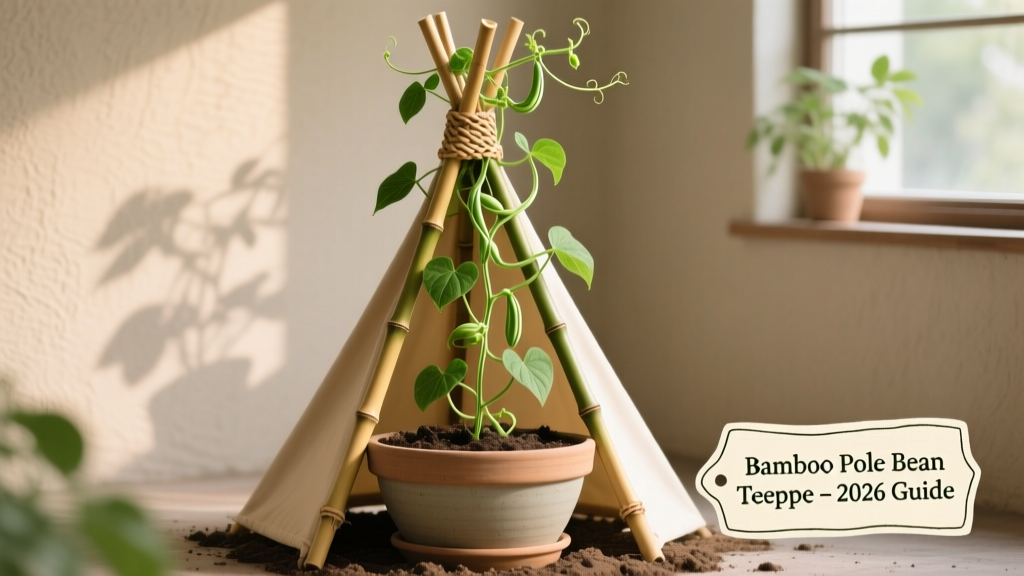
2026 Container Bean Teepee: Bamboo Pole Setup Guide
Sarah ChenPublished
As urban and patio gardening continues to dominate home horticulture trends in 2026, maximizing vertical space in container gardens has never been more essential. Pole beans are among the most rewarding crops to grow vertically, offering high yields, beautiful foliage, and a relatively small footprint. When grown in containers, a traditional bamboo bean teepee not only provides the necessary structural support for these vigorous climbers but also serves as a stunning architectural focal point on your deck, balcony, or patio.
Constructing a bean teepee specifically for container and pot gardening requires a slightly different approach than building one in a traditional in-ground garden bed. You must account for the container's volume, weight distribution, wind resistance, and the unique moisture dynamics of potted soil. This comprehensive 2026 guide will walk you through selecting the right materials, constructing a durable bamboo teepee, and maintaining your potted pole beans for a bountiful harvest.
Choosing the Right Container for a Bean Teepee
The foundation of a successful container bean teepee is the pot itself. Pole beans develop extensive root systems and require significant soil volume to thrive, retain moisture, and support the heavy top-growth of a fully loaded teepee. In 2026, the most successful container gardeners are moving away from standard 5-gallon buckets and opting for high-volume, wide-based planters that provide stability against wind.
- Half-Barrels or Wine Barrels: These classic wooden planters hold roughly 25 to 30 gallons of soil. Their wide base (usually 24 to 28 inches in diameter) provides excellent stability for an 8-foot bamboo teepee and enough volume to support 6 to 8 bean plants.
- Heavy-Duty Fabric Grow Bags (20+ Gallons):strong> Modern 2026 fabric pots feature reinforced handles and UV-resistant stitching. A 20-gallon grow bag offers superior drainage and air-prunes the roots, preventing the plants from becoming root-bound. However, they are lighter than wooden or resin planters, so you may need to place them in a sheltered corner or add a layer of gravel at the very bottom for ballast.
- Large Resin Planters: Look for frost-resistant, double-walled resin planters with a minimum capacity of 15 to 20 gallons. Ensure they have multiple drainage holes, as beans despise waterlogged soil.
Selecting the Best Bamboo Poles
Bamboo remains the gold standard for garden trellises due to its tensile strength, lightweight nature, and sustainability. For a container teepee, you need poles that are tall enough to provide ample climbing space but not so tall that they make the pot top-heavy and prone to tipping.
Aim for bamboo poles that are 8 to 9 feet in length. Once inserted 6 inches into the potting soil and lashed at the top, this will yield a finished teepee height of about 7 to 7.5 feet, which is perfect for harvesting without a ladder. The diameter of the bamboo should be at least 1/2 inch to 3/4 inch at the base to withstand the weight of mature bean vines and summer winds. When sourcing bamboo in 2026, look for FSC-certified suppliers or local growers who harvest sustainably, ensuring the poles have been properly cured and treated with a natural, non-toxic sealant to prevent rotting at the soil line.
Top Pole Bean Varieties for Container Teepees
Not all pole beans perform equally well in the confined environment of a container. You want varieties that are vigorous but not overly sprawling, with high disease resistance. According to the University of Minnesota Extension, selecting disease-resistant varieties is crucial for maintaining plant health in the unique microclimate of a patio container.
| Variety | Type | Days to Maturity | Container Suitability |
|---|---|---|---|
| Scarlet Runner | Ornamental / Edible | 65-75 days | Excellent; attracts pollinators with bright red flowers. |
| Kentucky Wonder | Green Snap Bean | 60-65 days | Very Good; reliable, heavy-yielding classic. |
| Rattlesnake | Green / Shelling | 65-75 days | Excellent; highly heat-tolerant, great for sunny patios. |
| Blue Lake Pole | Green Snap Bean | 55-60 days | Good; tender pods, requires consistent container watering. |
Step-by-Step Bamboo Teepee Construction
Building your teepee directly in the container ensures the structure is anchored exactly where the roots will grow. Follow these steps for a rock-solid setup.
Step 1: Fill and Prep the Container
Fill your chosen container with a high-quality organic potting mix, leaving about 2 inches of space from the rim. Do not use in-ground garden soil, as it will compact and suffocate roots in a container environment. Mix in a slow-release organic granular fertilizer formulated for vegetables.
Step 2: Insert the Bamboo Poles
For a standard 24-inch wide half-barrel, use 6 to 8 bamboo poles. Arrange them in a circle, spacing them about 6 to 8 inches apart along the inner edge of the pot. Push the thick end of each pole at least 4 to 6 inches deep into the soil. Firm the soil tightly around each pole to create a solid anchor.
Step 3: Lash the Apex
Gather the tops of the poles together. You will need a sturdy, biodegradable jute twine or hemp cord. Wrap the twine tightly around the bundled tops in a figure-eight pattern, crisscrossing between each pole to prevent them from slipping. Tie off with a secure square knot. For extra durability in high-wind areas, you can use a heavy-duty zip tie for the initial bind, then wrap the jute twine over it for a natural aesthetic.
Step 4: Add Horizontal Bracing
To give the beans more horizontal rungs to climb and to add structural integrity to the teepee, tie horizontal bamboo stakes or thick willow branches between the main poles at 2-foot and 4-foot heights. Use the same jute twine to lash the intersections securely.
Container Soil Mix and Planting Strategy
The soil in a container dries out faster and loses nutrients more quickly than in-ground soil. A premium 2026 potting mix should include peat moss or coco coir for moisture retention, perlite for drainage, and compost for slow-release nutrients.
Before planting, it is highly recommended to treat your bean seeds with a legume inoculant. As noted by Penn State Extension, inoculants contain beneficial rhizobia bacteria that help bean plants fix atmospheric nitrogen, which is especially vital in the nutrient-limited environment of a container garden. Plant 2 seeds at the base of each bamboo pole, about 1 inch deep. Once they germinate and reach 3 inches tall, thin to the strongest single plant per pole.
Ongoing Care, Watering, and Harvesting
Container pole beans require vigilant maintenance, particularly regarding moisture. Because the teepee structure creates a dense canopy of leaves, the soil can dry out rapidly on hot summer days, even if the top layer feels slightly damp.
- Watering: Water deeply when the top inch of soil feels dry. In the peak of summer, this may mean watering your container teepee every single day. Consider installing a simple drip irrigation ring connected to a smart timer to ensure consistent moisture without wetting the foliage, which can lead to fungal diseases like powdery mildew.
- Fertilizing: Because frequent watering leaches nutrients from the pot, apply a liquid kelp or fish emulsion fertilizer every three weeks once the plants begin to flower. Avoid high-nitrogen fertilizers, which will promote excessive leafy growth at the expense of bean production.
- Training the Vines: Pole beans naturally twine counter-clockwise. In the first two weeks of growth, gently guide the young vines around the bamboo poles in a counter-clockwise direction. Once they find their grip, they will rapidly scale the teepee on their own.
- Harvesting: Harvest snap beans when the pods are firm and crisp, before the seeds inside begin to bulge. Frequent harvesting signals the plant to produce more flowers and pods, extending your yield well into the autumn months.
By combining the vertical efficiency of a bamboo teepee with the flexibility of container gardening, you can enjoy a massive harvest of fresh, crisp pole beans right on your patio. With the right pot size, sturdy materials, and consistent care, your 2026 container bean teepee will be both a productive food source and a beautiful garden centerpiece.
