Pest Control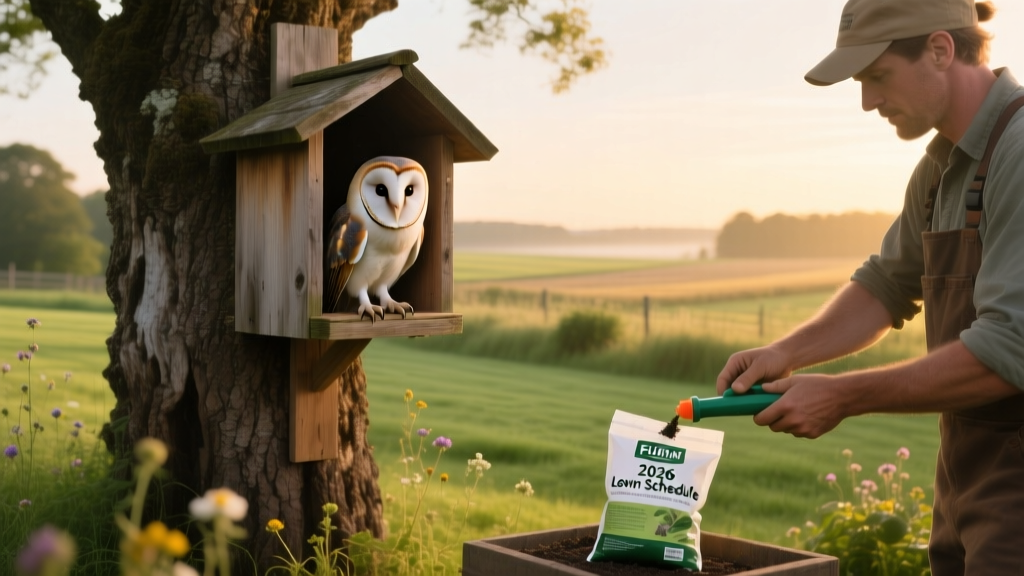
2026 Owl Box Placement & Fertilizer Schedules for Rodent Control
Anna KowalskiPublished
The Hidden Link Between Lawn Fertilization and Rodent Infestations
When homeowners think of rodent control, they rarely consider their lawn fertilizer schedule. However, as integrated pest management (IPM) strategies evolve in 2026, turfgrass scientists and wildlife biologists are increasingly highlighting the profound connection between soil nutrition, grass growth habits, and local rodent populations. Over-fertilizing your lawn—particularly with quick-release synthetic nitrogen—creates a lush, dense canopy and accelerates thatch accumulation. This thick layer of organic debris and tall grass provides the perfect protective habitat and nesting material for destructive rodents like voles, field mice, and Norway rats.
Voles, in particular, thrive in lawns that receive heavy spring nitrogen applications. The resulting rapid shoot growth creates a subterranean highway system beneath the grass blades, protecting them from aerial predators. Because rodents breed rapidly in these ideal conditions, traditional pest control methods often fall short. Furthermore, with widespread 2026 municipal bans on second-generation anticoagulant rodenticides (SGARs) due to their devastating secondary poisoning effects on local wildlife, homeowners must pivot toward sustainable, biological control methods. Enter the barn owl: nature's most efficient rodent-hunting machine.
Why 2026 is the Year of Biocontrol
A single family of barn owls can consume over 3,000 rodents in a single breeding season. By strategically placing barn owl nesting boxes on your property, you invite these apex avian predators to manage your rodent population naturally. However, simply hanging a box in a random tree is not enough. To maximize the effectiveness of this biocontrol method, you must align your owl box placement and maintenance with your seasonal fertilizer applications. Understanding where your fertilizer promotes the heaviest growth will tell you exactly where rodents will congregate, and consequently, where your owls need to hunt.
According to the Cornell Lab of Ornithology, barn owls prefer to hunt in open areas with low to moderate ground cover. If your fertilizer schedule creates impenetrable, three-foot-tall weedy patches or excessive thatch, owls cannot hear or reach the rodents beneath. Therefore, balancing your nutrient inputs is just as critical as the physical placement of the nesting box.
Integrated 2026 Fertilizer and Owl Box Schedule
To successfully merge turfgrass nutrition with wildlife biocontrol, you need a synchronized calendar. The table below outlines a holistic 2026 schedule that balances lawn health with optimal rodent biocontrol.
| Season | Fertilizer Type & Application | Rodent Risk Level | Owl Box Action & IPM Strategy |
|---|---|---|---|
| Early Spring (March - April) | Slow-release organic nitrogen (e.g., feather meal or compost). Focus on root development. | Moderate (Emerging from winter) | Install or clean out boxes. Ensure boxes face the zones scheduled for spring fertilization. |
| Late Spring (May - June) | Low-nitrogen, high-potassium blend to prevent excessive thatch and shoot overgrowth. | High (Peak breeding season) | Monitor boxes for nesting activity. Avoid all chemical rodenticides to protect owlets. |
| Summer (July - August) | Skip heavy fertilization. Apply iron-only supplements for color without promoting rodent-hiding growth. | Moderate (Seeking shade/moisture) | Owls will hunt heavily near irrigated, fertilized oasis zones. Ensure clear flight paths. |
| Fall (September - October) | Winterizer fertilizer (High Potassium, moderate slow-release Nitrogen) to harden roots. | High (Foraging for winter stores) | Post-breeding box inspection. Owls consume massive amounts of rodents before winter roosting. |
Step-by-Step Barn Owl Nesting Box Placement
Proper placement of your barn owl box is critical for occupancy and hunting success. When mapping out your property, consider the zones that receive your most aggressive fertilizer treatments, as these will be the primary rodent hotspots.
1. Height and Mounting
Mount your barn owl box 15 to 20 feet above the ground. You can mount it on a dedicated metal pole, the side of a large barn, or a mature, isolated tree. Avoid placing it directly in the middle of a dense, heavily fertilized grove of trees; owls need a clear, unobstructed flight path to swoop down onto the turf below.
2. Direction and Sunlight
Face the entrance hole toward the East or Southeast. This orientation protects the nesting cavity from harsh, prevailing winter winds and afternoon sun, keeping the owlets at a stable temperature. Ensure the box faces an open, fertilized lawn area or pasture where rodents are likely to forage on tender new grass shoots.
3. Proximity to Fertilized Zones
Place the box within 100 to 200 yards of your most lush, irrigated, and fertilized lawn sectors. Voles and mice are drawn to the tender, nitrogen-rich grass blades and the protective thatch layer that synthetic fertilizers often produce. Positioning the box nearby minimizes the energy owls expend while hunting, increasing the overall predation rate on your property.
4. Spacing for Multiple Boxes
If you have a large estate or extensive agricultural land, space multiple boxes at least one-quarter mile apart. Barn owls are territorial during the breeding season, and crowding boxes will result in abandoned nests.
Choosing the Right Fertilizer Types to Minimize Rodent Attraction
Not all fertilizers create the same turfgrass architecture. The type of fertilizer you choose directly impacts the micro-habitat available to rodents. As noted by the University of Minnesota Extension, proper nutrient management prevents excessive thatch buildup, which is a primary driver of vole infestations.
Slow-Release Organic Fertilizers (Highly Recommended)
Organic fertilizers, such as Milorganite, Espoma Organic, or well-aged compost, release nutrients slowly as soil microbes break them down. This results in steady, uniform grass growth rather than explosive, weak shoot development. Steady growth means less thatch accumulation and a denser root system, making it harder for voles to tunnel and nest directly at the soil surface. Using organics in 2026 is the gold standard for IPM-compatible lawn care.
Synthetic Quick-Release Fertilizers (Use with Caution)
Synthetic fertilizers (like standard urea or ammonium nitrate) provide an immediate flush of nitrogen. While they turn your lawn green in a matter of days, they force the grass to prioritize top-growth over root development. This leads to a weak root system, increased thatch, and a dense canopy that traps moisture—the exact environment where field mice and rats thrive. If you must use synthetics to correct a severe nutrient deficiency, apply them sparingly and follow up with mechanical dethatching or core aeration to eliminate the rodent habitat you just created.
Phosphorus and Potassium Balancing
Rodents do not care about your soil's phosphorus (P) or potassium (K) levels, but these nutrients are vital for turfgrass resilience. A lawn with adequate potassium develops thick, rigid cell walls that are more resistant to the chewing damage caused by vole incisors. Always base your 2026 fertilizer applications on a recent soil test to avoid applying unnecessary nitrogen.
Maintaining Your IPM Strategy and Safety Protocols
Integrating barn owls into your pest control strategy requires a commitment to ecosystem safety. The most critical rule of this biocontrol method is the absolute prohibition of chemical rodenticides on your property. Even if a rodent consumes a sub-lethal dose of a chemical poison in a neighboring yard and wanders onto your lawn, an owl that consumes that poisoned rodent will suffer fatal secondary poisoning. The Environmental Protection Agency (EPA) strongly advises against the use of chemical rodenticides in areas where natural predators are active, emphasizing the severe ecological ripple effects of these toxins.
Additionally, owl boxes require annual maintenance. Schedule your box cleaning for late fall (November), after the breeding season has ended and before the owls return to use the box as a winter roost. Carefully remove the compacted layer of owl pellets, rodent bones, and debris. This prevents the buildup of parasites and ensures a clean, welcoming environment for the next spring's clutch.
Conclusion
Managing lawn pests in 2026 requires looking beyond the surface of the soil and understanding the ecological web your lawn supports. By carefully selecting slow-release fertilizers that discourage excessive thatch, timing your nutrient applications to avoid rodent population explosions, and strategically placing barn owl nesting boxes near your most vulnerable turf zones, you can achieve a pristine, healthy lawn without relying on toxic chemicals. Embracing this holistic fertilizer and biocontrol schedule not only saves you money on pest control services but also restores a vital, natural balance to your local environment.