Pest Control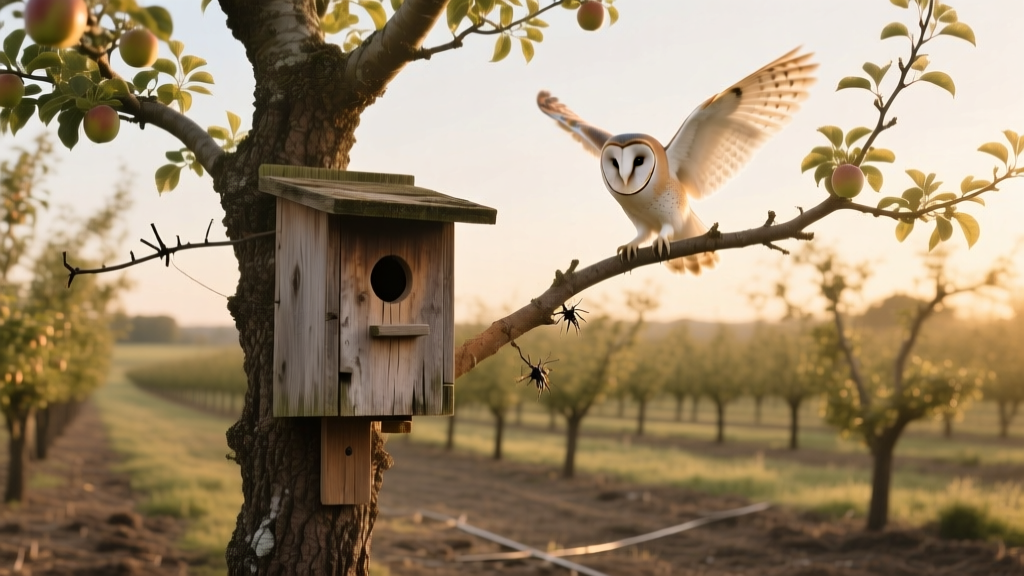
Owl Nest Box Placement & Pruning Timing For Biocontrol 2026
Emily WatsonPublished
The Rise of Avian Biocontrol in 2026
As we navigate the 2026 growing season, integrated pest management (IPM) has shifted heavily away from chemical rodenticides. With secondary poisoning risks and rodenticide resistance at all-time highs, homeowners and orchard managers are turning to nature’s most efficient nocturnal hunters: barn owls (Tyto alba). A single nesting pair, along with their brood, can consume upwards of 3,000 rodents in a year. However, simply erecting a nest box is not enough. The secret to maximizing this natural biocontrol lies at the intersection of strategic owl nesting box placement and precise landscape pruning methods.
According to the Cornell Lab of Ornithology, barn owls prefer open habitats and hunt primarily by sound and low-light vision. If your garden, orchard, or perimeter hedgerows are choked with dense, unpruned canopies, you are inadvertently providing safe harbor for voles, mice, and gophers while blocking the owls' strike paths. By aligning your pruning schedule with the biological rhythms of nesting owls, you create an optimized hunting corridor that naturally suppresses pest populations.
Strategic Nest Box Placement in the Pruned Landscape
Before you make a single pruning cut, your nest box must be correctly positioned to take advantage of the cleared sightlines you are about to create. In 2026, modern IPM protocols recommend the following placement metrics for optimal rodent interception:
- Height: Mount the box 15 to 20 feet above the ground on a dedicated pole, barn eave, or mature tree trunk.
- Orientation: Face the entrance hole away from prevailing winds and direct afternoon sun. Crucially, ensure the entrance faces an open, recently pruned flight corridor rather than a dense wall of foliage.
- Proximity to Target Zones: Place boxes within 50 to 100 feet of known rodent hotspots, such as orchard perimeters or overgrown hedgerows, but ensure the immediate drop-zone below the box is clear of thick shrubbery so owlets can safely fledge and climb back up.
Pruning Methods to Enhance Owl Hunting Efficiency
How you prune directly dictates how successfully an owl can hunt. Rodents thrive in the understory—the dense, shaded area between the soil and the lower tree branches. By employing specific arboricultural techniques, you strip rodents of their aerial cover.
1. Crown Raising (Skirting the Canopy)
Crown raising involves removing the lower branches of a tree to elevate the canopy. For owl biocontrol, you should skirt fruit trees and ornamental shrubs to a minimum height of 6 to 8 feet. This creates an open, unobstructed kill zone on the ground. When the lower canopy is removed, moonlight penetrates to the soil level, illuminating foraging rodents and allowing owls to execute silent, unobstructed diving strikes.
2. Vista Pruning for Flight Corridors
Barn owls hunt on the wing, often cruising just a few feet above the ground. Dense, overlapping branches in hedgerows act as physical barriers to their flight paths. Vista pruning—the selective removal of entire branches back to the trunk or a lateral branch—opens up windows and alleys through your landscape. By maintaining 10-foot-wide pruned alleyways between orchard rows or garden beds, you provide the owls with uninterrupted flyways to patrol your property.
3. Inner Canopy Thinning
Thinning removes crossing, rubbing, and inward-growing branches. A thinned canopy reduces the humidity and dense shade that rodents love for nesting. Furthermore, as noted by the Arbor Day Foundation, proper thinning improves overall tree health and air circulation, reducing fungal diseases while simultaneously making the tree less hospitable to tree-climbing rats and squirrels that might compete with or prey upon owl nests.
Critical Timing: Pruning Around Active Owl Nests
Timing is the most critical variable in this IPM strategy. Barn owls are early nesters. Depending on your climate zone, courtship begins in January, and egg-laying typically spans from February through June. Fledging occurs between May and August. Operating loud power equipment, such as chainsaws or heavy pole saws, near an active nest box will cause severe stress, potentially leading to nest abandonment or owlet mortality.
To harmonize your landscape maintenance with the owl breeding cycle, you must adopt a strict seasonal pruning calendar.
The Dormant Season Window (November – January)
This is your primary window for structural pruning, heavy crown raising, and major canopy reductions. The owls have not yet begun incubating eggs, and the trees are dormant, which minimizes the risk of spreading diseases like oak wilt or fire blight. Complete all your heavy, noisy pruning tasks during this window.
The Nesting Season Restriction (February – August)
During the breeding season, limit your pruning to light, hand-tool maintenance (such as snipping water sprouts or deadheading) on the opposite side of the property, far from the nest box. Avoid any vibration-inducing work on trees that harbor a nest box. If a branch poses an immediate hazard to human safety, consult an arborist who specializes in wildlife-aware tree care to mitigate the risk quietly.
2026 Pruning and Owl Biocontrol Maintenance Calendar
The following table outlines the ideal synchronization of landscape pruning and owl nest box management for the 2026 calendar year.
| Timeframe | Owl Biological Stage | Recommended Pruning Actions | Nest Box Maintenance Tasks |
|---|---|---|---|
| Nov - Dec | Roosting / Pre-courtship | Heavy structural pruning, crown raising (skirting to 6-8 ft), vista pruning for flight lanes. | Install new boxes; clean out old boxes (remove pellets/debris); add a thin layer of pine needles. |
| Jan | Courtship begins | Finalize major cuts; transition to hand pruners for minor shaping. | Monitor boxes for early roosting pairs; do not disturb. |
| Feb - Apr | Egg laying & Incubation | NO power tools. Light hand-sniping of spring water sprouts only, far from the nest zone. | Observe from a distance (use binoculars); check for predator guards on poles. |
| May - Jul | Brood rearing & Fledging | Avoid all pruning near the host tree. Maintain clear ground zones for clumsy fledglings. | Keep domestic cats indoors; ensure understory grasses are lightly trimmed (by hand or quiet trimmer) to help owlets hunt. |
| Aug - Oct | Post-fledging / Dispersal | Resume moderate pruning; clear late-summer overgrowth that blocks late-season hunting corridors. | Inspect boxes for structural damage; prepare for the fall cleaning cycle. |
Cost Analysis: Biocontrol vs. Chemical Rodenticides
Investing in owl-friendly pruning and nest boxes yields substantial long-term ROI compared to recurring chemical pest control. In 2026, professional rodenticide baiting services for a one-acre property average between $800 and $1,500 annually, excluding the ecological costs of secondary poisoning to local raptors and pets.
Conversely, a high-quality, weather-treated wooden barn owl box costs between $150 and $250. Hiring a certified arborist for a comprehensive winter pruning session to establish flight corridors and skirt canopies typically ranges from $600 to $1,200 depending on tree maturity and acreage. Once the structural pruning is established in year one, annual maintenance drops significantly. The National Wildlife Federation highlights that establishing permanent avian predators on your property creates a self-sustaining, zero-chemical pest management loop that appreciates in value as the local owl population stabilizes.
Final Thoughts on Integrated Landscape Management
Integrating barn owl nest boxes into your property is a highly effective, organic approach to rodent control, but it requires a holistic view of your landscape. By treating your trees and shrubs not just as ornamental features, but as vital components of a predator-prey ecosystem, you unlock the full potential of avian biocontrol. Stick to the dormant season for your heavy pruning, elevate those lower canopies, and maintain clear, moonlit flight paths. In doing so, you will cultivate a thriving, balanced garden where nature does the heavy lifting of pest control for you.