Lawn Care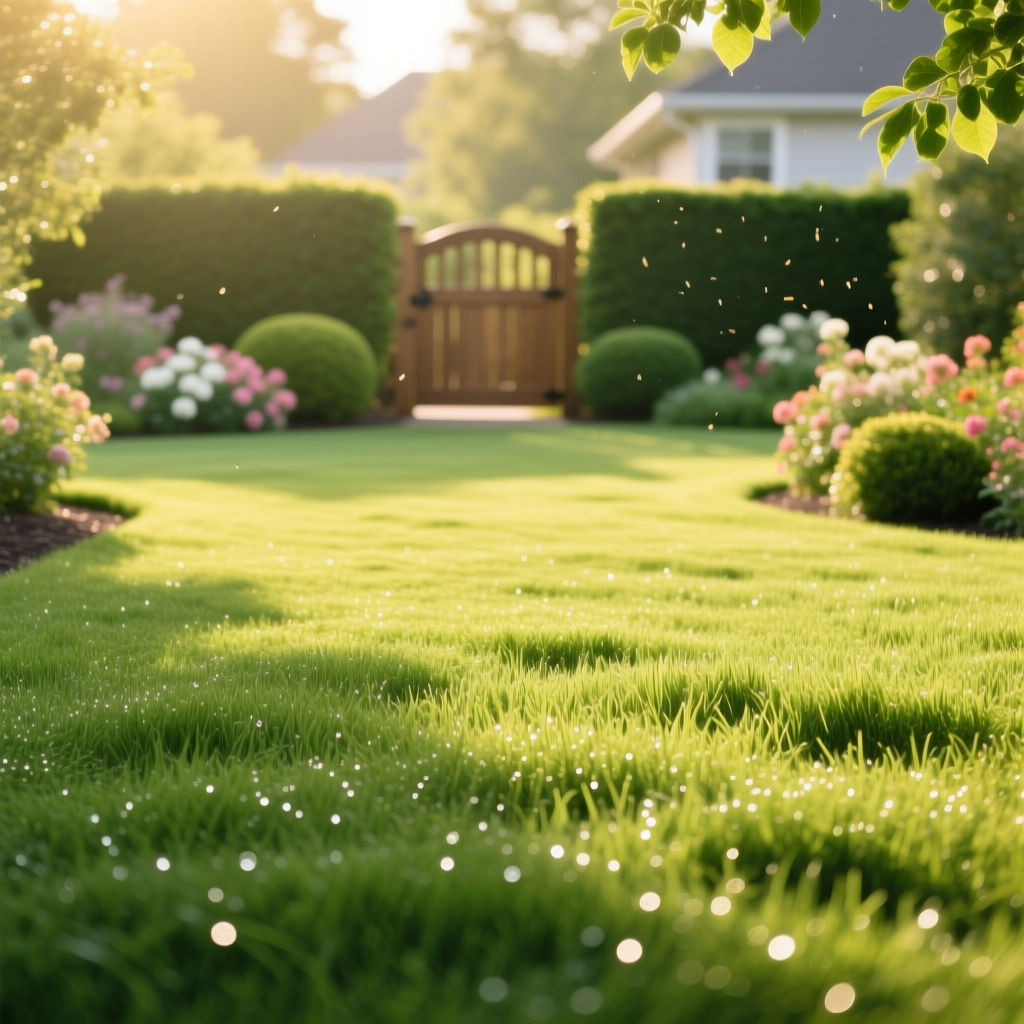
Basic Lawn Care: Essential a Lush, Healthy Yard
Achieving a lush, vibrant, and healthy lawn is a goal for many homeowners, but it often feels like an elusive mystery. The truth is that a beautiful yard is not the result of a single miraculous product or a secret technique; rather, it is the culmination of consistent, fundamental practices applied correctly over time. Whether you are working with the deep greens of cool-season grasses or the resilient, sun-loving blades of warm-season grasses, the core principles of turf management remain remarkably similar.
Basic lawn care revolves around creating an environment where your grass can thrive while naturally outcompeting weeds, resisting pests, and recovering from environmental stress. By mastering the foundational pillars of mowing, watering, fertilizing, and seasonal maintenance, you can transform a patchy, struggling yard into the pride of the neighborhood. This comprehensive guide will walk you through the essential, actionable steps required to build and maintain a robust root system and a thick, carpet-like turf. Let us dive into the fundamental practices that will elevate your lawn & garden to the next level.
Mowing Techniques for Optimal Grass Health
Mowing is the most frequent lawn care chore, and how you execute it has a profound impact on the overall health of your turf. Many homeowners treat mowing as a simple cosmetic task, but it is actually a critical physiological stressor that, when managed correctly, stimulates lateral growth and deep root development.
The One-Third Rule
The golden rule of mowing is never to remove more than one-third of the grass blade in a single pass. If your target mowing height is three inches, you should mow when the grass reaches four and a half inches. Cutting too much at once shocks the plant, severely limits its ability to photosynthesize, and forces it to draw on stored root reserves to survive. This stress makes the grass highly susceptible to disease, drought, and weed invasion. During peak growing seasons, this may mean mowing twice a week, but the payoff in turf density and health is well worth the time & effort.
Blade Sharpness and Mower Maintenance
A dull mower blade tears the grass rather than slicing it cleanly. This tearing creates jagged, frayed ends that lose moisture rapidly and turn a sickly brown within days. More importantly, these open wounds provide an easy entry point for fungal pathogens and turf diseases. You should sharpen your mower blades at least twice a season, or more frequently if you notice frayed tips. Investing in a high-quality blade sharpening kit or taking your mower to a professional service center will drastically improve the aesthetic and biological health of your lawn.
Alternating Mowing Patterns
Riding mowers and heavy push mowers can cause soil compaction and create ruts if driven in the exact same pattern every week. Furthermore, grass blades tend to lean in the direction they are cut. By alternating your mowing pattern—switching between horizontal, vertical, and diagonal lines—you encourage the grass to grow upright, prevent soil compaction, and ensure a more even cut. Leaving your grass clippings on the lawn, a practice known as mulching, returns valuable nitrogen and organic matter back to the soil, reducing your fertilizer needs by up to 25 percent.
Watering Wisely: Deep and Infrequent Irrigation
Water is the lifeblood of your lawn, but overwatering is just as detrimental as underwatering. The most common mistake homeowners make is watering lightly and frequently. This practice keeps the surface moist but encourages the grass to develop a shallow root system. Shallow roots make your lawn incredibly vulnerable to heat stress, drought, and weed competition. The goal of proper irrigation is to train your grass to grow deep, resilient roots that can access moisture stored deeper in the soil profile.
The Deep and Infrequent Method
A healthy lawn typically requires about one to one and a half inches of water per week, including rainfall. Instead of watering for fifteen minutes every day, you should water deeply one or two times a week. This forces the roots to chase the moisture downward, creating a robust foundation. To measure how much water your sprinkler system is applying, place several empty tuna cans or specialized rain gauges around your yard and time how long it takes to collect half an inch of water. This simple soil & water test will allow you to calibrate your irrigation system perfectly.
Timing Your Irrigation
The best time to water your lawn is in the early morning, ideally between 4:00 AM and 8:00 AM. Watering at this time takes advantage of lower temperatures and minimal wind, which reduces evaporation and ensures the water penetrates deeply into the soil. Watering in the evening leaves the grass blades wet overnight, creating an ideal breeding ground for fungal diseases like brown patch and dollar spot. Midday watering is highly inefficient due to rapid evaporation caused by the sun & heat.
Recommended Irrigation Tools
To optimize your watering routine, consider upgrading to a smart irrigation controller. These devices connect to local weather stations and automatically adjust your watering schedule based on recent rainfall, humidity, and temperature forecasts. For those without in-ground sprinkler systems, oscillating or impact sprinklers paired with a reliable mechanical timer can provide consistent, even coverage without the hassle of manual operation.
Fertilizing and Soil Nutrition
Even with perfect mowing and watering, your lawn will struggle if the underlying soil lacks essential nutrients. Grass constantly extracts macronutrients and micronutrients from the soil to fuel growth, repair damage, and synthesize chlorophyll. Replenishing these nutrients through a strategic fertilization program is a cornerstone of basic lawn care.
Start with a Soil Test
Before applying any fertilizer, it is crucial to understand what your soil actually needs. A comprehensive soil testing guide will show you how to collect and submit samples to a local extension office or private lab. The results will reveal your soil pH and identify specific nutrient deficiencies. Grass thrives in slightly acidic soil with a pH between 6.0 and 7.0. If your pH is too low, you will need to apply lime; if it is too high, elemental sulfur may be required. Applying fertilizer to soil with an imbalanced pH is a waste of money, as the grass roots will be chemically locked out from absorbing the nutrients.
Understanding N-P-K Ratios
All lawn fertilizers display an N-P-K ratio on the packaging, representing the percentage of Nitrogen (N), Phosphorus (P), and Potassium (K). Nitrogen drives vigorous, green, vegetative growth and is the nutrient your lawn needs in the highest quantities. Phosphorus supports strong root development, which is especially important for new lawns or overseeding. Potassium enhances the plant's overall hardiness, improving its resistance to drought, cold, and disease. For established lawns, a high-nitrogen fertilizer with low or zero phosphorus is typically the best choice, as many soils already contain adequate phosphorus levels.
Application Techniques and Tools
For even, consistent application, a broadcast spreader is highly recommended over a drop spreader for most residential yards. To prevent fertilizer burn and ensure uniform coverage, apply the product at half the recommended rate in one direction, and the other half in a perpendicular direction. Always sweep or blow stray fertilizer granules off driveways and sidewalks back onto the grass to prevent staining and protect local waterways from nutrient runoff. Following a structured fall lawn care fertilization schedule is particularly vital, as autumn applications build the root reserves necessary for a rapid, aggressive green-up the following spring.
Weed Control and Pest Management
A thick, vigorously growing lawn is your absolute best defense against weeds and pests. When grass is dense and healthy, it shades the soil, depriving weed seeds of the sunlight they need to germinate. However, even the best-maintained lawns can fall victim to opportunistic weeds and turf-destroying insects. An integrated approach combining cultural practices and targeted chemical controls is the most effective strategy.
Pre-Emergent and Post-Emergent Herbicides
Pre-emergent herbicides create an invisible chemical barrier in the top layer of soil that prevents weed seeds, such as crabgrass, from germinating. Timing is absolutely critical; pre-emergents must be applied in early spring when soil temperatures consistently reach 50 to 55 degrees Fahrenheit, before the weed seeds sprout. Post-emergent herbicides, on the other hand, are used to kill weeds that are already visible and actively growing. For broadleaf weeds like dandelions and clover, selective post-emergent herbicides will target the weed without harming your surrounding grass. For a detailed breakdown of specific products and application windows, consult our comprehensive weed control guide.
Cultural Pest Controls
Insects like grubs, chinch bugs, and armyworms can devastate a lawn by feeding on the roots and blades. Maintaining proper mowing heights and avoiding excessive nitrogen applications can deter many pest infestations, as lush, over-fertilized grass is highly attractive to insects. If you notice irregular brown patches or turf that rolls back like a carpet (a classic sign of grub damage), targeted insecticides or beneficial nematodes can be applied to eliminate the threat. Always correctly identify the pest before applying any chemical treatment to ensure you are using the right product for the job.
Seasonal Lawn Care Calendar
Lawn care is not a one-size-fits-all endeavor; the needs of your grass change dramatically with the seasons. Aligning your maintenance tasks with the natural growth cycles of your turf will maximize your results and minimize wasted effort.
Spring: Awakening and Protection
Spring is a time of renewal and rapid growth. Begin the season by raking away winter debris and thatch to allow sunlight to reach the soil. Apply your pre-emergent herbicide early to stop crabgrass in its tracks. As the grass begins to grow, start mowing regularly, adhering strictly to the one-third rule. This is also the ideal time to apply a light application of slow-release nitrogen fertilizer to support the spring growth spurt without pushing the grass into a vulnerable, overly succulent state.
Summer: Stress Management
Summer brings heat, drought, and heavy foot traffic, all of which place immense stress on your lawn. Raise your mower deck to the highest setting; taller grass shades the soil, conserving moisture and keeping the root zone cool. Rely on your deep and infrequent watering strategy to keep the turf hydrated. Avoid applying heavy fertilizers or aggressive herbicides during peak heat, as these can chemically burn the stressed grass. If grub activity is historically high in your area, apply a preventative grub control product in early summer.
Fall: Recovery and Preparation
Autumn is arguably the most critical season for lawn care. The cool air and warm soil create the perfect environment for root growth and recovery. This is the prime window for aeration and overseeding, which alleviates soil compaction and fills in bare or thin patches. Fall is also the time to apply a winterizer fertilizer, which is typically high in potassium to boost cold hardiness and store energy for the winter. Keep mowing until the grass completely stops growing, and perform a final cleanup of fallen leaves to prevent them from smothering the turf and causing snow mold.
Winter: Dormancy and Planning
During the winter months, your grass enters a state of dormancy. Minimize foot traffic on frozen or frost-covered grass, as the brittle blades can easily snap and die. Use this downtime to service your mower, sharpen blades, and plan your lawn care strategy for the upcoming year. Review your soil test results and order any necessary amendments so you are fully prepared when the ground thaws.
Frequently Asked Questions
How often should I water my lawn?
Rather than focusing on how many days a week you water, focus on the total volume of water applied. Most lawns require one to one and a half inches of water per week. It is best to apply this amount in one or two deep watering sessions rather than light, daily sprinklings. Deep watering encourages roots to grow downward, making your lawn more drought-tolerant and resilient against summer heat.
Should I leave grass clippings on the lawn?
Yes, in most cases, you should leave grass clippings on the lawn. This practice, known as grasscycling or mulching, returns valuable moisture, organic matter, and nitrogen back to the soil. As long as you are following the one-third mowing rule, the clippings will be small enough to decompose rapidly without contributing to thatch buildup. Only bag your clippings if the grass is excessively tall, wet, or if your lawn is currently suffering from a severe fungal disease.
What is the best height to cut my grass?
The ideal mowing height depends on the specific species of grass you are growing. Cool-season grasses like Kentucky Bluegrass, Tall Fescue, and Perennial Ryegrass generally perform best when cut between 2.5 and 4 inches. Warm-season grasses like Bermuda, Zoysia, and St. Augustine prefer shorter cuts, typically ranging from 1 to 2.5 inches. Regardless of the species, always err on the side of cutting slightly higher, especially during periods of heat or drought stress.
How do I fix bare patches in my yard?
To repair bare patches, start by loosening the top inch of soil with a garden rake or cultivator. Remove any dead grass, weeds, or debris. Spread a high-quality grass seed that matches your existing lawn, and lightly cover it with a thin layer of compost or peat moss to retain moisture. Water the area lightly two to three times a day until the seeds germinate, then transition to a normal deep watering schedule. For larger areas, core aeration combined with overseeding is the most effective approach.
When is the best time to aerate my lawn?
The best time to aerate your lawn is during its peak growing season, which allows the grass to recover rapidly from the physical stress of the process. For cool-season grasses, early fall is the absolute best time, though early spring is a secondary option. For warm-season grasses, late spring to early summer, when the grass is actively growing and spreading, is the ideal window. Always ensure the soil is moderately moist before aerating to allow the tines to penetrate deeply and pull clean cores.