Gardening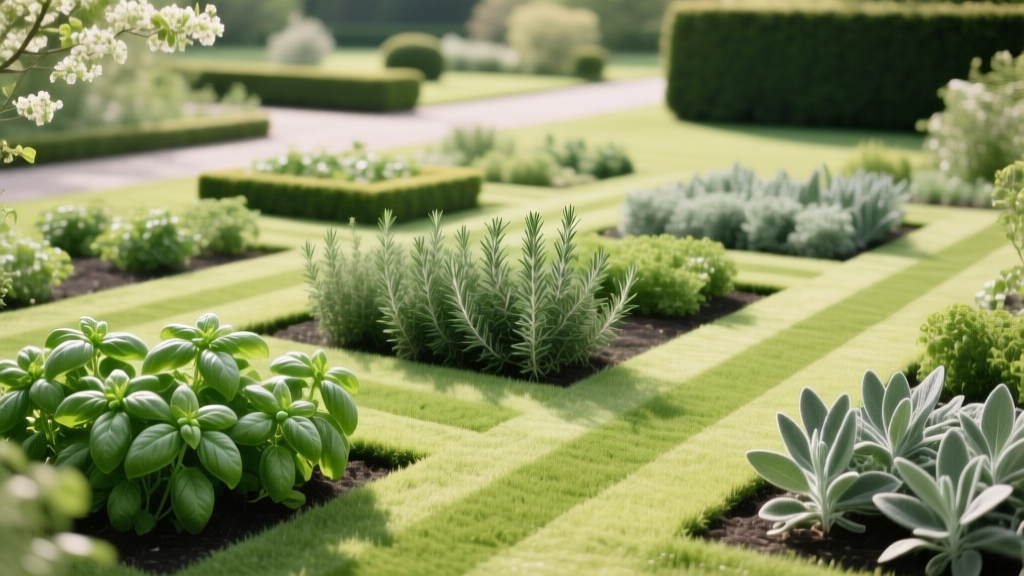
2026 Herb Garden Design: Basil, Sage & Lawn Striping Patterns
Sarah ChenPublished
The Intersection of Culinary Utility and Turf Artistry
In the landscape architecture of 2026, the strict boundary between the utilitarian vegetable patch and the ornamental front lawn has completely dissolved. Homeowners and landscape designers are increasingly merging the functionality of a culinary herb garden with the visual perfection of professional-grade turf striping. By treating your culinary herb beds as the central focal points of a geometric lawn pattern, you elevate a simple gardening endeavor into a masterclass of outdoor aesthetics. This guide will walk you through designing a culinary herb garden featuring basil, thyme, rosemary, and sage, while simultaneously executing crisp, contrasting lawn stripes that frame your harvestable crops.
Selecting Your 2026 Culinary Core
To create a visually striking garden that complements the manicured lines of a striped lawn, you must select herb varieties that offer structural integrity, vibrant color contrast, and culinary excellence. Floppy, unkempt plants will ruin the clean sightlines required for aesthetic turf patterns. Here are the top 2026 recommendations for your core four herbs:
1. Basil: 'Everleaf Genovese'
Traditional basil tends to bolt and lose its shape in mid-summer heat. The 'Everleaf Genovese' variety, heavily favored in 2026 planting guides, offers an extended harvest window and a naturally upright, bushy growth habit. Its vibrant, almost neon-green leaves provide a stunning color contrast against the dark, shadowed bands of a freshly striped lawn. Plant in full sun with rich, well-draining soil amended with organic compost.
2. Thyme: 'English Broadleaf'
For the borders of your raised beds or the edges of your turf transitions, 'English Broadleaf' thyme is indispensable. It grows low and dense, acting as a living mulch that prevents soil splash-back onto your pristine grass. Its tiny, deep green leaves and delicate summer flowers soften the hardscape edging without encroaching on the mowing lines.
3. Rosemary: 'Tuscan Blue'
Rosemary requires structure, and 'Tuscan Blue' delivers with its upright, architectural branches and deep blue-green needles. Because rosemary is a woody perennial, it serves as the anchor point in your garden design. Place it at the four corners of your square herb beds to create vertical pillars that draw the eye down the converging lines of your lawn's checkerboard or diagonal stripe pattern.
4. Sage: 'Berggarten'
The 'Berggarten' sage is prized for its broad, silvery-grey leaves. This muted, metallic foliage is the ultimate design tool for landscape contrast. When planted adjacent to a lawn striped with a 2026 zero-turn mower, the silver foliage reflects sunlight, making the alternating light and dark grass bands appear even more pronounced. According to the University of Minnesota Extension, sage thrives in slightly alkaline, well-drained soil, making it perfect for raised Corten steel beds.
Designing the Layout for Geometric Striping
The secret to integrating an herb garden with lawn striping is symmetry and sharp angles. Organic, curving garden beds are notoriously difficult to stripe around and often result in messy, uneven turf lines. Instead, opt for geometric raised beds. A popular 2026 configuration is the 'Quad-Bed Diamond', consisting of four 4x4-foot square raised beds arranged in a diamond shape with a central 3-foot-wide grass pathway.
To maintain the aesthetic pattern, install rigid hardscape edging. Powder-coated black aluminum or weathered Corten steel edging installed flush with the soil surface allows your mower wheels to glide smoothly over the boundary, ensuring the striping roller engages the grass right up to the millimeter of the herb bed. Leave a precise 6-inch buffer zone of fine gravel or mulch between the soil line and the turf edge to prevent creeping thyme or sprawling basil from violating the clean visual lines of your lawn.
Mastering Lawn Striping Around Herb Borders
Lawn striping is achieved not by cutting the grass at different heights, but by bending the grass blades in opposite directions. As the Royal Horticultural Society notes, bending the grass away from you exposes the darker, shaded underside of the blade, while bending it toward you reflects the sun off the glossy top surface. To frame your culinary herb beds effectively, follow these execution steps:
- The Perimeter Pass: Mow a clean, double-wide perimeter around the entire herb garden complex. This creates a 'canvas frame' and gives you room to turn your mower without scuffing the turf or damaging your sage and rosemary borders.
- The Checkerboard Base: Mow parallel lines north-to-south, alternating the direction of your striping roller on each pass. When you reach the herb beds, use the perimeter pass to turn smoothly.
- The Cross-Hatch: Repeat the process east-to-west. The intersection of the stripes around the geometric herb beds will create a checkerboard effect that makes the central culinary plants pop visually.
- The Diagonal Finish: For a more dynamic 2026 aesthetic, run a final set of diagonal stripes at a 45-degree angle to the beds. This draws the eye directly toward the 'Tuscan Blue' rosemary corner anchors.
Top 2026 Mowers and Striping Kits
Achieving professional-grade stripes around delicate herb beds requires equipment with precise deck control and weighted rear rollers. The Toro TimeCutter 2026 Edition features an updated factory-integrated striping roller that pivots independently of the deck, allowing for tight turns around 4x4 herb beds without tearing the turf. For those utilizing battery power, the EGO Power+ LM2150SP (2026 Update) paired with the aftermarket 'TurfBender' weighted rubber roller kit provides exceptional stripe definition on cool-season fescues and warm-season bermudagrasses alike. Ensure your mower blades are razor-sharp; a frayed grass blade will not bend cleanly and will ruin the reflective contrast necessary for aesthetic patterns.
Soil Preparation and Buffer Zones
Because you are integrating heavy-feeding culinary herbs with a manicured turf environment, soil preparation must be isolated. Do not allow high-nitrogen turf fertilizer to leach into your herb beds, as excess nitrogen will cause basil and sage to produce rapid, weak growth with diminished essential oil concentration (flavor). Line your raised beds with heavy-duty landscape fabric and use a dedicated culinary soil mix: 40% topsoil, 40% aged compost, and 20% perlite for drainage.
Seasonal Maintenance and IPM Matrix
Maintaining the dual aesthetic of crisp lawn stripes and productive culinary herbs requires a synchronized schedule. Utilizing Integrated Pest Management (IPM) principles ensures that your turf and herbs remain healthy without relying on broad-spectrum chemicals that could harm beneficial pollinators visiting your thyme flowers.
| Maintenance Task | Spring (April-May) | Summer (June-August) | Autumn (Sept-Oct) |
|---|---|---|---|
| Turf Striping | Begin striping as grass breaks dormancy. Mow 2x weekly to train blades. | Raise mower deck 0.5 inches to prevent heat stress. Stripe 2x weekly. | Lower deck gradually for final autumn stripe. Overseed bare spots near beds. |
| Basil & Sage | Transplant after frost. Pinch tips to encourage bushy, upright growth. | Harvest weekly. Prune sage to prevent woodiness and maintain shape. | Harvest remaining basil before first frost. Mulch sage base lightly. |
| Rosemary & Thyme | Prune winter dieback. Apply top-dressing of coarse sand for drainage. | Monitor for powdery mildew. Ensure air circulation around woody stems. | Reduce watering. Prune lightly to maintain architectural corner shapes. |
| Bed Edging | Re-cut trench edges or adjust metal edging to ensure flush mower glide. | Trim creeping thyme weekly to prevent encroachment on striped turf. | Clear fallen herb debris from turf to prevent grass smothering and stripe distortion. |
Conclusion
By treating your culinary herb garden as a structural element within a larger turf canvas, you achieve a landscape that is as functional as it is breathtaking. The key to success in 2026 lies in selecting rigid, upright herb varieties like 'Tuscan Blue' rosemary and 'Berggarten' sage, utilizing precise geometric bed layouts, and executing meticulous lawn striping techniques that draw the eye directly to your harvestable crops. With the right mower equipment and a disciplined maintenance schedule, your outdoor space will become a premier showcase of modern garden design.
