Pest Control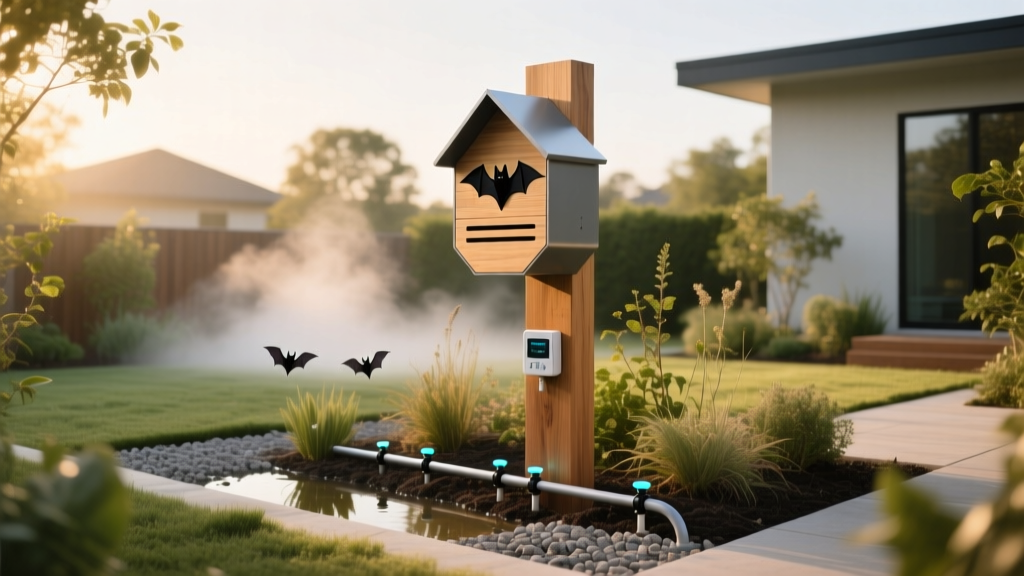
Bat House Installation & Irrigation: 2026 Mosquito Control
James MillerPublished
The Hidden Link Between Your Sprinklers and Mosquitoes
When homeowners think of mosquito control, they rarely look at their underground irrigation system. However, traditional sprinkler systems are often the primary culprit behind severe backyard mosquito infestations. Poorly designed spray zones, broken sprinkler heads, and overwatering create low-lying puddles and saturated soil depressions. These micro-pools of standing water are the exact breeding grounds mosquitoes need to lay their eggs.
In 2026, the most effective Integrated Pest Management (IPM) strategies recognize that you cannot simply spray your way out of a mosquito problem. You must attack the issue from two fronts: eliminate the breeding grounds by upgrading your irrigation practices, and deploy natural predators to consume the adult mosquitoes that inevitably hatch. This is where the powerful combination of smart irrigation upgrades and bat house installation comes into play.
Why Bat Houses Are the Ultimate Natural Pest Control in 2026
Bats are the unsung heroes of the backyard ecosystem. A single little brown bat can consume up to 1,000 mosquito-sized insects in a single hour. By installing a bat house, you are essentially hiring a tireless, organic pest control crew that works from dusk until dawn. According to Bat Conservation International, providing artificial roosts not only helps control local mosquito populations but also supports declining bat species that are vital for pollination and insect management across North America.
While chemical foggers and citronella candles offer temporary, localized relief, a properly installed bat house provides a sustainable, long-term biological defense. When paired with an irrigation system that denies mosquitoes the standing water they need to reproduce, your yard becomes a naturally fortified zone against biting insects.
Choosing the Right Bat House Specifications
Not all bat houses are created equal. To attract a maternity colony—which provides the most significant mosquito control—you need a multi-chambered design that retains heat and offers ample roosting space. Look for the following specifications:
- Dimensions: At least 20 to 24 inches tall, 14 to 24 inches wide, and 3 to 6 inches deep.
- Chambers: A minimum of 2 to 4 interior chambers, each spaced about 3/4 of an inch apart.
- Interior Texture: The inside walls must be roughened or lined with polyethylene plastic mesh to allow bats to climb and grip easily.
- Color and Finish: Use non-toxic, water-based exterior paint or stain. In cooler northern climates, paint the house black or dark brown to absorb maximum solar heat. In hotter southern climates, use medium or lighter tones to prevent overheating.
Step-by-Step Bat House Installation Guide
Proper placement is critical. If you mount a bat house in the wrong location, it will remain empty, and your mosquito problem will persist. Follow these steps for a successful 2026 installation:
1. Select the Ideal Location
Bats prefer a stable microclimate. Mount the bat house on a pole or the side of a building (like a barn, garage, or the side of your home) rather than on a tree. Trees provide too much shade, branch obstruction, and make the house vulnerable to predators like snakes and raccoons. The house should receive at least 6 to 8 hours of direct morning sunlight. Ensure the location is at least 12 to 20 feet above the ground.
2. Audit Your Sprinkler Zones Before Mounting
This is where the irrigation perspective is vital. Before sinking a pole or drilling into siding, run your sprinkler system and observe the spray patterns. Never install a bat house where it will be directly hit by sprinkler overspray. Constant water exposure will rot the wood, ruin the interior grip mesh, and deter bats from roosting. If a nearby spray head is throwing water onto your planned installation site, adjust the nozzle arc, swap to a lower-volume Hunter MP Rotator, or convert that specific zone to drip irrigation.
3. Mounting the House
If using a pole mount, sink a 10-foot galvanized steel post at least 3 feet into the ground, using concrete for stability. Attach the bat house using stainless steel hardware to prevent rust streaks. Ensure the house is perfectly level; a tilted house can cause bat pups to fall out.
Optimizing Your Irrigation System to Starve Mosquito Larvae
Even with a thriving bat colony, you must stop the mosquito life cycle at the source. The Environmental Protection Agency (EPA) emphasizes that eliminating standing water is the most critical step in residential mosquito management. Here is how to audit and upgrade your irrigation system in 2026 to ensure your yard drains properly and stays dry between watering cycles.
Upgrade to Smart Irrigation Controllers
Dumb timers that water your lawn on a fixed schedule regardless of weather are a recipe for puddles and mosquitoes. In 2026, smart controllers like the Rachio 4 or Orbit B-hyve Pro use hyper-local weather data and soil moisture algorithms to water only when necessary. By preventing overwatering, you eliminate the soggy soil depressions where mosquito larvae thrive.
Convert Shrub and Garden Zones to Drip Irrigation
Traditional spray heads in garden beds often bounce water off broad leaves, creating puddles on compacted soil or hardscapes. Converting these zones to Netafim drip lines or micro-bubblers delivers water directly to the root zone. The surface remains completely dry, rendering it entirely useless for mosquito breeding.
Fix Grading and Sprinkler Head Leaks
Walk your property 30 minutes after your irrigation cycle ends. Look for pooling water around sprinkler heads. Low-head drainage—where water leaks out of the lowest sprinkler head in a zone after the valve shuts off—can create persistent puddles. Installing check valves in your sprinkler heads or replacing them with models that feature built-in check valves (like the Rain Bird 1800-SAM series) will stop post-cycle leaking and eliminate these hidden breeding sites.
Comparison: Integrated Mosquito Control Methods
To understand why combining biological controls with smart irrigation is the gold standard for 2026, compare it against other common methods:
| Control Method | Target Stage | Environmental Impact | Long-Term Efficacy |
|---|---|---|---|
| Bat House Installation | Adult Mosquitoes | Highly Beneficial (Supports local wildlife) | Excellent (Sustainable, self-replicating) |
| Smart Irrigation / Drip | Eggs / Larvae | Positive (Conserves water, prevents runoff) | Excellent (Removes breeding habitat) |
| Chemical Fogging | Adult Mosquitoes | Negative (Kills beneficial pollinators) | Poor (Temporary, requires constant reapplication) |
| Bti Dunks (Biological) | Larvae | Neutral (Targeted, safe for pets) | Moderate (Only works in unavoidable standing water) |
Maintenance Tips for Bat Houses and Sprinkler Zones
To maintain a mosquito-free yard throughout the 2026 season and beyond, implement a seasonal maintenance routine that addresses both your biological controls and your irrigation infrastructure.
Spring Irrigation Audit
Before the peak mosquito season begins, turn on every zone of your sprinkler system. Replace any sunken or damaged sprinkler heads that cause water to pool. Adjust spray patterns to ensure water is not hitting fences, sidewalks, or the base of your bat house pole. Aerate your lawn to relieve soil compaction, which drastically improves drainage and prevents surface puddling.
Mid-Summer Bat House Check
Monitor the bat house from a distance using binoculars. If you notice wasps or birds attempting to nest inside, they must be safely removed (preferably by a professional if the bats have already arrived, as many bat species are protected by law). Ensure that nearby tree growth has not begun to shade the bat house, as a drop in interior temperature will cause the colony to abandon the roost.
Fall Winterization
As winter approaches, bats will migrate or enter hibernation. This is the time to winterize your irrigation system by blowing out the lines with compressed air to prevent frozen pipes and broken valves. Broken valves lead to massive springtime leaks and guaranteed mosquito breeding grounds. Inspect the bat house for loose mounting hardware, roof leaks, or warped wood, and make repairs while the house is unoccupied.
Conclusion
True mosquito control requires looking beyond the bug spray and addressing the environmental factors that invite pests into your yard. By installing a properly sized, sun-exposed bat house, you invite nature's most efficient aerial predators to patrol your property. However, the bat house is only half the battle. By auditing your sprinkler system, upgrading to smart irrigation technology, and eliminating the standing water caused by overwatering, you break the mosquito life cycle at its source. Embrace this dual-pronged IPM approach in 2026, and you will reclaim your outdoor spaces for good. For more information on safe pest management, consult resources from the Centers for Disease Control and Prevention (CDC) and your local university extension office.