Pest Control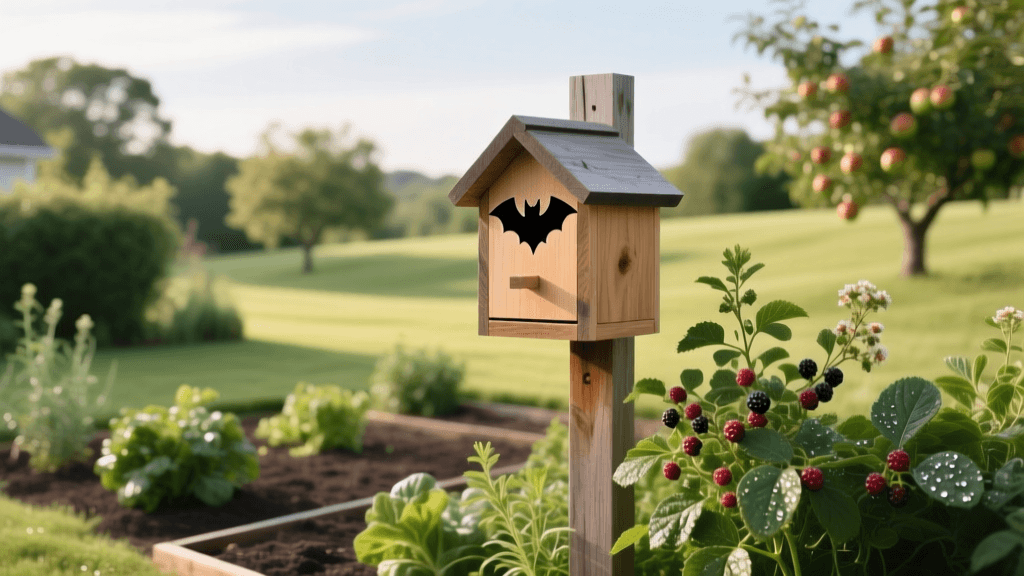
Bat House Installation For Natural Mosquito Control 2026
Why Foodscaping Demands Natural Pest Control in 2026
As urban and suburban foodscaping continues to dominate landscape design in 2026, the integration of edible plants into traditional ornamental spaces has never been more popular. Homeowners are replacing sterile lawns with vibrant ecosystems featuring fruit trees, berry bushes, raised vegetable beds, and culinary herbs. However, this lush, water-rich environment also creates the perfect breeding ground for mosquitoes and other crop-destroying insects. When you are growing food for your family, spraying synthetic chemical pesticides is out of the question. You need an Integrated Pest Management (IPM) approach that protects your harvest and your health.
According to the EPA's principles of Integrated Pest Management, biological control is a cornerstone of sustainable gardening. Enter the bat house. Installing a bat house is one of the most effective, aesthetically pleasing, and ecologically sound methods for natural mosquito control in an edible landscape. By inviting these nocturnal predators into your garden, you create a self-regulating pest control system that works tirelessly while you sleep.
The Role of Bats in the Edible Landscape
Bats are the unsung heroes of the organic garden. While many gardeners focus on attracting pollinators like bees and butterflies during the day, they often neglect the nighttime workforce. Bats provide dual benefits for the foodscape: they are voracious consumers of nuisance insects and agricultural pests.
- Mosquito Eradication: A single little brown bat can consume up to 1,000 mosquito-sized insects in a single hour. This drastically reduces the biting insect population, making evening harvests and garden parties enjoyable again.
- Crop Pest Control: Bats do not just eat mosquitoes; they feast on moths and beetles that lay the eggs of devastating garden caterpillars. By consuming adult corn earworms, cucumber beetles, and tomato hornworm moths, bats stop the reproductive cycle of pests that destroy your tomatoes, squash, and corn.
- Reduction of Fungal Diseases: By keeping the population of sap-sucking and leaf-chewing insects in check, bats indirectly reduce the physical damage to plant leaves, which in turn lowers the entry points for fungal and bacterial plant pathogens.
Organizations like Bat Conservation International have long championed the use of bat houses as a critical tool for both wildlife conservation and natural pest suppression, especially as bat populations face threats from habitat loss and white-nose syndrome.
Choosing the Right Bat House for Your Foodscape
Not all bat houses are created equal. In 2026, the market is flooded with decorative but functionally useless novelty bat houses. To successfully attract a maternity colony, you must provide a structure that mimics the thermal properties of a tree bark crevice.
Key Features to Look For:
- Multi-Chamber Design: Bats prefer multi-chamber houses (at least three to four chambers) which allow them to move between warmer and cooler zones throughout the day.
- Proper Dimensions: The house should be at least 20 inches tall, 14 inches wide, and feature chambers that are exactly 3/4 of an inch wide to prevent predators from reaching inside while allowing bats to roost comfortably.
- Rough Interior Surfaces: Bats need to climb. The interior walls and the landing pad must be deeply grooved or covered with a durable, non-toxic plastic mesh. Avoid hardware cloth, which can injure their delicate wings.
- Thermal Mass: In cooler climates, choose a house with a dark exterior and a built-in thermal mass to retain heat for pup-rearing. In hotter southern climates, opt for lighter colors and extended roof overhangs for shade.
Step-by-Step Bat House Installation Guide
Proper placement is the difference between a thriving maternity colony and an empty wooden box. Bats are highly selective about their roosting sites, particularly when raising their young.
| Installation Parameter | Optimal Requirement | Foodscape Reasoning |
|---|---|---|
| Mounting Height | 12 to 20 feet off the ground | Provides a clear, unobstructed drop zone for bats to take flight, keeping them safely above garden traffic and reaching tools. |
| Sun Exposure | 6 to 8 hours of direct morning sun | Essential for maintaining the 85-100 degree Fahrenheit internal temperature required for pregnant females and growing pups. |
| Proximity to Water | Within 1,500 feet of a water source | Bats need water for drinking and hydration. A foodscape rain garden, pond, or birdbath serves this purpose perfectly. |
| Mounting Surface | Wooden post, pole, or side of a shed | Never mount directly on a living tree (trees harbor predators like snakes and owls, and offer too much shade). |
The Installation Process
- Select a Steel Pole or Wooden Post: Use a 16-foot galvanized steel pole or a pressure-free wooden post. Sink it at least 3 feet into the ground using quick-setting concrete to ensure stability against high winds.
- Pre-Paint the Exterior: Before mounting, paint the exterior of the bat house with a dark, water-based, non-toxic exterior latex paint (black or dark brown for northern zones; medium tones for southern zones). Never paint the interior.
- Mount Securely: Attach the bat house using stainless steel lag bolts and washers. Ensure there is no gap between the back of the house and the mounting pole to prevent snakes from slithering behind it.
- Add a Predator Guard: Install a conical metal predator baffle on the pole below the bat house to stop raccoons, snakes, and feral cats from accessing the roost.
Integrating Bat Habitats with Your Edible Garden
To maximize the pest-control benefits of your new bat colony, you must design your foodscape to support their hunting habits. Bats hunt using echolocation and are drawn to areas with high insect activity. You can artificially boost this activity by planting night-blooming and pale-colored flowers near your vulnerable food crops.
Consider planting Moonflower (Ipomoea alba), Evening Primrose (Oenothera biennis), and flowering Tobacco (Nicotiana) along the borders of your vegetable beds. These plants release strong fragrances at dusk, attracting the exact species of night-flying moths and beetles that bats love to eat. By creating a 'bat buffet' corridor between your bat house and your tomato plants, you ensure the bats will patrol your most valuable edibles every single night.
Furthermore, the National Park Service notes that preserving natural snag trees and providing clean water sources are vital for local bat populations. Incorporating a shallow water feature with sloping edges and floating cork islands into your edible landscape will provide bats with a safe place to drink without the risk of drowning.
Managing Guano: Food Safety in the Edible Landscape
One of the most common concerns regarding bat houses in foodscapes is the accumulation of bat guano (droppings). Bat guano is an incredibly potent, nitrogen-rich organic fertilizer that has been prized by gardeners for centuries. However, when dealing with edible crops, food safety must be your top priority.
Under modern food safety guidelines, raw, uncomposted animal manure should never come into direct contact with the edible portions of crops, especially low-growing leafy greens like lettuce, spinach, and strawberries. Fresh guano can harbor pathogens, and the fungal spores associated with histoplasmosis can be a respiratory hazard if inhaled when dry and disturbed.
Best Practices for Guano Management:
- Strategic Placement: Do not mount the bat house directly over your raised vegetable beds. Instead, mount it over a non-edible zone, such as a gravel pathway, a mulched ornamental border, or a dedicated composting area.
- Catch and Compost: Place a slanted, easily cleanable catchment tray or a bed of wood chips beneath the house. Collect the guano wearing a mask and gloves, and add it to your hot compost bin.
- The 120-Day Rule: Allow the guano to hot-compost for at least 120 days. Once fully composted and cured, it becomes a safe, sterile, and incredibly powerful fertilizer that can be side-dressed around your heavy-feeding crops like corn, squash, and fruit trees.
Debunking Common Bat Myths
Despite their ecological value, bats are often misunderstood. As a foodscape gardener in 2026, it is important to separate fact from fiction to confidently embrace biological pest control.
- Myth: Bats will get tangled in your hair. Fact: Bats have highly sophisticated echolocation. They can detect a strand of human hair in complete darkness and will actively avoid flying near your head.
- Myth: Bats are blind. Fact: All bats can see, and many fruit-eating species have excellent color vision. The insectivorous bats that will occupy your garden house rely on echolocation for hunting, but they use their eyes for navigation.
- Myth: Bats are aggressive and carry rabies. Fact: Bats are naturally shy and avoid human contact. While it is true that a small percentage of wild bats can carry rabies, the risk is statistically minuscule. Never handle a grounded or sick bat with bare hands, and simply enjoy watching them hunt from a distance.
Conclusion
Installing a bat house is a long-term investment in the health of your edible landscape. While it may take a season or two for a colony to discover and occupy your new structure, the payoff is immense. By 2026 standards, true organic gardening is not just about what you put into the soil, but how you manage the airspace above it. A thriving bat colony will reduce your reliance on sprays, protect your harvest from caterpillars, and reclaim your garden from mosquitoes, allowing you to enjoy the fruits of your labor in peace.