Pest Control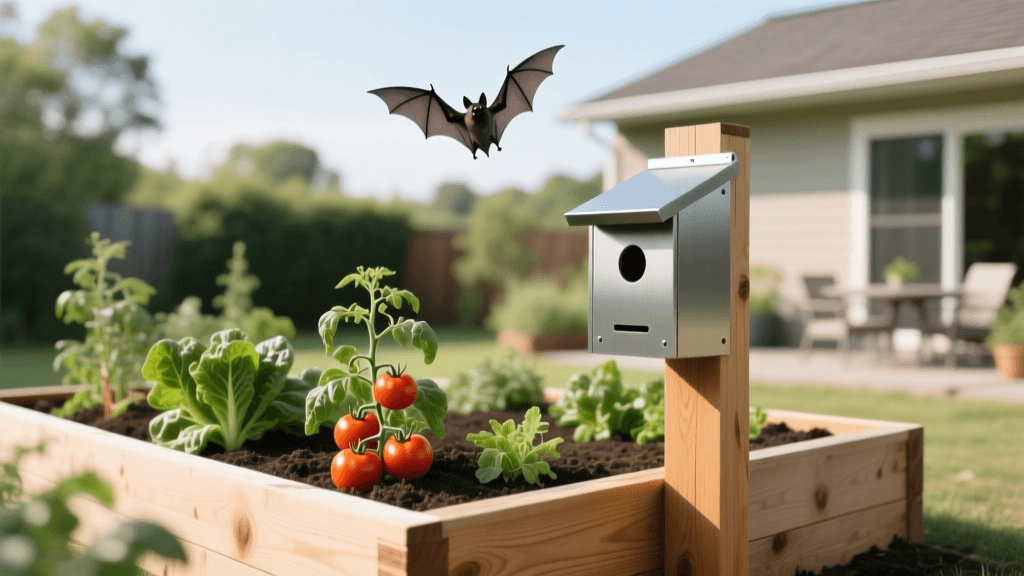
Bat House Installation for Raised Beds: 2026 Mosquito Control Guide
The Hidden Mosquito Problem in Raised Bed Gardens
Raised bed vegetable gardening offers incredible advantages for soil drainage, root aeration, and ergonomic maintenance. However, the surrounding infrastructure of a productive raised bed garden often creates unintended micro-habitats for pests. Rain barrels, drip irrigation catch basins, water saucers, and the dense, humid lower canopies of indeterminate tomatoes and trellised cucumbers provide perfect breeding grounds for mosquitoes. As organic gardening practices continue to dominate in 2026, home growers are increasingly rejecting synthetic chemical foggers and broad-spectrum sprays that harm essential pollinators and leave toxic residues on edible crops.
Enter the ultimate biological pest control solution: the bat house. By integrating bat house installation into your raised bed garden layout, you can establish a natural, self-sustaining mosquito control system. According to the Centers for Disease Control and Prevention (CDC), eliminating breeding sites and encouraging natural predators are the most effective long-term strategies for mosquito management. A single little brown bat can consume up to 1,000 mosquito-sized insects in a single hour, making them an indispensable ally for the organic vegetable gardener.
Why Bats Are the Ultimate 2026 Organic Pest Control
While most gardeners focus on bees and butterflies, bats are the unsung heroes of the agricultural ecosystem. Beyond mosquitoes, bats are voracious consumers of nocturnal moths and beetles that plague raised bed vegetables. The adult stages of the tomato hornworm, cabbage looper, and corn earworm are all nocturnal moths. By intercepting these pests in mid-air before they can lay eggs on your brassicas and solanaceous crops, bats provide a top-down pest management strategy that soil treatments and row covers simply cannot match.
In 2026, integrated pest management (IPM) protocols heavily emphasize aerial interception. While BTI (Bacillus thuringiensis israelensis) dunks remain useful for standing water, they do nothing to stop adult mosquitoes migrating from neighboring properties. A properly installed bat house creates a permanent, localized hunting ground. Furthermore, unlike chemical barriers that degrade under UV light and require frequent, expensive reapplications, a bat colony provides free, nightly pest control from early spring through late autumn.
Selecting the Right Bat House for Your Garden
Not all bat houses are created equal, and the market in 2026 is flooded with decorative but functionally useless novelty items. To attract a maternity colony, your bat house must meet strict thermal and structural guidelines. The U.S. Fish and Wildlife Service recommends multi-chambered designs that allow bats to regulate their body temperature by moving between warmer and cooler zones.
Key Features to Look For:
- Multi-Chamber Design: Opt for a house with at least three to four interior chambers. Single-chamber houses rarely retain enough heat to support a maternity colony.
- Rough Interior Surfaces: Bats need to climb. Ensure the interior walls and landing pad feature deep, horizontal grooves (not wire mesh, which can injure their wings).
- Proper Dimensions: The house should be at least 24 inches tall, 16 inches wide, and have a landing pad extending 3 to 6 inches below the entrance.
- Thermal Mass: In 2026, top-tier models feature exterior solar-absorbing panels or are constructed from rough-sawn cedar that naturally retains heat without warping.
Expect to invest between $80 and $150 for a high-quality, BCI-certified multi-chamber bat house in 2026. Avoid cheap, flat-panel houses sold at big-box garden centers, as they frequently overheat or fail to provide adequate roosting depth.
Strategic Placement: Protecting Your Raised Beds
Where you place the bat house in relation to your raised beds is critical for both pest control efficacy and garden hygiene. While bats are beneficial, their guano (droppings) can accumulate in large quantities beneath a busy colony.
Distance and Flight Paths
Mount the bat house 15 to 20 feet away from the perimeter of your raised beds. This distance is close enough for the bats to effectively hunt mosquitoes hovering over your damp mulch paths and rain barrels, but far enough to prevent guano from falling directly onto your leafy greens. The National Park Service emphasizes that bats require clear, unobstructed flight paths to enter and exit their roosts safely.
Sun Exposure and Height
Bats require significant heat to incubate their young. In most North American climates, the house should receive 6 to 8 hours of direct morning sun. Mount the house on a dedicated metal pole rather than the side of your house or a tree. Tree-mounted houses are prone to snake predation and receive too much shade. The entrance should be at least 12 to 15 feet off the ground to protect against ground predators and provide a sufficient drop zone for takeoff.
| Parameter | Ideal Specification | Garden Impact |
|---|---|---|
| Mounting Height | 12 to 15 feet (minimum) | Prevents predator access; ensures clear flight path over trellised crops. |
| Distance from Beds | 15 to 20 feet | Keeps guano off leafy greens while maintaining mosquito hunting range. |
| Sun Exposure | 6 to 8 hours (morning sun) | Provides necessary thermal mass for maternity colonies. |
| Pole Material | Galvanized steel or aluminum | Prevents rot and deters climbing rodents/snakes from accessing the roost. |
| Winter Maintenance | Inspect seals and mount stability | Prevents wind damage during winter storms; ensures readiness for spring migration. |
Step-by-Step Installation Guide
Installing a pole-mounted bat house requires some physical labor, but doing it correctly in early spring (before the April migration) ensures you are ready when bats begin scouting for summer roosts.
- Dig the Footing: Dig a hole 2 feet deep and 12 inches wide, located 15 feet from your nearest raised bed and away from overhead tree branches.
- Set the Pole: Place a 15-foot galvanized steel post into the hole. Use a post level to ensure it is perfectly plumb.
- Secure with Concrete: Fill the hole with quick-setting concrete. Allow 24 to 48 hours for the concrete to cure completely before attaching the heavy bat house.
- Mount the House: Attach the bat house to the pole using heavy-duty U-bolts or the manufacturer's specific mounting brackets. Ensure the bottom of the house is at least 12 feet above the soil line.
- Add a Guano Catcher (Optional): If your garden layout forces you to place the house closer to fruiting crops, install a slanted wooden deflector board 3 feet below the house to catch droppings for easy harvesting.
Safely Harvesting Bat Guano for Vegetable Fertilizer
One of the most lucrative side benefits of bat house installation is the production of bat guano, one of the most potent and valuable organic fertilizers available. Bat guano is exceptionally high in nitrogen, phosphorus, and calcium, making it a phenomenal bloom-booster for raised bed tomatoes, peppers, and eggplants.
However, food safety is paramount. Because guano can harbor fungal spores associated with histoplasmosis, it should never be applied directly to the foliage of crops, nor should it be used on root vegetables or leafy greens (like spinach, lettuce, or carrots) where it might come into direct contact with the edible portions. Always wear an N95 mask and gloves when harvesting guano from beneath the house.
How to Apply Guano to Raised Beds
For fruiting crops, harvest the dried guano in late autumn or early spring. Dissolve one tablespoon of guano per gallon of water to create a nutrient-dense 'guano tea.' Apply this tea directly to the soil at the base of your tomato and pepper plants during their flowering stage. The high phosphorus content will significantly improve fruit set and overall yield, turning a pest control byproduct into a powerful tool for your raised bed garden.
Conclusion
As we navigate the 2026 growing season, the integration of wildlife habitats into vegetable garden design is no longer just an eco-friendly trend; it is a practical necessity for serious organic growers. By installing a properly sized, multi-chamber bat house near your raised beds, you establish a permanent, natural defense against mosquitoes and destructive nocturnal moths. Combined with safe guano harvesting practices, this single installation elevates your garden's pest management and soil fertility simultaneously, proving that nature provides the best tools for a thriving, chemical-free harvest.