Pest Control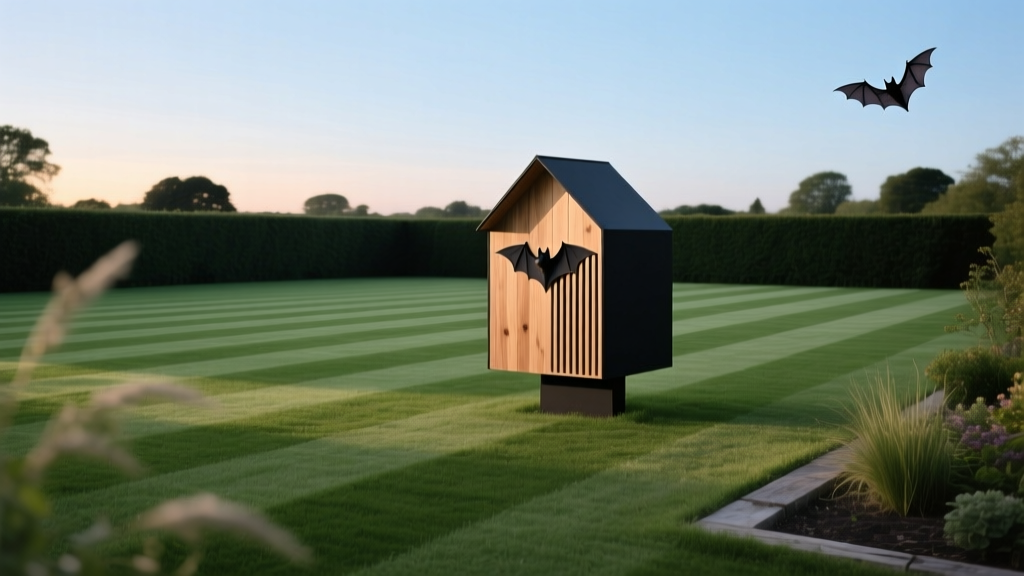
2026 Bat House Guide: Mosquito Control for Striped Lawns
James MillerPublished
The Intersection of Turf Aesthetics and Pest Management
For the dedicated lawn care enthusiast, achieving the perfect striped lawn is a labor of love. Whether you are laying down a classic checkerboard pattern on your Kentucky Bluegrass or crafting sweeping diamond lines across a Bermuda turf, the visual impact of light and dark bands is undeniable. However, as the sun sets and the landscape lighting illuminates your hard work, a familiar nuisance often emerges: mosquitoes. In 2026, the modern approach to landscape design demands that pest control solutions do not compromise the visual integrity of the yard. Bulky bug zappers, chemical foggers that leave oily residues on grass blades, and unsightly trap systems are no longer acceptable for high-end, manicured landscapes. Instead, landscape architects and turf managers are turning to a sophisticated, natural solution: the architectural bat house. By integrating a beautifully designed bat house into your lawn's aesthetic pattern, you create a stunning visual terminus for your striping lines while deploying one of nature's most efficient pest control agents.
Why Bats? The Science of Natural Mosquito Control
Integrated Pest Management (IPM) has evolved significantly, prioritizing ecological balance over broad-spectrum chemical applications. According to the Environmental Protection Agency's IPM principles, utilizing natural predators is a cornerstone of sustainable pest control. Bats are voracious consumers of nocturnal insects. A single little brown bat can consume up to 1,000 mosquito-sized insects in a single hour, while larger species like the Mexican Free-tailed bat can eat their own body weight in insects every night. By inviting a maternity colony to your property, you establish a self-sustaining, organic mosquito control system that protects your family and guests without harming your carefully cultivated turf or beneficial pollinators like bees and butterflies. Furthermore, as noted by Bat Conservation International, providing artificial roosts is critical in 2026 due to the ongoing loss of natural tree cavities and the impact of white-nose syndrome on wild populations.
Choosing the Right Bat House for Your Landscape Design
The days of slapping a rough, untreated plywood box on the side of a shed are over. Today's premium bat houses are designed to complement modern hardscaping and serve as intentional architectural focal points. When planning the 'vanishing point' of your lawn stripes—the area where the eye naturally rests at the far end of the yard—the bat house should act as an anchor. Below is a comparison of the top aesthetic bat house profiles available in 2026:
| Design Style | Material | Capacity | Best Lawn Pattern Match | Est. 2026 Cost |
|---|---|---|---|---|
| Modern Slimline | Powder-Coated Aluminum & Cedar | 50-75 Bats | Linear / Straight Stripes | $280 - $350 |
| Architectural Multi-Chamber | Stained Western Red Cedar | 200+ Bats | Checkerboard / Diamond | $450 - $600 |
| Minimalist Flat-Roof | Composite & Steel Accents | 100 Bats | Curved / Arc Patterns | $320 - $400 |
For a classic checkerboard lawn, the Architectural Multi-Chamber model provides a substantial, symmetrical silhouette that mirrors the geometric precision of the turf. For modern, sweeping arc patterns, the Minimalist Flat-Roof design offers a sleek, unobtrusive profile that complements curved landscape beds.
Strategic Placement: Honoring the Vanishing Point
To successfully merge lawn striping aesthetics with bat biology, placement is everything. Bats have strict environmental requirements for their roosts, and these must be balanced with your visual design goals.
- Sun Exposure: Bat houses require significant solar heat to maintain the 85°F to 100°F internal temperature necessary for raising pups. In most of North America, this means mounting the house facing South or Southeast to catch the morning sun. Align your primary lawn stripes to lead the eye directly toward this sun-drenched focal point.
- Height and Clearance: Houses should be mounted 12 to 20 feet above the ground. Crucially, there must be a 10-foot to 15-foot clear drop zone beneath the house so bats can safely 'fall' into flight. This clearance perfectly accommodates the open, unobstructed sightlines required for a pristine striped lawn.
- Distance from Trees: Mount the house on a dedicated steel pole rather than a tree trunk. Trees provide perches for predators like owls and hawks, and their shifting shade can disrupt the thermal regulation of the house. A standalone pole placed at the rear boundary of your property creates a brilliant backdrop for your turf patterns while keeping the bats safe.
- Proximity to Water: According to the Centers for Disease Control and Prevention, mosquitoes breed in standing water. Placing your bat house within a quarter-mile of a water feature, pond, or low-lying wet area ensures the bats have immediate access to the highest concentration of their prey, effectively intercepting mosquitoes before they reach your patio.
Turf-Safe Installation Protocol
Installing a heavy-duty mounting pole in the middle of a perfectly striped lawn can cause severe turf damage if done carelessly. To preserve your aesthetic patterns, follow this turf-safe installation method:
- Mark and Map: Identify the exact terminus of your central stripe axis. Call your local utility marking service (811) to ensure no underground lines are present.
- Surgical Sod Removal: Do not use a motorized auger, which will tear and scatter the turf, destroying the striping pattern. Instead, use a sharp, manual post-hole digger and a half-moon edger. Carefully cut out 12-inch square sod plugs and place them gently on a damp tarp, keeping their root structures intact and aligned with their original orientation.
- Set the Ground Sleeve: In 2026, premium bat house kits include galvanized ground sleeves. Dig your hole, set the sleeve, and pour quick-setting concrete, ensuring it is perfectly plumb. This sleeve allows you to slide the pole in and out for maintenance without digging again.
- Replace and Roll: Once the concrete cures, slide the mounting pole into the sleeve. Replace your saved sod plugs around the base. Water deeply, and use your lawn striping roller to press the sod plugs firmly back into the soil, blending the seams seamlessly into your existing pattern.
Long-Term Maintenance and Monitoring
A bat house is a living component of your landscape. Inspect the house annually in early spring before the bats return from migration or hibernation. Check for structural integrity, ensure the interior baffles (the rough grooves bats cling to) are still textured, and clear out any mud dauber nests that may have formed during the winter. If the house becomes overcrowded—a good problem that signifies excellent mosquito control—you may need to install a secondary house nearby, perhaps anchoring a secondary diagonal stripe pattern in your lawn design.
By treating your pest control infrastructure as an intentional element of your landscape architecture, you elevate your entire property. The result is a breathtaking, sharply defined lawn that remains comfortable and usable well into the evening, free from the buzz of mosquitoes and the harsh realities of chemical sprays.