Pest Control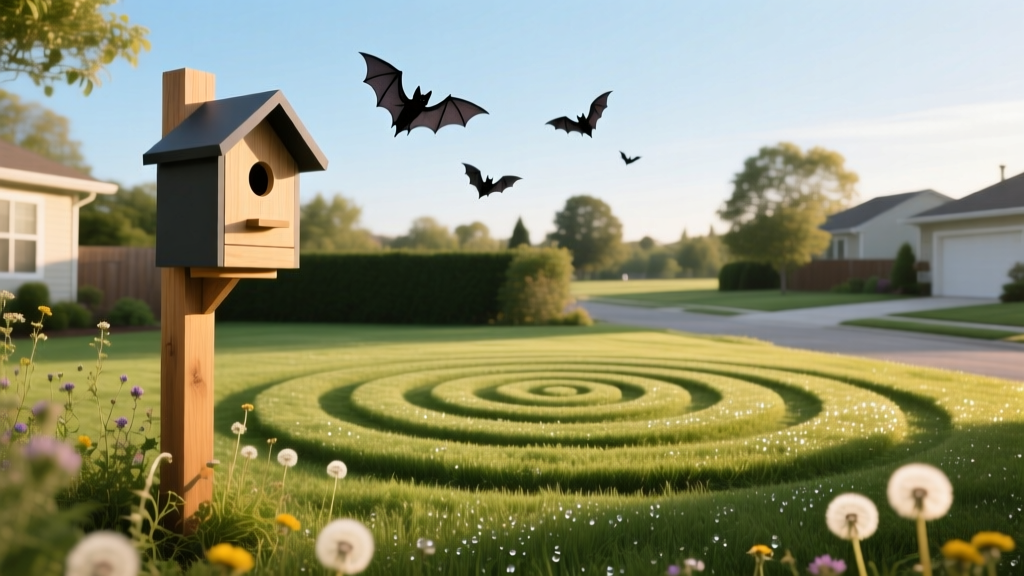
2026 Bat House & Mowing Pattern Guide For Mosquito Control
David ParkPublished
The Shift to Symbiotic Pest Control in 2026
As we move deeper into the 2026 lawn care season, homeowners and landscape professionals are increasingly abandoning broad-spectrum chemical sprays in favor of Integrated Pest Management (IPM). The Environmental Protection Agency (EPA) continues to emphasize that long-term pest prevention is best achieved by manipulating the environment to favor natural predators. When it comes to mosquito control, few predators are as efficient as the insectivorous bat. However, simply nailing a wooden box to a tree is no longer considered sufficient. The most successful natural mosquito control strategies in 2026 combine proper bat house installation with highly specific lawn mowing techniques and patterns to create optimized aerial hunting corridors.
Why Bats Are Unmatched Mosquito Predators
Before diving into turf management, it is essential to understand the sheer volume of pests a single bat can consume. According to wildlife conservation data, a single little brown bat (Myotis lucifugus) can eat up to 1,000 mosquito-sized insects in a single hour. A well-occupied multi-chamber bat house can host anywhere from 50 to 200 bats, effectively clearing millions of biting insects from your property each week. Unlike chemical treatments that degrade after a rainstorm, a bat colony provides continuous, self-sustaining pest control from early spring through late autumn.
Bat House Installation Best Practices for 2026
To attract a colony, your bat house must meet strict biological requirements. The National Park Service recommends specific dimensions and placements to ensure the roost is safe, warm, and accessible.
- Dimensions: Use a multi-chamber design (at least 3 to 4 chambers) that is a minimum of 24 inches tall, 24 inches wide, and 3 inches deep. The roosting chambers should be exactly 3/4 of an inch wide.
- Height and Placement: Mount the house 15 to 20 feet off the ground on a dedicated metal pole or the side of a building. Avoid mounting on trees, as branches obstruct flight paths and predators like snakes or raccoons can easily access the roost.
- Sun Exposure: In northern climates, the house should face south or southeast to receive 8 to 10 hours of direct sunlight, maintaining an internal temperature between 85°F and 100°F.
- Proximity to Water: Bats need water for drinking and hunting, as insect swarms congregate over moisture. Place the house within a quarter-mile of a stream, pond, or lake, but ensure your actual lawn does not harbor stagnant puddles.
The Hidden Variable: Mowing Patterns and Echolocation
Here is where turf management intersects directly with pest control. Bats navigate and hunt using echolocation, emitting high-frequency sound waves and listening for the echoes bouncing off their prey. What many homeowners do not realize is that grass height and mowing patterns directly affect acoustic reflection.
When lawn grass is allowed to grow excessively tall (over 4 inches), it creates a dense, fibrous canopy that scatters and absorbs high-frequency sound waves. This "acoustic clutter" makes it incredibly difficult for bats to detect the tiny echo of a mosquito hovering just above the turf. Furthermore, the Centers for Disease Control and Prevention (CDC) notes that tall, damp grass serves as a primary daytime resting zone for adult mosquitoes, protecting them from the sun and aerial predators. By manipulating your mowing patterns, you eliminate daytime harborage and create clear acoustic "flyways" that guide bats directly to the insect swarms.
Strategic Mowing Patterns to Create Bat Flyways
In 2026, precision mowing is about more than just aesthetics; it is about ecological landscaping. By adopting specific mowing patterns, you can funnel mosquito swarms into open zones where bats can easily hunt them.
1. The Funnel Pattern
If your bat house is mounted on a pole near the edge of your property, use the "Funnel Pattern." Mow wide, straight corridors (at least 10 feet wide) that start from the edges of your property or near water features and angle directly toward the base of the bat house. Keep the grass in these funnels slightly shorter (around 2.5 inches) than the rest of the lawn. This creates a low-resistance air current that insect swarms naturally follow at dusk, leading them right into the bat's primary hunting zone.
2. The Perimeter Corridor
Bats prefer to hunt along "ecotones," which are the transitional edges between different habitats, such as where a wooded tree line meets an open lawn. Mow a clean, 8-foot-wide perimeter corridor along the entire border of your property, especially beneath tree lines. Keep the interior lawn at a standard 3.5 inches to promote deep root growth and drought resistance, but keep the perimeter corridor at 2.5 inches. This sharp contrast creates an invisible acoustic wall that bats will patrol endlessly, snapping up mosquitoes as they emerge from the wooded areas.
3. Eliminating Acoustic Dead Zones
Avoid circular or erratic mowing patterns that leave isolated patches of tall ornamental grasses directly beneath or immediately adjacent to the bat house's drop zone. When bats leave the roost at dusk, they drop straight down before catching the air. Any tall, dense vegetation directly below the house creates an acoustic dead zone and a physical hazard for emerging pups.
Traditional vs. Bat-Optimized Mowing Strategies
The table below illustrates the critical differences between standard lawn care and a turf management plan designed to maximize natural mosquito predation.
| Feature | Traditional Mowing (Aesthetic Focus) | Bat-Optimized Mowing (Pest Control Focus) |
|---|---|---|
| Grass Height | Uniform 2 to 4 inches across entire yard | 3.5 inches interior; 2.5 inches flyway corridors |
| Mowing Pattern | Stripes, checkerboards, or random loops | Straight flyways, perimeter ecotone corridors |
| Clipping Management | Bagging or standard mulching | Aggressive mulching to prevent thatch moisture buildup |
| Edge Transitions | Gradual blending into garden beds | Sharp, hard edges to define acoustic hunting lanes |
| Under-Roost Zone | Often planted with shade-tolerant shrubs | Kept entirely clear or covered in flat, low-growing clover |
Managing Turf Moisture and Daytime Harborage
Mosquitoes require stagnant water to breed, but adult females also require high-humidity microclimates to survive the heat of the day. Overwatering your lawn or mowing too infrequently creates a humid layer at the soil level. In 2026, smart irrigation systems paired with soil moisture sensors are vital. Ensure your irrigation is calibrated so the top half-inch of soil dries out between waterings. When you mow, always do so in the late afternoon when the grass is dry. Mowing wet grass causes clumping, which traps moisture against the soil and creates perfect daytime hiding spots for mosquitoes.
"Integrating structural wildlife habitats with precise turf management is the cornerstone of modern Integrated Pest Management. You aren't just growing grass; you are engineering an ecosystem."
Programming 2026 Robotic Mowers for Pest Control
If you are utilizing one of the advanced robotic mowers released in 2026, you can program virtual boundaries to automate your bat flyways. Use the mower's app to establish "no-mow" zones for your interior lawn to maintain that 3.5-inch drought-resistant height, while setting the perimeter wire to create the 8-foot ecotone corridors mentioned earlier. Many modern robotic mowers now feature "edge-hugging" algorithms that naturally maintain these perimeter flyways without requiring manual string trimming, ensuring the acoustic hunting lanes remain clear every single day.
Conclusion
Natural mosquito control is not a passive endeavor. While installing a multi-chamber bat house is a massive step toward eliminating biting insects from your yard, the true magic happens when you align your lawn care practices with the biological needs of your new aerial allies. By adopting strategic mowing patterns, managing turf moisture, and creating clear acoustic flyways, you transform your lawn into a highly efficient, natural pest-control engine. In 2026, the smartest lawns are those that work in perfect symbiosis with local wildlife.