Pest Control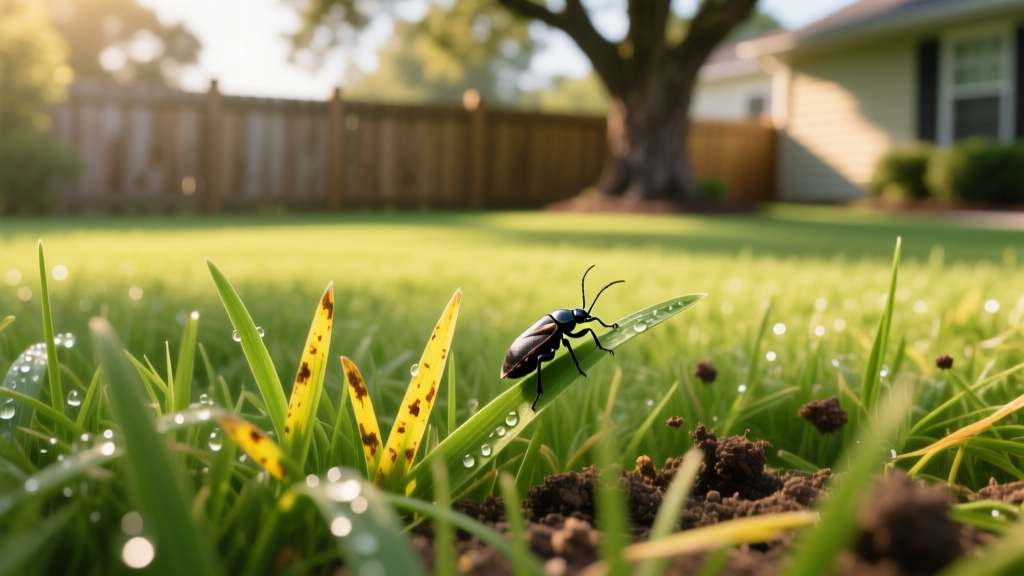
Beating Chinch Bugs in Southern St. Augustine Lawns
Robert HayesPublished
The Southern Threat: Chinch Bugs in Hot Climates
For homeowners across the Gulf Coast, Florida, and the deep South, maintaining a lush, green lawn is a point of pride. However, the hot, humid summers that define these regions also create the perfect breeding ground for one of the most destructive turf pests in the United States: the Southern chinch bug (Blissus insularis). If you are growing St. Augustinegrass—the most popular warm-season turf in the South—you are already in the crosshairs of this tiny but voracious insect.
Unlike general lawn pests that might cause superficial annoyance, chinch bugs can decimate an entire lawn in a matter of weeks. They thrive in the intense heat of July and August, particularly in areas bordered by concrete driveways, sidewalks, and streets where the radiant heat amplifies the temperature of the soil. Understanding the regional nuances of this pest is the first step toward reclaiming your yard.
Identifying the Southern Chinch Bug and Its Damage
Before you can treat the problem, you must accurately diagnose it. Chinch bug damage is frequently misidentified as drought stress, fungal disease (like brown patch), or simple heat dormancy. Applying the wrong treatment will waste money and allow the infestation to worsen.
What Do They Look Like?
Adult Southern chinch bugs are small, measuring about 1/8 to 1/5 of an inch long. They have black bodies with white wings folded flat over their backs, featuring a distinctive black triangular marking. The nymphs (juveniles) start out bright orange with a white band across their backs, eventually turning dark red and then black as they mature.
Recognizing the Damage
Chinch bugs damage grass by piercing the plant's vascular tissue with their needle-like mouthparts and sucking out the sap. As they feed, they inject a toxic saliva that blocks the plant's ability to transport water and nutrients. The result is a lawn that develops irregular, yellowing patches that rapidly turn brown and die. These dead patches often begin near heat-radiating surfaces like asphalt and concrete.
The 'Tin Can' Flush Test
To confirm an infestation, the University of Florida IFAS recommends the 'tin can' test. Remove both ends of a metal coffee can, push it about two inches into the soil at the edge of a damaged patch, and fill it with water. Wait for about five minutes. If you have an active infestation, the chinch bugs will float to the surface. Finding 20 to 25 bugs per square foot indicates that chemical intervention is necessary.
Climate-Specific Lifecycle and Timing
The Southern climate drastically accelerates the chinch bug lifecycle. While northern pests might produce one or two generations a year, the extended heat of the Gulf Coast and South Florida allows for up to seven to ten overlapping generations annually.
Adults overwinter in the thatch layer and at the base of the grass. As soil temperatures rise above 70°F in early spring, they become active, mate, and lay eggs. During the peak of summer, an entire generation can develop from egg to adult in as little as four weeks. This rapid turnover means that a minor spring problem can explode into a full-blown lawn emergency by mid-July if left unchecked.
Integrated Pest Management (IPM) for Southern Lawns
Effective control requires an Integrated Pest Management (IPM) approach, combining cultural, biological, and chemical strategies tailored to the Southern environment.
Cultural Controls: Watering, Mowing, and Thatch
Chinch bugs love hot, dry, and stressed turf. Proper cultural care makes your lawn less hospitable to them.
- Irrigation: St. Augustinegrass requires about 1 inch of water per week. In the sandy soils prevalent in Florida and coastal Texas, you may need to water more frequently but with shorter durations to prevent drought stress without causing runoff. Well-hydrated grass can tolerate higher chinch bug populations before showing visible damage.
- Mowing Height: Never scalp your lawn. Maintain St. Augustinegrass at a height of 3.5 to 4 inches. Taller grass shades the soil, reducing the surface temperature and keeping the thatch layer moister, which discourages chinch bug egg-laying.
- Thatch Management: A thatch layer thicker than 0.5 inches provides a perfect, protected habitat for chinch bugs and blocks water and insecticides from reaching the soil. Core aeration and topdressing with compost in the spring can help manage thatch buildup.
Biological Controls and Natural Predators
The Southern ecosystem hosts several natural enemies of the chinch bug. Big-eyed bugs (Geocoris spp.), predatory earwigs, and certain parasitic wasps prey heavily on chinch bug eggs and nymphs. Furthermore, the entomopathogenic fungus Beauveria bassiana naturally infects and kills chinch bugs, particularly during periods of high humidity and heavy summer rainfall. Avoiding broad-spectrum insecticides early in the season helps preserve these beneficial insect populations.
Chemical Controls and Resistance Management
When populations exceed the economic threshold (20+ bugs per square foot), chemical control becomes necessary. However, the Southern chinch bug has developed significant resistance to several classes of insecticides, particularly pyrethroids, due to decades of heavy use in the South.
According to the Texas A&M AgriLife Extension, rotating chemical classes (IRAC groups) is critical to prevent resistance. If you use a pyrethroid (like bifenthrin) for your first summer application, switch to a neonicotinoid (like imidacloprid) or a phenylpyrazole (like fipronil) for subsequent treatments.
Comparison Chart: Chinch Bug Treatment Options
| Active Ingredient | Chemical Class (IRAC Group) | Brand Example | Application Rate (per 1,000 sq ft) | Est. Cost | Best Timing & Notes |
|---|---|---|---|---|---|
| Bifenthrin | Pyrethroid (3A) | Talstar P | 0.5 - 1.0 fl oz | $0.05 | Early summer. Fast knockdown, but high resistance in FL. |
| Imidacloprid | Neonicotinoid (4A) | Merit 0.5G | 1.4 - 1.8 lbs (granular) | $0.12 | Spring preventative. Systemic control, must be watered in. |
| Clothianidin + Bifenthrin | Neonicotinoid (4A) + Pyrethroid (3A) | Aloft LC2 SC | 0.27 - 0.54 fl oz | $0.15 | Mid-summer curative. Excellent for resistant populations. |
| Fipronil | Phenylpyrazole (2B) | TopChoice | 2.0 lbs (granular) | $0.20 | Late spring/early summer. Long residual, professional use often required. |
Note: Always read and follow the manufacturer's label instructions. Water in liquid and granular applications with 0.25 inches of irrigation to move the product into the thatch and soil zone where the bugs reside.
Choosing Resistant St. Augustinegrass Cultivars
If you are establishing a new lawn or renovating dead patches, consider the genetic resistance of the grass cultivar. Historically, the 'Floratam' cultivar was highly resistant to chinch bugs. However, as noted by Clemson University's Home & Garden Information Center and regional turf specialists, biotypes of chinch bugs in South Florida and Texas have overcome 'Floratam's' resistance. Today, newer cultivars like 'Captiva' and 'Palmetto' offer improved, though not absolute, tolerance to the pest, alongside better shade tolerance and cold hardiness.
Regional Prevention Timeline for the Gulf Coast
- March - April (Spring): Monitor for overwintering adults as temperatures rise. Apply a preventative systemic insecticide (like Imidacloprid) if your lawn has a history of severe infestations. Focus on dethatching and proper fertilization.
- May - June (Early Summer): Conduct weekly 'tin can' tests near driveways and sidewalks. Ensure irrigation systems are functioning properly to eliminate dry spots. Spot-treat localized nymph populations with targeted sprays.
- July - August (Peak Heat): This is the danger zone. Generations overlap heavily. Use combination products (like Aloft) to combat pyrethroid-resistant populations. Maintain strict mowing heights to keep the soil cool.
- September - October (Fall): As temperatures drop, chinch bug activity slows. Transition to fall fertilization to help the St. Augustinegrass recover from summer damage and build root mass for the winter.
By understanding the unique climate pressures of the South and implementing a rigorous, science-backed IPM strategy, you can protect your St. Augustinegrass from the devastating effects of the Southern chinch bug and maintain a vibrant, healthy lawn year-round.