Pest Control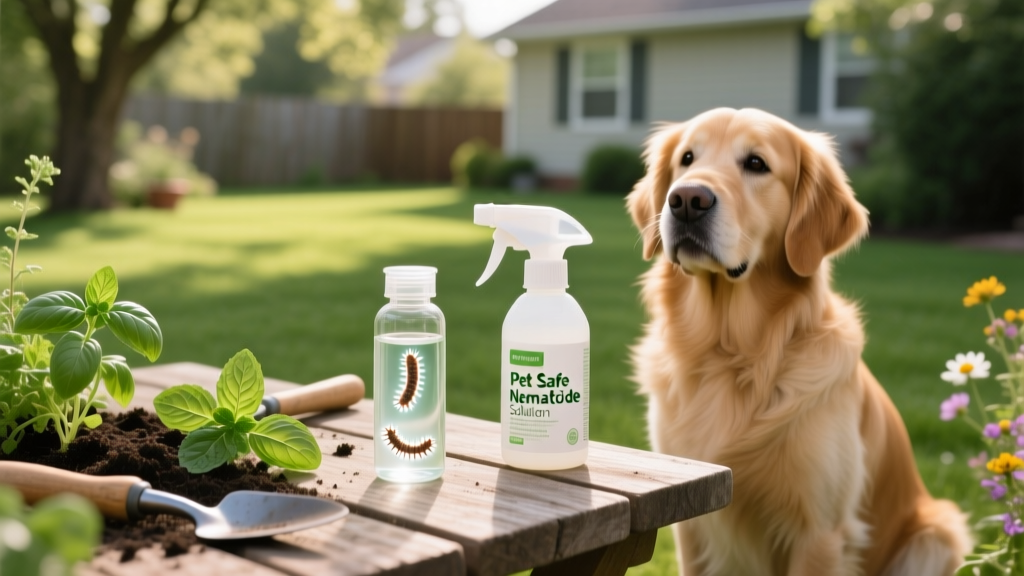
Pet-Safe Flea And Tick Yard Control Using Nematodes
Anna KowalskiPublished
Creating a Safe Outdoor Haven
Creating a safe outdoor haven for your children and furry companions is a top priority for any homeowner. When flea and tick season arrives, the instinct is often to reach for powerful synthetic chemical sprays. However, these conventional treatments can pose severe health risks to your beloved pets and playful toddlers. Fortunately, integrated pest management offers a highly effective, entirely natural alternative: beneficial nematodes. In this comprehensive guide, we will explore how to utilize microscopic roundworms to eradicate flea and tick populations in your yard without introducing toxic residues into your family's environment.
The Hidden Dangers of Synthetic Pesticides
Conventional lawn sprays frequently rely on active ingredients like permethrin, bifenthrin, and various pyrethroids. While highly effective at killing pests on contact, these neurotoxins do not discriminate. According to the ASPCA Animal Poison Control, pyrethroid toxicity is a leading cause of emergency veterinary visits, particularly for cats, who lack the liver enzymes necessary to metabolize these compounds. Even for dogs and children, prolonged exposure to chemical residues on grass blades can lead to skin irritation, gastrointestinal distress if ingested during grooming, and potential long-term endocrine disruption. Furthermore, these broad-spectrum insecticides devastate local ecosystems, wiping out essential pollinators like bees and butterflies, and contaminating local waterways through storm runoff. Transitioning to a pet-safe yard protocol is not just about immediate health; it is about cultivating a sustainable, non-toxic environment.
Enter Beneficial Nematodes: Nature's Microscopic Hunters
Beneficial nematodes are microscopic, unsegmented roundworms that occur naturally in soils worldwide. Unlike parasitic nematodes that harm plants or animals, these specific strains are entomopathogenic, meaning they exclusively target and kill insects. The Environmental Protection Agency (EPA) strongly advocates for the use of biological controls like nematodes as a cornerstone of Integrated Pest Management (IPM). Because they are completely harmless to vertebrates, plants, and earthworms, you can confidently apply them to your lawn while your dogs roam freely and your children play barefoot in the grass.
How Nematodes Eliminate Fleas and Ticks
The mechanism by which nematodes destroy pests is fascinating and highly lethal to insects. When applied to your yard, the nematodes actively seek out their prey by detecting heat, carbon dioxide, and vibrations. Once a nematode locates a flea pupa, tick nymph, or other soil-dwelling pest, it enters the insect's body through natural openings. Inside the host, the nematode releases a symbiotic, insect-specific bacteria (such as Xenorhabdus or Photorhabdus). This bacteria rapidly multiplies, causing septicemia and killing the host insect within 24 to 48 hours. The nematodes then feed on the developing bacteria and insect tissues, reproducing rapidly before bursting out of the dead pest to hunt for the next victim. This biological cycle effectively breaks the reproductive chain of fleas and ticks, collapsing the local population.
Step-by-Step Application Guide
To achieve maximum efficacy, proper application is crucial. Nematodes are living organisms and require specific environmental conditions to survive and thrive.
Step 1: Soil Preparation and Moisture
Nematodes travel through the water film between soil particles. Before application, water your lawn thoroughly. The soil should be moist but not waterlogged. If the soil is dry and cracked, the nematodes will desiccate and die before they can locate their hosts.
Step 2: Timing and Temperature
Never apply nematodes in direct, bright sunlight, as UV radiation is fatal to them. Apply them in the early morning, late afternoon, or on an overcast day. Soil temperatures must be between 55°F and 90°F for the nematodes to remain active. In most regions, this means applying in mid-to-late spring and again in early autumn.
Step 3: Mixing and Spraying
Most commercial nematode products come in a sponge, powder, or gel formulation. Mix the product with water according to the manufacturer's instructions, usually in a hose-end sprayer or a watering can. A standard treatment rate for severe flea infestations is approximately 1 million nematodes per 3,000 square feet. Agitate the sprayer frequently to prevent the microscopic worms from settling at the bottom.
Step 4: Post-Application Watering
Immediately after spraying, water the lawn lightly again. This washes the nematodes off the grass blades and deep into the thatch layer and topsoil where flea larvae and tick nymphs reside. Keep the soil consistently moist for the next 10 to 14 days to ensure the nematodes can move freely and hunt.
Nematode Species Comparison Chart
Not all nematodes target the same pests. Choosing the correct species is vital for your specific pest control needs. Below is a comparison of the most effective strains for yard applications.
| Species | Target Pests | Best Soil Temp | Application Depth |
|---|---|---|---|
| Steinernema carpocapsae | Fleas, Ticks, Cutworms | 70°F - 85°F | Surface / Thatch Layer |
| Steinernema feltiae | Fungus Gnats, Flea Larvae | 55°F - 75°F | Shallow Soil (1-2 inches) |
| Heterorhabditis bacteriophora | White Grubs, Japanese Beetles | 65°F - 85°F | Deeper Soil (2-4 inches) |
Complementary Pet-Safe Yard Maintenance
While nematodes handle the microscopic and soil-dwelling stages of pests, a holistic approach ensures comprehensive protection. The Centers for Disease Control and Prevention (CDC) recommends several landscaping modifications to deter ticks and fleas naturally.
Implement Cedar Mulch Barriers
Ticks despise the natural aromatic oils found in cedar wood chips. Create a three-foot-wide barrier of cedar mulch between your manicured lawn and any adjacent wooded areas, stone walls, or dense brush. This creates a desiccating, repellent border that ticks are highly reluctant to cross.
Strategic Mowing and Debris Removal
Fleas and ticks thrive in cool, humid, shaded environments. Keep your grass mowed to a height of about 2.5 to 3 inches to allow sunlight to penetrate the soil surface, reducing the humidity that pests need to survive. Promptly rake and remove fallen leaves, tall weeds, and organic debris where adult ticks lay their eggs and flea larvae hide from the sun.
Food-Grade Diatomaceous Earth
For localized problem areas, such as around dog houses or patio furniture, apply food-grade diatomaceous earth (DE). DE is a naturally occurring, soft sedimentary rock crumbled into a fine white powder. It works mechanically by absorbing the lipids from the waxy outer layer of insects' exoskeletons, causing them to dehydrate and die. Ensure you purchase strictly food-grade DE, and apply it on dry days, reapplying after heavy rains. Always wear a dust mask during application to avoid inhaling the fine silica particles, though it is entirely safe for pets once settled.
Cost Analysis and Long-Term Value
Investing in biological pest control is surprisingly affordable. A high-quality commercial nematode product covering 3,000 square feet typically costs between $35 and $50. For an average suburban lawn of 6,000 square feet, a single application will cost roughly $70 to $100. Compared to professional chemical spraying services, which can charge $150 to $300 per visit and require monthly reapplications, nematodes offer a cost-effective, sustainable solution. Furthermore, because nematodes reproduce within the host pests, a successful initial application can establish a self-sustaining population that provides residual control for months, drastically reducing the need for continuous treatments.
Conclusion
Protecting your family and pets from vector-borne diseases like Lyme disease and flea-borne tapeworms does not require blanketing your sanctuary in hazardous chemicals. By integrating beneficial nematodes, cedar mulching, and smart landscaping practices, you can cultivate a thriving, pest-resistant yard. Embrace the power of biological pest control and enjoy complete peace of mind every time your family steps outside.