Pest Control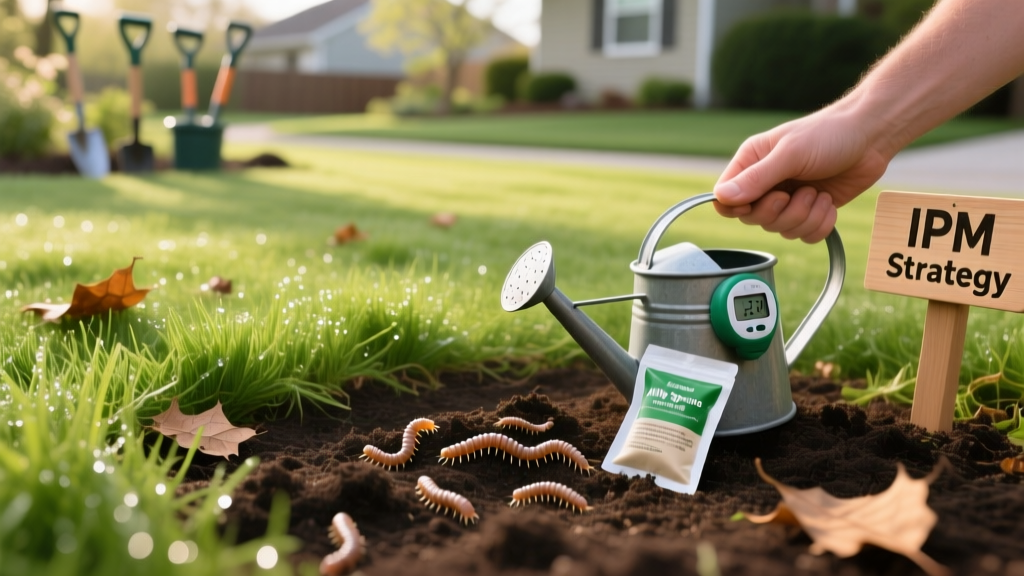
Best Budget-Friendly DIY Lawn Grub Control Methods
Lisa ThompsonPublished
Understanding the Enemy: What Are Lawn Grubs?
If your lawn feels spongy underfoot, rolls back like a carpet, or is being torn apart by foraging birds and skunks, you likely have a grub infestation. Lawn grubs are the C-shaped, white larval stage of various scarab beetles, including Japanese beetles, June bugs, and European chafers. They feed aggressively on grassroots, severing the turf from its water and nutrient supply.
Commercial pest control companies often charge hundreds of dollars for chemical grub preventatives and curatives. However, adopting a budget-friendly DIY approach rooted in Integrated Pest Management (IPM) can save you a significant amount of money while keeping your yard safe for pets and children. According to the EPA's Integrated Pest Management guidelines, prioritizing biological controls and cultural practices over broad-spectrum chemicals is both environmentally responsible and highly cost-effective over time.
The $2 DIY Soap Flush Test for Accurate Identification
Before spending a dime on treatments, you must confirm that grubs are actually the culprit. Guessing can lead to wasted money and unnecessary chemical applications. The most reliable, budget-friendly way to identify a grub problem is the DIY soap flush test.
How to Perform the Soap Flush Test
- Mix the Solution: Combine 2 tablespoons of liquid dish soap (lemon-scented works exceptionally well) with 1 gallon of water in a standard watering can.
- Apply to the Lawn: Pour the mixture over a 2-square-foot area of turf where you suspect grub activity, particularly at the border of damaged and healthy grass.
- Wait and Observe: Wait 5 to 10 minutes. The soap irritates the grubs and other soil-dwelling pests, forcing them to the surface.
- Count the Pests: If you see 5 or more grubs in that 2-square-foot area, treatment is economically justified. If you see fewer, your lawn can likely tolerate the population without visible damage.
This test not only confirms grubs but can also reveal other hidden pests like chinch bugs or armyworms, allowing you to tailor your DIY strategy accordingly.
Budget-Friendly Biological Controls
When thresholds are exceeded, biological controls offer a highly effective, organic alternative to expensive synthetic pesticides like imidacloprid or chlorantraniliprole.
1. Beneficial Nematodes (The Curative Approach)
Beneficial nematodes are microscopic, unsegmented worms that naturally occur in soil. Specific strains, namely Heterorhabditis bacteriophora (Hb) and Steinernema carpocapsae (Sc), actively hunt down and infect white grubs, releasing bacteria that kill the host within 48 hours.
- Cost: Approximately $30 to $50 for a package treating 10,000 square feet.
- Timing: Apply in late summer or early fall when grubs are young, small, and feeding near the soil surface.
- DIY Application Rules: Nematodes are living organisms. You must store them in the refrigerator upon arrival. Apply them at dusk or on a cloudy day to protect them from UV light. Water the lawn lightly before application, and water heavily immediately after to wash the nematodes off the grass blades and into the soil.
University of Kentucky entomologists note in their white grub fact sheet that Hb nematodes are particularly effective against a wide range of scarab beetle larvae when soil temperatures are between 60°F and 85°F.
2. Milky Spore Disease (The Long-Term Investment)
Milky spore (Paenibacillus popilliae) is a naturally occurring bacterium that specifically targets Japanese beetle grubs. When a grub ingests the spores, the bacteria multiply inside its body, turning its hemolymph (blood) a milky white and eventually killing it. The dead grub decomposes, releasing billions of new spores into the soil.
- Cost: Roughly $45 for a 40-ounce tube treating 10,000 square feet.
- Longevity: While the upfront cost is moderate, a single application remains active in the soil for 15 to 20 years, making the long-term cost pennies per year.
- DIY Application Grid: Use a teaspoon to drop a small amount of milky spore powder every 4 feet in a grid pattern across your lawn. Lightly water it in. Do not till or aggressively dethatch the area afterward, as the spores need to remain undisturbed in the topsoil.
Free and Low-Cost Cultural Controls (IPM)
The cornerstone of any budget-friendly pest management plan is altering the environment to make it less hospitable to pests and more resilient to damage.
Smart Watering Strategies
Grub eggs and young larvae require consistent soil moisture to survive the heat of late summer. Many homeowners inadvertently create the perfect grub nursery by watering their lawns lightly every day. Instead, switch to deep, infrequent watering. Providing your lawn with 1 to 1.5 inches of water once a week encourages deep root growth while allowing the top layer of soil to dry out, which naturally desiccates grub eggs and early-instar larvae.
Mowing High and Thatch Management
Set your mower deck to 3 or 4 inches. Taller grass blades support deeper, more robust root systems. A lawn with deep roots can withstand significantly more grub feeding before showing visible signs of stress or browning. Furthermore, avoid letting thatch build up beyond 0.5 inches. A thick thatch layer acts as a barrier, preventing biological controls like nematodes from reaching the soil and providing a safe haven for adult beetles to lay eggs.
Cost and Efficacy Comparison Chart
Understanding the financial and practical differences between DIY and conventional methods helps you allocate your landscaping budget wisely.
| Treatment Method | Upfront Cost (per 5,000 sq ft) | Long-Term Cost | Target Pests | Efficacy Timeline |
|---|---|---|---|---|
| Beneficial Nematodes (Hb) | $15 - $25 | Moderate (Annual application) | Most white grub species | 3 to 7 days |
| Milky Spore Powder | $20 - $25 | Extremely Low (Lasts 15+ years) | Japanese beetle grubs only | 1 to 3 years to establish |
| DIY Soap Flush (Detection) | < $1 | N/A | Identification only | Immediate |
| Chemical Preventative (Pro) | $75 - $150 | High (Recurring annual contracts) | All grub species | Preventative (Months) |
| Cultural Controls (Watering) | $0 | Low (Water bill reduction) | Egg/Larvae desiccation | Ongoing |
Repairing Grub Damage on a Budget
If grubs have already destroyed sections of your lawn, you do not need to hire a professional landscaper to resod the area. DIY lawn repair is highly cost-effective if done with the right timing and materials.
- Remove Dead Turf: Use a standard garden rake to vigorously scratch away the dead, rootless grass and thatch. This exposes the bare soil for seed-to-soil contact.
- Topdress with Compost: Instead of buying expensive bagged topsoil, source bulk screened compost from a local municipal yard waste facility (often free or under $30 a cubic yard). Spread a thin 1/4-inch layer over the bare patches.
- Overseed Strategically: Choose a drought-tolerant, endophyte-enhanced turfgrass blend. Endophytes are beneficial fungi that live inside the grass blades and naturally deter surface-feeding insects. Cover the seed lightly with peat moss or straw to retain moisture.
- Roll the Area: Rent a lawn roller for half a day (approx. $25) or use a DIY water-filled barrel to press the seed firmly into the compost.
According to Penn State Extension, maintaining a diverse lawn with multiple turfgrass species and integrating organic matter like compost drastically reduces the severity of future grub outbreaks by promoting a robust, competitive root ecosystem.
Attracting Natural Predators
Nature provides free pest control if you invite it into your yard. Starlings, robins, crows, and even backyard chickens are voracious consumers of white grubs. While you cannot control wild bird populations, you can encourage their presence by providing shallow birdbaths and avoiding the use of broad-spectrum insecticides that harm the broader food web. A single starling can consume hundreds of grubs in a single afternoon, acting as a highly effective, zero-cost curative treatment.
Final Thoughts on DIY Pest Management
Managing lawn grubs does not require an expensive contract with a chemical lawn care company. By utilizing the $2 soap flush test to monitor populations, applying biological controls like beneficial nematodes and milky spore, and adjusting your mowing and watering habits, you can maintain a pristine lawn for a fraction of the cost. Budget-friendly DIY pest control is not just about saving money; it is about fostering a resilient, biologically diverse lawn that can naturally defend itself against pests year after year.