
Landscaping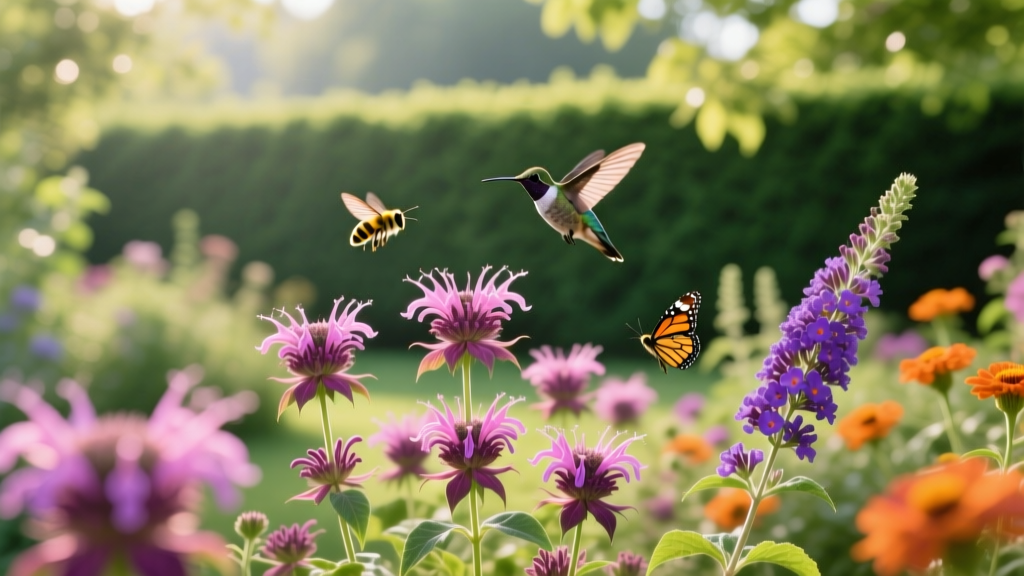
2026 Pollinator Garden Design: Bee Balm & Butterfly Bush Layout
Anna KowalskiPublished
The Rise of Pollinator Landscaping in 2026
As we navigate the landscaping trends of 2026, the shift toward ecological yard management has never been more pronounced. Homeowners and landscape architects alike are moving away from sterile, high-maintenance turfgrass lawns and embracing vibrant, wildlife-friendly habitats. At the heart of this movement is the deliberate design of pollinator gardens. With native bee populations and migratory butterfly species facing ongoing environmental pressures, creating dedicated refuges in our own backyards is both a rewarding hobby and a critical ecological responsibility. According to the Xerces Society for Invertebrate Conservation, even small, carefully planned urban and suburban garden beds can serve as vital stepping stones for foraging pollinators.
When designing a pollinator garden, selecting the right anchor plants is crucial for establishing a continuous nectar flow and providing structural habitat. Two of the most powerful, visually striking, and ecologically valuable plants you can incorporate into your 2026 landscape are Bee Balm (Monarda) and Butterfly Bush (Buddleja). When paired correctly, these two species create a dynamic, multi-tiered garden layout that attracts a diverse array of wildlife, from tiny native sweat bees to large swallowtail butterflies and territorial hummingbirds.
Understanding Your Star Plants
Bee Balm (Monarda didyma)
Bee Balm, a member of the mint family, is a native North American perennial celebrated for its shaggy, tubular flowers and highly aromatic foliage. The tubular shape of the blooms is specifically evolved to accommodate the long tongues of bumblebees, native honeybees, and hummingbirds. In 2026, landscape professionals heavily recommend planting mildew-resistant cultivars to ensure the garden remains visually appealing throughout the humid summer months. Top-tier varieties include 'Jacob Cline', which boasts vibrant crimson-red flowers and excellent resistance to powdery mildew, and 'Purple Prince', which offers striking lavender-purple blooms. Bee Balm spreads via underground rhizomes, making it an excellent choice for filling in gaps and creating dense, weed-suppressing drifts in your garden bed.
Butterfly Bush (Buddleja davidii)
Butterfly Bush is renowned for its massive, cone-shaped panicles that act as magnetic beacons for butterflies, particularly Monarchs and Painted Ladies. Historically, some older varieties of Buddleja were criticized for their invasive tendencies, as they produced copious amounts of wind-blown seeds. However, the horticultural industry has completely revolutionized this species. As of 2026, local ecological guidelines and nursery standards heavily favor sterile or near-sterile cultivars that provide all the nectar benefits without the risk of escaping into local wildlands. The 'Blue Chip' Lo & Behold series and the Flutterby Petite series are exceptional, compact, and sterile options that keep your garden compliant with modern environmental stewardship practices while delivering non-stop summer color.
Strategic Garden Layout: Spacing, Sun, and Soil
Designing the physical layout of your pollinator garden requires an understanding of both plant habit and wildlife behavior. Pollinators prefer large, concentrated drifts of color rather than single, isolated plants. By grouping plants in clusters of three to five, you create a highly visible target for passing butterflies and bees, reducing the energy they expend while foraging.
Sunlight Requirements: Both Bee Balm and Butterfly Bush demand full sun to thrive and produce maximum nectar. Select a site that receives at least six to eight hours of direct, unfiltered sunlight daily. Insufficient sunlight will result in leggy growth, reduced flowering, and a higher susceptibility to fungal diseases.
Soil Preparation and Drainage: While Bee Balm prefers consistently moist, rich soil, the Butterfly Bush demands exceptionally well-draining soil and will suffer from root rot in heavy, waterlogged clay. To reconcile these needs in a single garden bed, amend your native soil with a 50/50 mix of organic compost and coarse horticultural sand or perlite. In 2026, the average cost for bulk organic compost is approximately $35 to $50 per cubic yard, making soil amendment a highly cost-effective investment for long-term plant health. Raised berming or slight mounding of the soil can also improve drainage for the Buddleja while allowing moisture to settle in the lower areas where Monarda prefers to grow.
Spacing and Arrangement: Proper spacing ensures adequate air circulation, which is vital for preventing powdery mildew on Bee Balm. Space Bee Balm plants 18 to 24 inches apart. For standard Butterfly Bushes, allow 4 to 6 feet between plants; if you are using dwarf sterile varieties like 'Blue Chip', a spacing of 2 to 3 feet is sufficient. Arrange the taller Butterfly Bushes toward the back or center of the bed, with the mid-height Bee Balm planted in the foreground or flanking the edges. This tiered approach ensures all plants receive adequate sunlight and provides a beautiful, stadium-style viewing experience from your patio or windows.
Plant Comparison and Care Chart
Use the following data table to compare the core characteristics and maintenance requirements of these two pollinator powerhouses:
| Feature | Bee Balm (Monarda) | Butterfly Bush (Buddleja) |
|---|---|---|
| Mature Height | 2 to 4 feet | 4 to 10 feet (Dwarf: 2 to 3 feet) |
| Bloom Time | Early to Mid-Summer | Mid-Summer to First Frost |
| Primary Wildlife | Hummingbirds, Bumblebees | Swallowtails, Monarchs, Skippers |
| Soil Moisture | Medium to Wet | Dry to Medium (Well-Drained) |
| Pruning Needs | Divide every 2-3 years | Hard prune in early spring |
| 2026 Avg. Cost (1 Gal) | $18 - $24 | $22 - $28 |
Companion Planting for Continuous Bloom
To manage wildlife effectively throughout the entire growing season, your garden must offer a continuous sequence of blooms. While Bee Balm peaks in early summer and Butterfly Bush dominates the late summer heat, you should interplant complementary species to bridge the gaps. According to guidelines published by the University of Minnesota Extension, incorporating native coneflowers (Echinacea purpurea) and late-blooming New England Asters (Symphyotrichum novae-angliae) will ensure that migrating Monarchs have a reliable fuel source during their autumn journey. Plant these companions in the mid-ground layer, weaving them between your primary anchor plants to create a diverse, resilient ecosystem.
Wildlife Management: Pests, Predators, and Pesticides
A true pollinator garden requires a paradigm shift in how you manage pests. In a wildlife-friendly landscape, the goal is not eradication, but balance. Aphids and spider mites may occasionally appear on the tender new growth of Bee Balm, but reaching for synthetic chemical pesticides is strictly forbidden in a pollinator habitat. Broad-spectrum insecticides, particularly neonicotinoids, are highly toxic to the very bees and butterflies you are trying to attract.
Instead, employ integrated pest management (IPM) strategies. Encourage natural predators by leaving small, undisturbed brush piles near the garden edge to harbor ground beetles and spiders. If aphid populations become unsightly, use a strong blast of water from your garden hose to dislodge them, or apply a targeted, organic insecticidal soap strictly in the late evening when pollinators are no longer foraging. The National Wildlife Federation strongly advocates for these organic, observation-based pest management techniques to maintain a safe haven for beneficial insects.
Seasonal Maintenance for Maximum Habitat Value
Maintaining a pollinator garden in 2026 means rethinking traditional autumn cleanup routines. While it may be tempting to cut all perennials down to the ground in November, doing so destroys critical overwintering habitat. Many native bee species are solitary and nest in the hollow, pithy stems of dead perennials. Butterflies, such as the Mourning Cloak, overwinter as adults in leaf litter and garden debris.
Autumn Strategy: Leave the spent flower heads of your Butterfly Bush intact through the winter. Not only do they provide architectural interest in the snowy landscape, but they also offer foraging opportunities for overwintering birds like chickadees and finches. Allow the Bee Balm stems to stand until early spring.
Spring Strategy: Wait until daytime temperatures consistently reach 50°F (10°C) before cutting back dead stems. This crucial delay ensures that any beneficial insects hibernating inside the plant material have the chance to emerge naturally. When you do prune the Butterfly Bush, cut it back hard to about 12 to 18 inches above the soil line to stimulate vigorous, flower-producing new wood. Divide your Bee Balm clumps every three years in the early spring to prevent the center from dying out and to propagate new plants for other areas of your yard.
Conclusion
Designing a pollinator garden with Bee Balm and Butterfly Bush is one of the most impactful landscaping projects you can undertake this year. By carefully selecting sterile cultivars, preparing well-draining soil, and adopting wildlife-friendly maintenance routines, you transform your yard into a thriving ecological hub. As you watch the hummingbirds battle over the crimson Monarda blooms and the Monarchs gracefully navigate the purple Buddleja panicles, you will know that your 2026 landscape design is not just beautiful, but profoundly beneficial to the natural world.

