Pest Control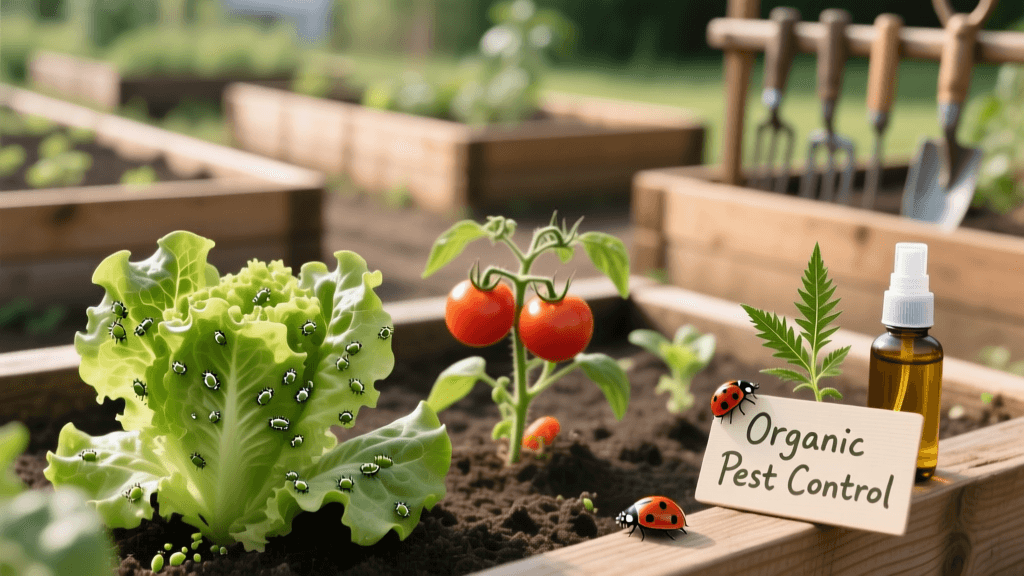
Beginner's Guide to Aphid Control in Vegetable Gardens
Welcome to the Garden: Meeting Your First Pest
Every new gardener eventually experiences the rite of passage that is discovering aphids on their prized tomato plants, tender lettuce, or blooming nasturtiums. While seeing your first pest can feel like a gardening emergency, aphids are a completely normal part of the garden ecosystem. The good news? They are also one of the easiest pests to manage using Integrated Pest Management (IPM) principles. This beginner-friendly guide will walk you through exactly how to identify, treat, and prevent aphids in your first vegetable garden without resorting to harsh, synthetic chemicals.
What Exactly Are Aphids?
Aphids are tiny, soft-bodied, pear-shaped insects that feed by sucking the phloem (sap) from plant leaves and stems. They are incredibly prolific breeders; a single female can give birth to dozens of live young without ever mating, leading to explosive population growth in the warm months of late spring and early summer. According to the University of California Integrated Pest Management (UC IPM) program, aphids come in a variety of colors, including green, black, red, yellow, and brown, depending on the species and their host plant. While a few aphids will not harm a mature plant, a massive colony can stunt growth, transmit viral diseases, and cause severe leaf distortion.
Spotting the Signs: How to Identify Aphid Damage
Because aphids are small and often hide on the undersides of leaves, you will usually notice the damage before you see the insects themselves. Keep an eye out for the following warning signs during your daily garden walks:
- Curled or Distorted Leaves: As aphids inject their saliva into the plant tissue to extract sap, the leaves will often cup, curl, or pucker.
- Yellowing and Stunting: New growth may appear stunted, pale, or yellowed due to the loss of vital nutrients.
- Honeydew and Sooty Mold: Aphids excrete a sticky, sugar-rich substance called honeydew. If you notice a shiny, sticky residue on your plant's leaves, or a black, powdery fungus (sooty mold) growing on that residue, you have an aphid problem.
- Cast Skins: As aphids grow, they shed their exoskeletons. You may see tiny white, flaky specks on the leaves or soil below the colony.
The Secret Ant-Aphid Alliance
If you see ants marching up and down the stems of your vegetable plants, look closer. As noted by University of Minnesota Extension entomologists, ants actively 'farm' aphids for their sweet honeydew. The ants will protect aphids from beneficial predators like ladybugs and lacewings, and even carry them to new, healthy plants. Controlling the ant population by using sticky barriers on plant stakes or raised bed legs is a crucial first step in managing aphids.
The Beginner’s Toolkit: Organic Aphid Control Methods
When treating pests in a vegetable garden where you intend to harvest food, organic and low-toxicity methods are paramount. Below is a comparison chart of the most effective, beginner-friendly treatments.
| Control Method | Estimated Cost | Application Timing | Best For |
|---|---|---|---|
| Water Blast | Free | Morning (to allow drying) | Light, early infestations |
| Insecticidal Soap | $10 - $15 | Early Morning / Late Evening | Moderate infestations |
| Neem Oil | $12 - $18 | Dusk (Post-Pollinator Activity) | Stubborn outbreaks & fungal issues |
| Ladybugs (Beneficials) | $15 - $30 | Evening, after watering | Long-term prevention & IPM |
Step-by-Step Action Plan for Your First Infestation
Integrated Pest Management dictates that we start with the least toxic intervention and escalate only if necessary. Follow these steps in order to eradicate aphids from your garden safely.
Step 1: The Water Hose Method (Cost: Free)
Before buying any products, try the simplest solution: a strong jet of water. Aphids are weak fliers and poor climbers. By directing a sharp stream of water from your garden hose at the undersides of the infested leaves, you can physically knock the majority of the colony off the plant. Once dislodged, most aphids will die on the soil surface before they can climb back up. Do this early in the morning so the plant foliage has time to dry in the sun, which prevents secondary fungal issues like powdery mildew.
Step 2: Insecticidal Soap (Cost: $10 - $15)
If the water blast does not solve the problem, move to insecticidal soap. Products like Safer Brand Insect Killing Soap Concentrate utilize potassium salts of fatty acids to break down the protective outer cuticle of soft-bodied insects, causing them to dehydrate and die. How to use: Mix 2.5 tablespoons of concentrate per gallon of water in a pump sprayer. Thoroughly coat the tops and bottoms of the leaves. Crucial Tip: Only apply soap when temperatures are below 85°F (29°C) and out of direct sunlight to prevent leaf burn. You must reapply every 4 to 7 days, as soap has no residual effect and will not kill aphid eggs.
Step 3: Neem Oil Treatment (Cost: $12 - $18)
For severe, stubborn infestations, cold-pressed Neem Oil (such as Bonide Neem Oil Concentrate) is your best organic defense. Neem oil contains Azadirachtin, a compound that disrupts the aphid's hormonal system, stopping them from feeding and reproducing. It also acts as a smothering agent. How to use: Mix 1 ounce of neem oil and a half-teaspoon of mild liquid dish soap (to act as an emulsifier) into a gallon of water. Spray at dusk to avoid harming foraging bees and to prevent the oil from magnifying the sun's rays and scorching your vegetable leaves.
Preventative Strategies for Next Season
The ultimate goal of IPM is to prevent pests from reaching damaging levels in the first place. According to Texas A&M Agrilife Extension, fostering a diverse garden ecosystem is the best long-term defense against aphids.
- Avoid Excess Nitrogen: Aphids love the lush, tender new growth produced by high-nitrogen synthetic fertilizers. Use slow-release, organic compost instead to promote steady, resilient plant growth.
- Companion Planting: Plant trap crops like nasturtiums a short distance away from your vegetable beds to lure aphids away from your prized crops. Conversely, plant strong-smelling alliums (garlic, chives, onions) near your tomatoes and peppers to naturally repel them.
- Attract Beneficial Insects: Plant umbelliferous flowers like dill, fennel, yarrow, and sweet alyssum. These provide nectar and pollen for parasitic wasps, hoverflies, and ladybugs—the natural enemies of the aphid.
'A garden without aphids is a garden without beneficial insects. Tolerate a small population of pests, as they are the necessary food source that keeps your good bugs in the yard.' — Principle of Integrated Pest Management
Final Thoughts for the Beginner Gardener
Discovering aphids in your first vegetable garden is not a sign of failure; it is an opportunity to learn about the delicate balance of garden ecology. By utilizing a simple blast of water, targeted organic sprays, and smart companion planting, you can protect your harvest while keeping your garden safe for pollinators, pets, and your family. Grab your hose, inspect those leaf undersides, and take control of your garden ecosystem today.