Pest Control
Beginner Guide to Chinch Bug Identification and Control
What Are Chinch Bugs and Why Do They Target Lawns?
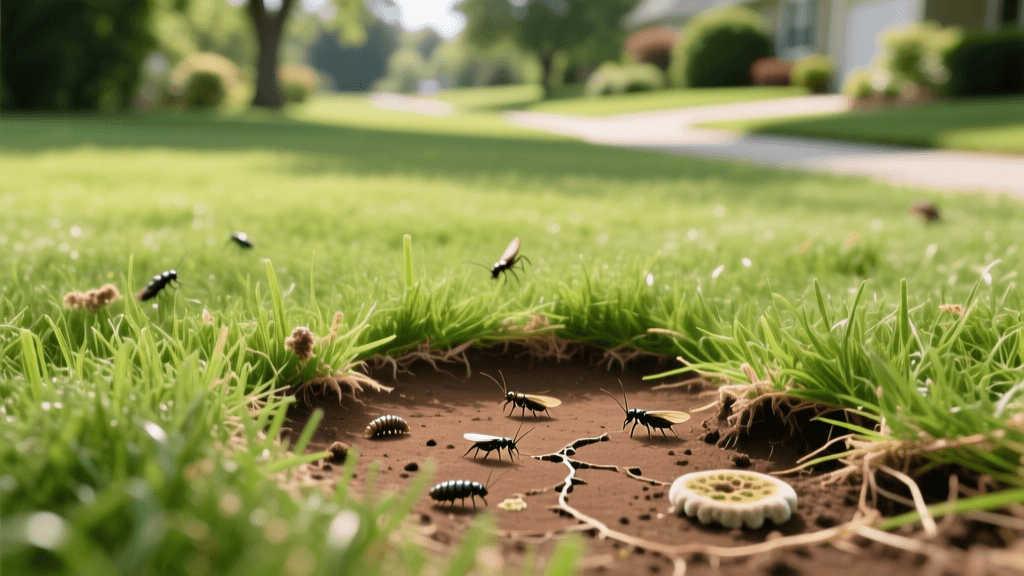
For beginner gardeners and new homeowners, maintaining a lush, green lawn can feel like an overwhelming puzzle. Just when you think you have your watering and mowing schedule perfected, brown patches begin to appear. While drought or fungal diseases are common culprits, one of the most destructive—and frequently misdiagnosed—lawn pests in the United States is the southern chinch bug (Blissus insularis). According to the University of Florida IFAS Entomology Department, chinch bugs are the most destructive insect pest of St. Augustinegrass, though they will also attack zoysia, centipede, and bahiagrass.
Chinch bugs damage your lawn by piercing the grass blades with their needle-like mouthparts and sucking out the plant juices. More importantly, they inject a toxic saliva that clogs the grass's vascular system, preventing water and nutrients from reaching the leaves. This is why chinch bug damage often mimics drought stress, leading many beginners to overwater their lawns, which only exacerbates fungal issues and creates a more hospitable environment for the pests.
How to Identify a Chinch Bug Infestation
Before you spend money on treatments, you must confirm that chinch bugs are the actual problem. Misidentification is the most common beginner mistake in lawn pest control.
Visual Symptoms
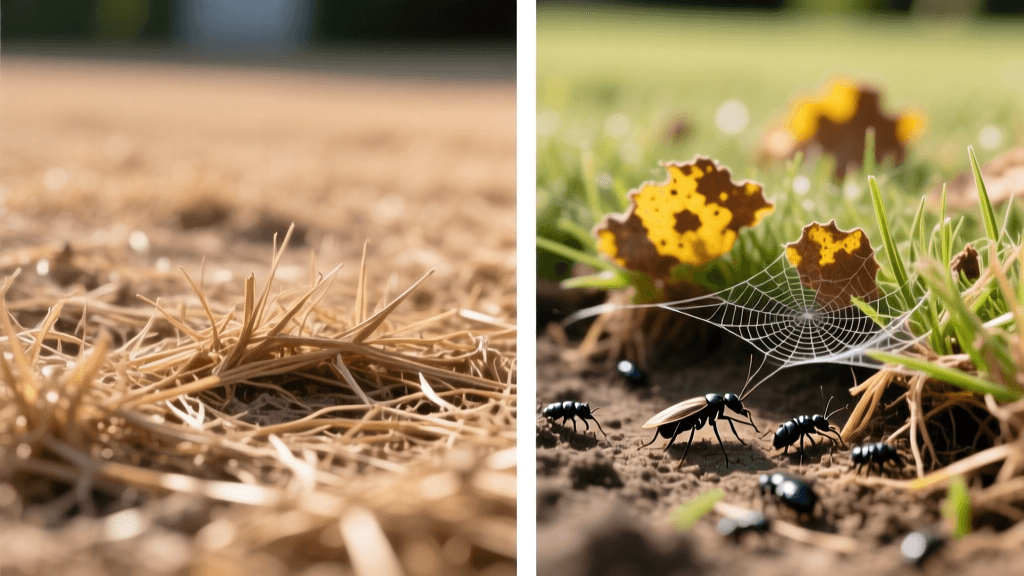
Chinch bugs thrive in hot, dry, and sunny areas. You will typically notice damage first near driveways, sidewalks, or the edges of your lawn where the soil dries out fastest. The grass will first turn yellow, then rapidly progress to a straw-like brown, and eventually die. Unlike drought-stressed grass, chinch bug-damaged grass will not bounce back after a heavy rain or deep watering.
The 'Coffee Can' Flotation Test
To confirm their presence, use the flotation method recommended by turfgrass experts:
- Take a large metal coffee can (or a PVC pipe) and remove both the top and bottom lids.
- Push the can about two inches into the soil at the edge of a damaged brown patch (where dead grass meets healthy green grass).
- Fill the can with water and keep it full for about five minutes.
- Count the bugs that float to the surface. If you see 20 or more chinch bugs per can, treatment is absolutely necessary.
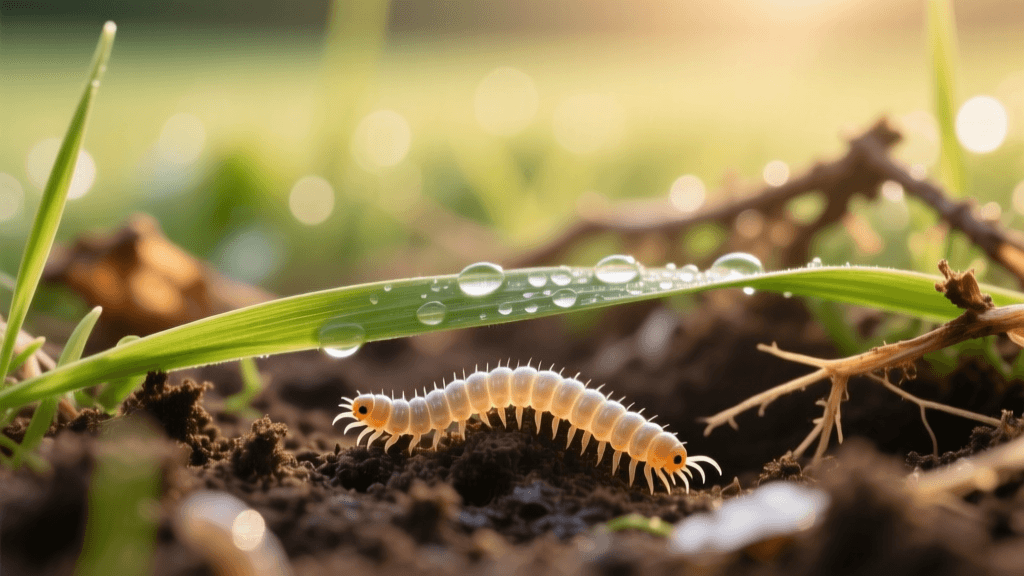
Adults are small (about 1/6 inch long), black with white wings folded over their backs, featuring a distinct black triangular mark. Nymphs are smaller, wingless, and range from bright red to orange with a white band across their abdomens.
Chinch Bug Life Cycle and Treatment Timing
Timing your intervention is critical. Chinch bugs can produce three to five generations per year in warmer climates, meaning populations can explode in a matter of weeks. Below is a seasonal management table to help beginners plan their Integrated Pest Management (IPM) strategy.
| Season | Pest Activity | Beginner Action Plan |
|---|---|---|
| Early Spring | Overwintering adults emerge as temperatures reach 70°F. | Dethatch lawn; apply slow-release nitrogen fertilizer to promote deep root growth. |
| Early Summer | First major generation hatches; nymphs begin feeding heavily. | Perform weekly coffee can tests. Apply biological controls like beneficial nematodes. |
| Mid-to-Late Summer | Peak populations; severe lawn damage visible in sunny zones. | Apply targeted chemical insecticides if thresholds (20+ bugs/can) are exceeded. |
| Autumn | Adults seek shelter in thatch and soil crevices for winter. | Aerate compacted soil; avoid late-season high-nitrogen fertilization. |
Beginner-Friendly Treatment Options
When dealing with lawn pests, a holistic approach known as Integrated Pest Management (IPM) yields the best long-term results. The Environmental Protection Agency (EPA) highly recommends starting with cultural and biological controls before reaching for synthetic chemicals.
1. Cultural Controls (Prevention)
Chinch bugs love stressed grass and thick thatch layers. Thatch provides a perfect, pesticide-resistant hiding spot for them.
- Watering: Water deeply but infrequently. Aim for 1 to 1.5 inches of water per week. Frequent, shallow watering encourages shallow roots and creates the perfect humid microclimate at the soil line for chinch bug nymphs.
- Mowing: Never scalp your lawn. Keep St. Augustinegrass at a height of 3 to 4 inches. Taller grass shades the soil, reducing the heat stress that attracts chinch bugs.
- Thatch Management: If your thatch layer exceeds 0.5 inches, rent a vertical mower or power rake to dethatch the lawn in the spring.
2. Biological Controls
Nature has its own pest control agents. Big-eyed bugs, lacewings, and predatory earwigs naturally prey on chinch bugs. Avoid broad-spectrum insecticides early in the season to preserve these beneficial insects.
Additionally, you can apply beneficial nematodes (specifically Steinernema scapterisci). These microscopic worms hunt down chinch bug nymphs in the soil. A commercial application covering 5,000 square feet typically costs between $30 and $45. Apply them in the late afternoon when the soil is moist, and water them in immediately to protect them from UV light.
3. Chemical Controls
If the infestation is severe and the flotation test reveals more than 20 bugs per can, chemical intervention is required to save the turf. According to turfgrass specialists at Texas A&M AgriLife Extension, rotating chemical classes is vital because chinch bugs have developed widespread resistance to certain pyrethroids.
- Bifenthrin (e.g., Talstar P): A popular pyrethroid. Cost is roughly $50 for a 16 oz bottle, which treats up to 16,000 sq ft. Mix at a rate of 0.5 to 1.0 oz per gallon of water for every 1,000 sq ft.
- Carbaryl (e.g., Sevin): An excellent alternative if you suspect pyrethroid resistance. Available in liquid and granular forms. Granular applications cost about $25 for a 10 lb bag covering 5,000 sq ft and must be watered in immediately to reach the soil surface where the bugs hide.
- Clothianidin + Bifenthrin (e.g., Aloft): A combination product that provides quick knockdown and long-lasting residual control. Best applied by advanced beginners due to stricter handling requirements.
Safety Note: Always wear long sleeves, pants, and chemical-resistant gloves when mixing and applying liquid pesticides. Keep children and pets off the treated lawn until the application has completely dried.
Step-by-Step Recovery Plan for Damaged Lawns
Once the chinch bugs are eradicated, you must address the dead patches. Chinch bug damage is often permanent, meaning the grass will not simply 'green up' again. Here is how beginners can repair the lawn:
- Rake the Debris: Vigorously rake out the dead, straw-like grass to expose the soil. This ensures new seed or sod makes direct soil contact.
- Topdress and Amend: Apply a thin layer (about 1/4 inch) of high-quality compost to improve soil biology and moisture retention.
- Replant: For St. Augustine or Zoysia, seeding is rarely effective for spot repairs. Instead, purchase grass plugs from a local nursery. Plugs cost between $0.50 and $1.00 each. Plant them on 12-inch centers in the damaged areas.
- Watering for Establishment: Keep the new plugs consistently moist for the first 14 days. Water lightly twice a day, then transition back to your standard deep-watering schedule.
Common Beginner Mistakes to Avoid
As you navigate your first few seasons of lawn pest management, avoid these frequent pitfalls:
- Treating without testing: Applying expensive chemicals for a fungus problem won't kill chinch bugs, and vice versa. Always do the coffee can test.
- Over-fertilizing: High levels of quick-release nitrogen create lush, tender grass that acts like an all-you-can-eat buffet for chinch bugs. Stick to slow-release, organic fertilizers.
- Ignoring the borders: Chinch bugs often migrate from neighboring properties or unmanaged ditches. Always treat a 5-foot buffer zone around the perimeter of your lawn if you have a history of infestations.
By combining vigilant monitoring, proper cultural practices, and targeted treatments, even a complete beginner can maintain a thick, resilient lawn that naturally resists chinch bug invasions. Remember that a healthy, deeply rooted turf is always your best defense against turf-destroying pests.