Pest Control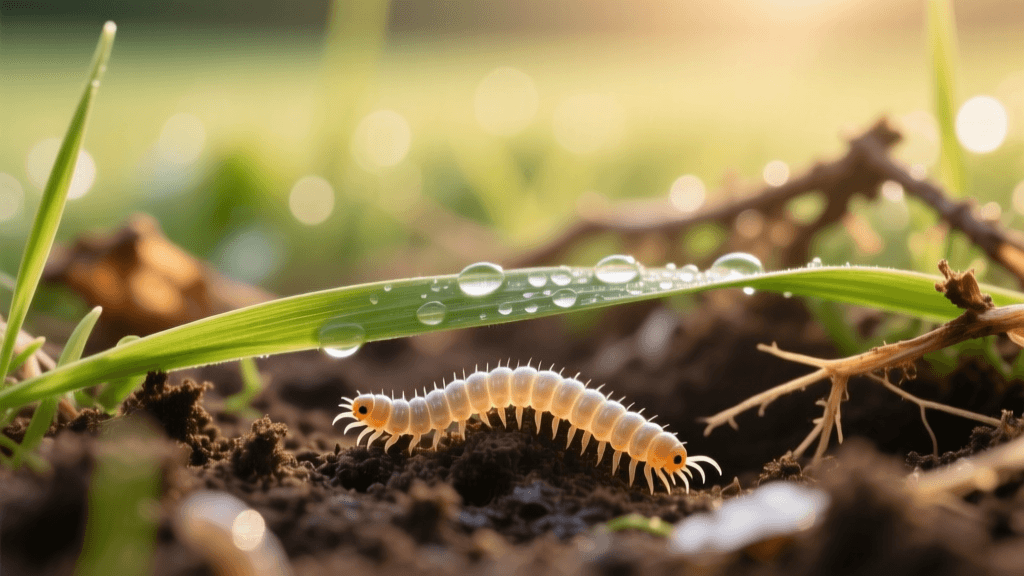
Beneficial Nematodes: The Eco-Friendly Guide to Grub Control
The Hidden Threat of Lawn Grubs and the Shift to Sustainability
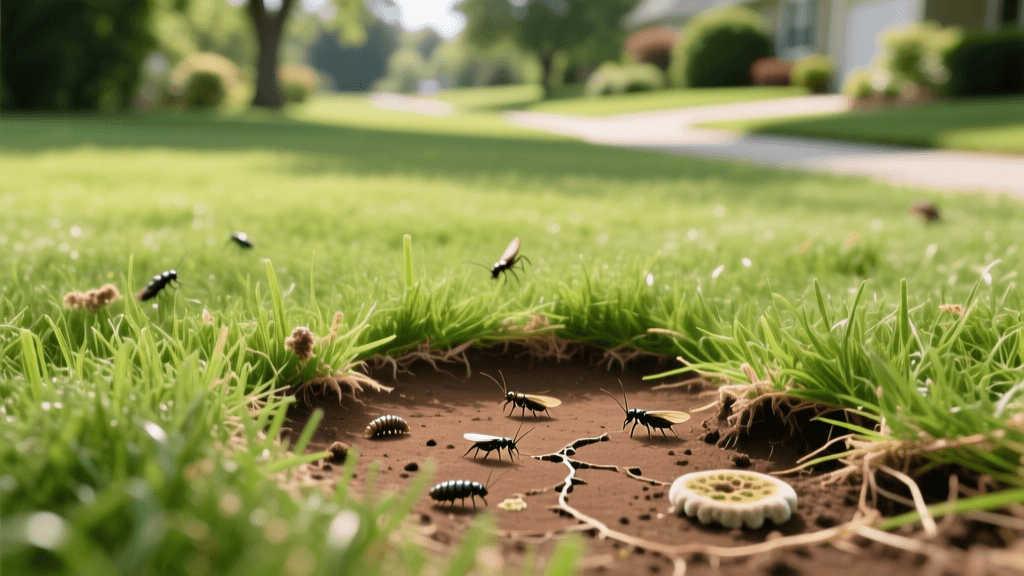
For homeowners striving to maintain a lush, vibrant lawn, few pests are as destructive and frustrating as white grubs. These C-shaped larvae of various scarab beetles—including Japanese beetles, June bugs, and European chafers—feed voraciously on grassroots. This subterranean feeding severs the turf from its soil base, leading to spongy patches, severe browning, and ultimately, large sections of dead grass that can be rolled back like a carpet. Historically, the default response to a grub infestation has been the heavy application of synthetic chemical pesticides, particularly neonicotinoids like imidacloprid and halofenozide. While effective, these chemicals pose significant environmental risks, including toxicity to essential pollinators, aquatic life, and beneficial soil organisms.
As environmental awareness grows, the paradigm of lawn care is shifting toward Integrated Pest Management (IPM). According to the Environmental Protection Agency (EPA), IPM focuses on long-term prevention of pests through a combination of techniques such as biological control, habitat manipulation, and modification of cultural practices. In the realm of biological grub control, one microscopic hero has emerged as the gold standard for eco-friendly and sustainable lawn care: the beneficial nematode.
What Are Beneficial Nematodes?
Beneficial nematodes, specifically entomopathogenic nematodes, are microscopic, unsegmented roundworms that occur naturally in soils across the globe. Unlike plant-parasitic nematodes that damage roots, these specific species are lethal only to soil-dwelling insects. They operate as nature's ultimate biological assassins. When applied to your lawn, the infective juvenile nematodes actively hunt down grub larvae, entering their bodies through natural openings such as the mouth, anus, or spiracles.
Once inside the host, the nematodes release a symbiotic bacteria (either Xenorhabdus or Photorhabdus species). This bacteria rapidly multiplies, killing the grub within 24 to 48 hours by inducing septicemia. The nematodes then feed on the developing bacteria and decomposing host tissue, reproducing rapidly. Within 10 to 14 days, thousands of new infective juveniles emerge from the dead grub carcass to seek out new prey. According to Penn State Extension, this biological cycle makes nematodes incredibly efficient at collapsing grub populations without leaving toxic residues in the soil, making them entirely safe for humans, pets, earthworms, and above-ground beneficial insects.
Selecting the Right Nematode Species for Grub Control
Not all nematodes are created equal. Different species exhibit unique host-seeking behaviors and environmental preferences. For white grub control, selecting the correct species is paramount to achieving a high mortality rate. The two most prominent genera used in turfgrass management are Heterorhabditis and Steinernema.
Heterorhabditis bacteriophora (commonly abbreviated as Hb) is widely considered the most effective species for deep-dwelling white grubs. Hb nematodes are 'cruise-hunters' that actively migrate through the soil profile to find hosts. Conversely, Steinernema carpocapsae (Sc) is an 'ambush-hunter' that tends to stay near the soil surface, making it highly effective against surface-dwelling pests like armyworms and cutworms, but less reliable for deep grubs. Below is a comparison chart to help you choose the right biological control agent for your lawn.
| Control Agent | Target Pests | Optimal Soil Temp | Application Depth | Longevity in Soil |
|---|---|---|---|---|
| H. bacteriophora (Hb) | Japanese Beetles, June Bugs, European Chafers | 60°F - 85°F | Deep (2-6 inches) | Season-long with reproduction |
| S. carpocapsae (Sc) | Cutworms, Armyworms, Webworms | 55°F - 80°F | Surface (Top 1 inch) | Short-term (Weeks) |
| Milky Spore Disease | Japanese Beetle Grubs ONLY | 65°F - 85°F | Shallow to Deep | 10-15 years (requires buildup) |
Step-by-Step Eco-Friendly Application Guide
Because beneficial nematodes are living organisms, their efficacy is entirely dependent on proper handling, storage, and application. Treating them like a standard chemical fertilizer will result in failure. Follow this detailed protocol to ensure maximum grub mortality.
1. Timing and Soil Temperature
Timing is everything. Nematodes must be applied when grubs are small, actively feeding, and relatively close to the soil surface. For most of North America, this window falls between mid-August and early October. Soil temperature at a depth of two inches must be consistently between 60°F and 85°F. If the soil is too cold, the nematodes become dormant; if it is too hot, they will die before finding a host.
2. Lawn Preparation
Before application, mow your lawn slightly shorter than usual to allow the nematode suspension to reach the soil surface easily. If your lawn has a thick thatch layer (greater than 0.5 inches), dethatching or core aeration is highly recommended. Thatch acts as a physical barrier and a sponge, trapping nematodes before they can reach the soil where the grubs reside. Water the lawn deeply the day before application to ensure the soil is moist but not waterlogged.
3. Mixing and Application
Purchase nematodes from a reputable supplier that ships them with cold packs, and store them in a refrigerator immediately upon arrival. Never leave them in a hot mailbox or direct sunlight. When ready to apply, mix the nematodes with water according to the package instructions—typically aiming for a rate of 1 to 2 billion nematodes per acre, or roughly 25,000 to 50,000 per square foot for severe infestations. Use a hose-end sprayer or a pump sprayer with the filter removed to prevent clogging and crushing the microscopic worms. Apply the mixture during the early morning or late evening. Ultraviolet (UV) light from the sun is lethal to nematodes, so applying them in the dark or on a heavily overcast day is crucial.
4. Post-Application Watering
Immediately after spraying, water the lawn with an additional 0.25 to 0.5 inches of water. This vital step washes the nematodes off the grass blades and carries them down into the soil profile where they can begin their hunt. For the next 10 to 14 days, you must keep the top few inches of soil consistently moist. Light, daily watering may be necessary if the weather is dry, as nematodes require a film of water to swim through the soil pores.
Cost Analysis: Nematodes vs. Synthetic Chemicals
One common barrier to adopting eco-friendly pest control is the perceived cost. When analyzing the economics, it is important to look at both the immediate out-of-pocket expense and the long-term ecological return on investment. Synthetic chemical grub preventatives typically cost between $10 and $15 per 1,000 square feet. In contrast, a high-quality commercial formulation of H. bacteriophora will cost between $25 and $40 per 1,000 square feet.
While the upfront cost of nematodes is roughly two to three times higher than synthetic alternatives, the hidden costs of chemical pesticides are substantial. Repeated use of broad-spectrum insecticides degrades soil biology, killing off earthworms and beneficial fungi that naturally aerate the soil and break down thatch. This degradation leads to increased water usage, higher fertilizer requirements, and a greater susceptibility to fungal diseases. By investing in biological controls, homeowners are actively rebuilding their soil food web, leading to a more resilient lawn that requires fewer inputs over time.
Integrating Nematodes into a Broader IPM Strategy
Beneficial nematodes are a powerful tool, but they are not a silver bullet. To achieve true sustainability, they must be integrated into a holistic lawn care regimen. The University of Minnesota Extension emphasizes that cultural practices are the first line of defense against turfgrass pests. Grubs thrive in stressed, shallow-rooted lawns. By adjusting your mowing height to 3.5 or 4 inches, you encourage deeper root growth that can better tolerate moderate grub feeding without showing surface damage.
Furthermore, overseeding your lawn with endophyte-enhanced turfgrass varieties, such as modern tall fescues or perennial ryegrasses, provides a natural deterrent to many surface-feeding insects and promotes a denser turf canopy that limits the moisture available to adult beetles looking to lay eggs. Combining these cultural practices with targeted, eco-friendly biological controls like H. bacteriophora ensures that your lawn remains a safe, thriving ecosystem for your family, your pets, and the local environment, proving that effective pest control and environmental stewardship can successfully coexist.