Pest Control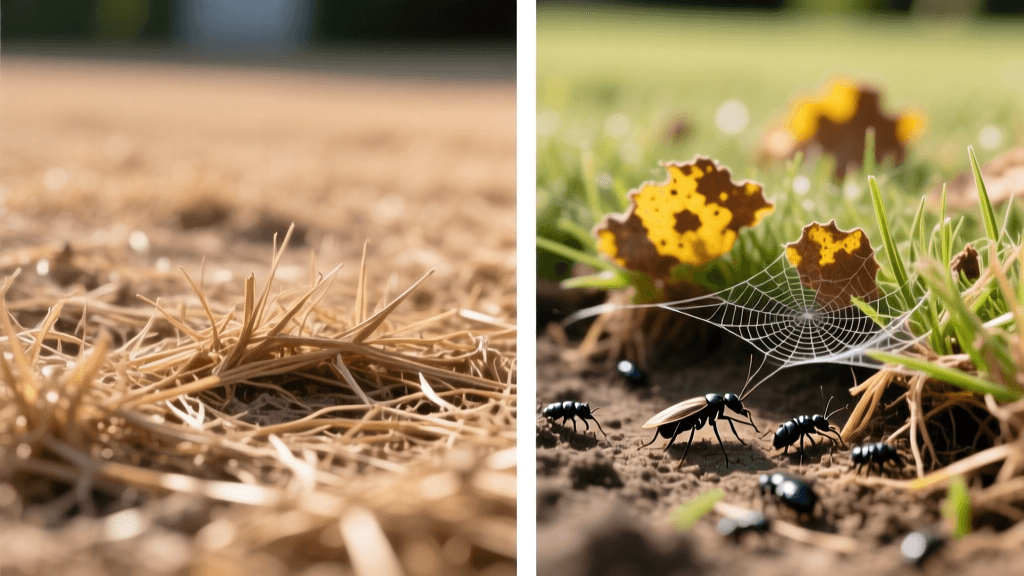
Diagnosing Chinch Bug Damage vs. Drought Stress in Lawns
The Brown Lawn Dilemma: Drought or Chinch Bugs?
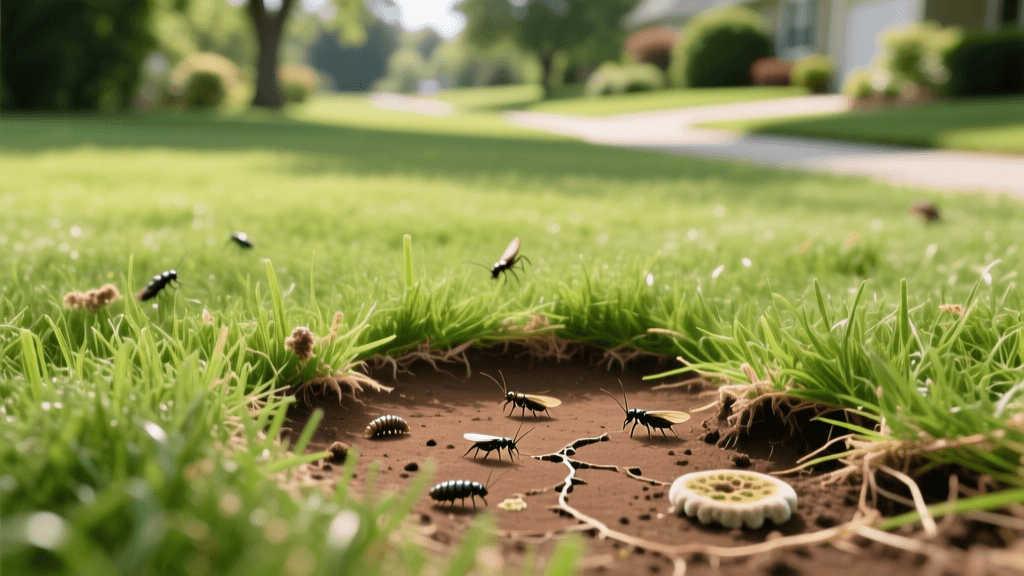
When summer temperatures soar and rainfall dwindles, it is entirely natural to assume that brown, wilting patches in your lawn are the result of drought stress. Homeowners often respond by increasing irrigation, hoping to coax the grass back to a vibrant green. However, if those brown patches continue to expand despite your best watering efforts, you may be dealing with a hidden biological threat: chinch bugs. Misdiagnosing a chinch bug infestation as simple drought stress is one of the most common and costly troubleshooting errors in lawn care. Not only does it waste water and money, but the excess moisture can also promote fungal diseases while the insects continue to decimate your turf. This guide will walk you through the precise diagnostic steps to differentiate between abiotic drought stress and biotic chinch bug damage, followed by actionable, integrated pest management (IPM) strategies to eradicate the pests and restore your lawn.
Understanding the Enemy: Chinch Bug Biology
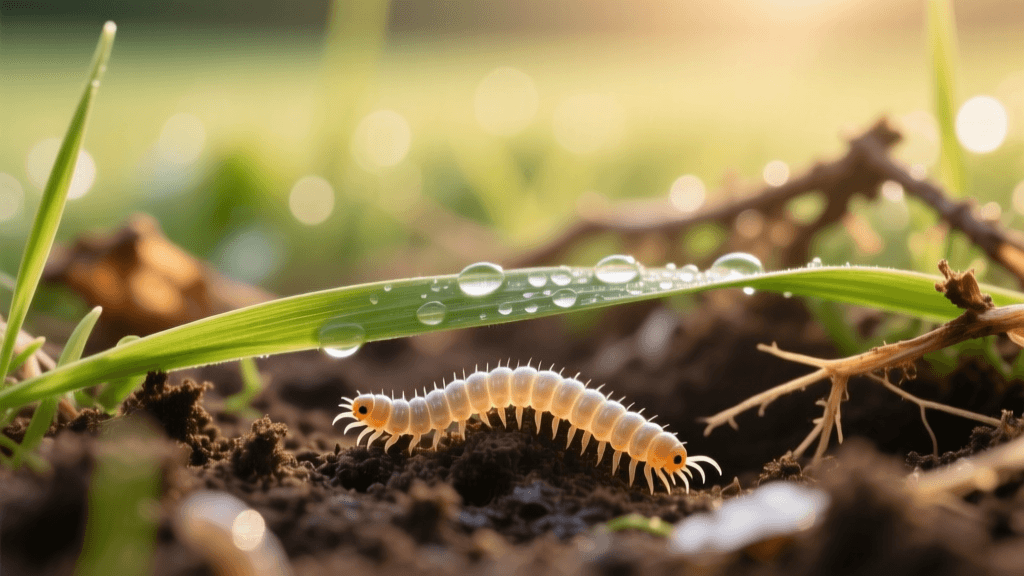
Chinch bugs are tiny, sap-sucking insects that primarily target warm-season grasses like St. Augustine, Bermuda, and Zoysia, as well as cool-season grasses in northern climates. The two most notorious species are the Southern chinch bug (Blissus insularis) and the hairy chinch bug (Blissus leucopterus). According to the University of Florida IFAS Extension, these pests thrive in hot, dry, and sunny environments, making the edges of your lawn near driveways, sidewalks, and patios prime real estate for an infestation.
The damage they cause is twofold. First, they use their piercing-sucking mouthparts to extract plant sap. Second, and more destructively, they inject a toxic saliva into the grass blades as they feed. This toxin blocks the plant's vascular system, preventing water and nutrients from moving through the blade. This is exactly why chinch bug damage so closely mimics drought stress; the grass is essentially dying of thirst, even if the soil around it is soaking wet.
The Flotation Test: Step-by-Step Diagnosis
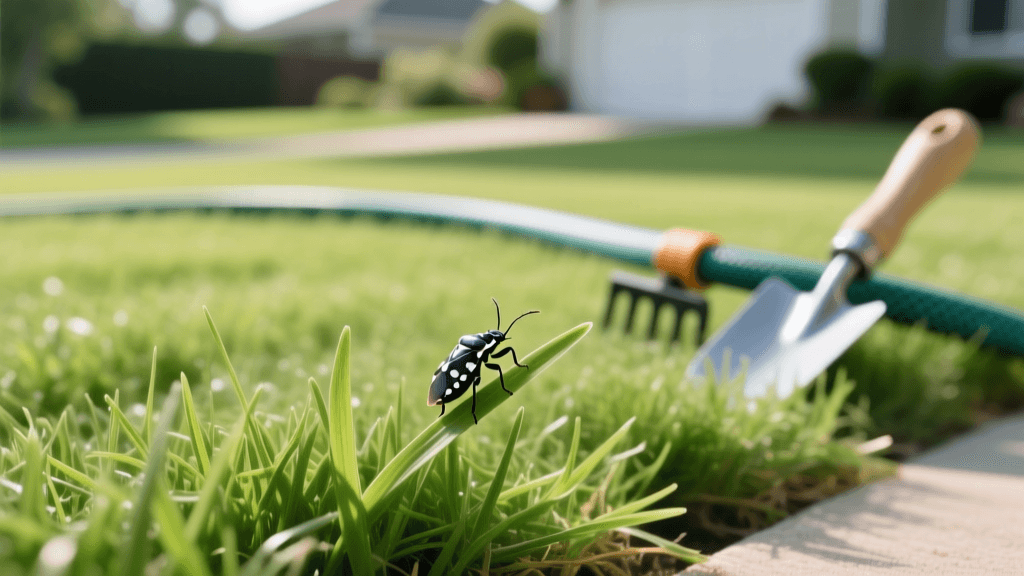
Visual inspection alone is rarely enough to confirm a chinch bug problem, as the insects are small (about 1/6 to 1/5 of an inch long) and tend to hide deep in the thatch layer near the soil surface. To definitively troubleshoot the issue, lawn care professionals rely on the 'Flotation Test' or 'Tin Can Test.' Here is how to perform it accurately:
- Gather Your Tools: You will need a large coffee can or a 6-inch diameter piece of PVC pipe, a trowel, water, and liquid dish soap (lemon-scented works exceptionally well to irritate the bugs).
- Select the Testing Zone: Do not test in the center of the dead, brown patch. Chinch bugs have likely already moved on from completely dead tissue. Instead, target the leading edge of the damage—the transition zone where healthy green grass meets the yellowing or browning grass.
- Insert the Can: Remove both ends of the can if necessary, and press it about 2 to 3 inches deep into the soil to create a watertight seal.
- Fill and Wait: Fill the can with water and add two tablespoons of dish soap. Maintain the water level for about 5 to 10 minutes. The soap breaks the water's surface tension and irritates the insects, forcing them to float to the top.
- Count and Calculate: Count the number of nymphs (small, red or gray, wingless) and adults (black with white wings). The Texas A&M AgriLife Extension notes that finding 20 to 25 chinch bugs per square foot (or about 4 to 5 per coffee can) is the economic threshold that warrants immediate chemical or biological intervention.
Visual Troubleshooting: Chinch Bugs vs. Drought Stress
If you cannot perform a flotation test immediately, you can still look for specific visual clues that separate environmental stress from an active infestation. Use the diagnostic table below to troubleshoot your lawn's condition:
| Diagnostic Symptom | Drought Stress (Abiotic) | Chinch Bug Damage (Biotic) |
|---|---|---|
| Damage Pattern | Uniform wilting across large areas or entire zones; often affects the whole lawn evenly. | Irregular, expanding brown patches; heavily concentrated near heat-radiating hardscapes (driveways, sidewalks). |
| Soil Moisture Level | Soil is visibly dry, hard, and potentially hydrophobic (repels water). | Soil may be adequately moist, yet the grass above continues to wilt and die. |
| Grass Blade Appearance | Blades fold inward, turn a dull blue-gray, and eventually crisp up from the tip down. | Blades show yellowing at the base, stippling, or a distinct 'chewed' appearance near the crown. |
| Response to Irrigation | Grass recovers and stands back up within 24 to 48 hours of deep watering. | Grass remains flat and brown; damage continues to spread outward despite heavy watering. |
| Pest Visibility | No insects visible at the thatch/soil interface. | Tiny black-and-white bugs scurrying in the thatch when the grass is parted. |
Targeted Treatment Protocols
Once you have confirmed a chinch bug infestation exceeding the threshold, immediate action is required to save the remaining turf. An effective Integrated Pest Management (IPM) approach combines chemical controls with cultural practices.
Chemical Control Options
For severe infestations, synthetic insecticides are often necessary to knock down the population quickly. Look for products containing the following active ingredients:
- Bifenthrin (e.g., Talstar, Menace): A fast-acting pyrethroid that provides excellent contact kill and short-term residual control. Apply granular formulations at a rate of 1.1 to 1.8 lbs of product per 1,000 square feet, followed by light irrigation to wash the chemical into the thatch layer.
- Carbaryl (e.g., Sevin): Highly effective against nymphs and adults. Available in liquid and granular forms. Cost is generally around $15 to $25 for a 5,000 sq ft coverage bag.
- Imidacloprid (e.g., Merit): A systemic neonicotinoid best used as a preventative treatment in early spring. It takes longer to work but provides season-long control by targeting the insects as they feed on the treated grass.
Safety Note: Always wear personal protective equipment (PPE), including gloves, long sleeves, and eye protection when mixing and applying chemical pesticides. Keep pets and children off the lawn until the application has completely dried.
Organic and Biological Controls
If you prefer an organic route or are dealing with a minor, localized outbreak, biological controls can be highly effective without harming beneficial insects like earthworms or pollinators.
- Beauveria bassiana (e.g., BotaniGard): A naturally occurring entomopathogenic fungus that infects and kills chinch bugs. It thrives in humid conditions and is an excellent IPM tool.
- Insecticidal Soaps and Neem Oil: These work on contact by disrupting the insect's cell membranes and acting as an antifeedant. They require thorough coverage of the thatch layer and must be reapplied every 5 to 7 days, as they lack residual activity.
Lawn Recovery and Long-Term Prevention
Eradicating the bugs is only half the battle; recovering the lawn and preventing future outbreaks is equally critical. Chinch bugs are highly attracted to lawns with thick thatch layers and excessive nitrogen fertilization. According to Penn State Extension, managing the thatch layer is one of the most effective cultural controls available to homeowners.
Thatch Management and Aeration
Thatch—a dense mat of dead and living roots, stems, and blades—provides the perfect insulated microclimate for chinch bugs to breed and hide from predators and pesticides. If your thatch layer exceeds 0.5 inches, schedule core aeration and dethatching for the appropriate season (early fall for cool-season grasses, late spring for warm-season grasses). This not only disrupts the pest's habitat but also improves water penetration, helping your grass develop deeper, more drought-resistant root systems.
Adjusting Mowing and Watering Practices
Mowing your grass too short stresses the plant and exposes the soil to the sun, creating the exact hot, dry conditions chinch bugs love. Raise your mower deck to the highest recommended setting for your grass type (e.g., 3 to 4 inches for St. Augustinegrass). Taller grass shades the soil, retains moisture, and makes the environment less hospitable to chinch bugs. Furthermore, transition from frequent, shallow watering to deep, infrequent irrigation. Watering deeply (providing about 1 inch of water per week) encourages roots to grow downward, making the turf more resilient against both environmental drought and the localized feeding damage caused by turf insects.
By carefully diagnosing the root cause of your lawn's decline and implementing targeted, science-backed treatments, you can reclaim your yard from chinch bugs and build a thicker, healthier turf that naturally resists future invasions.