Gardening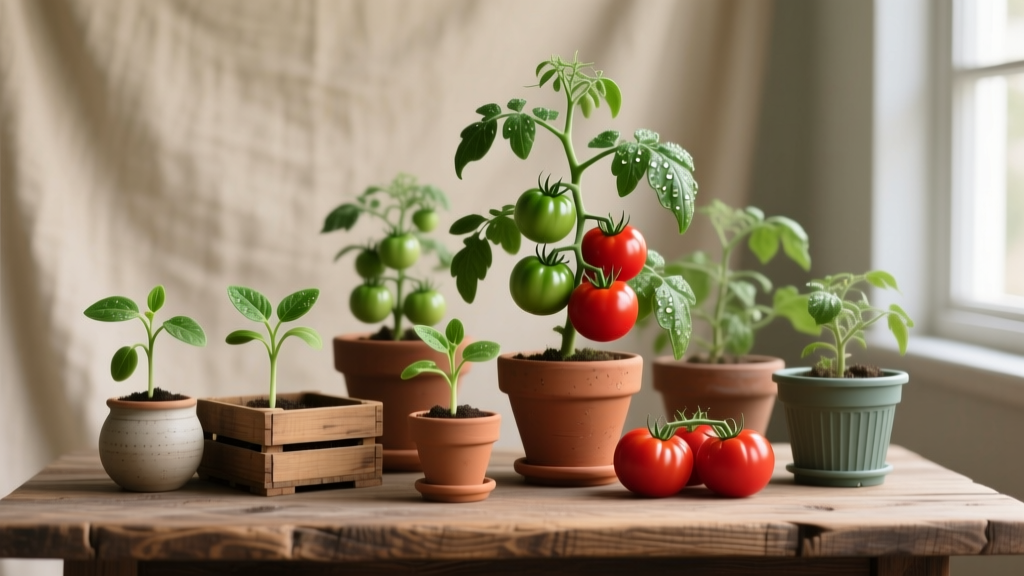
The Ultimate Beginner Guide to Growing Tomatoes in Containers
Robert HayesPublished
Why Grow Tomatoes in Containers?
For beginner gardeners, the idea of growing your own food can feel overwhelming, especially if you lack a large backyard. Container gardening solves this problem beautifully. Growing tomatoes in pots gives you complete control over the soil quality, drastically reduces the risk of soil-borne diseases, and allows you to move your plants to chase the sun or shelter them from harsh storms. According to the Cornell University Cooperative Extension, container-grown tomatoes can yield just as much fruit as their in-ground counterparts, provided they receive adequate root space and consistent moisture.
In this comprehensive, beginner-friendly guide, we will walk you through every step of the process, from selecting the right seeds to harvesting your very first homegrown tomato. Whether you have a sprawling patio or just a small apartment balcony, you can successfully cultivate delicious, vine-ripened tomatoes.
Choosing the Right Tomato Varieties
Not all tomatoes are created equal when it comes to container gardening. The most critical decision you will make is choosing between determinate and indeterminate varieties.
Determinate vs. Indeterminate Tomatoes
Determinate tomatoes, often called 'bush' tomatoes, grow to a compact height (usually 3 to 4 feet) and produce all their fruit over a short period of about two to three weeks. They are ideal for smaller pots and require minimal staking. Indeterminate tomatoes, or 'vining' tomatoes, continue to grow and produce fruit until the first frost. They can reach heights of 6 to 10 feet and require large containers and heavy-duty support systems.
For beginners, determinate or dwarf varieties are generally the most forgiving. Here is a comparison chart to help you choose the best type for your space:
| Feature | Determinate (Bush) | Indeterminate (Vining) |
|---|---|---|
| Growth Habit | Compact, stops growing at 3-4 ft | Tall, continuous growth up to 10 ft |
| Minimum Pot Size | 5 Gallons (approx. 12 inches deep) | 10 to 15 Gallons (approx. 18 inches deep) |
| Support Needed | Small tomato cage or single stake | Tall heavy-duty cage or trellis system |
| Best Beginner Varieties | Patio Princess, Bush Goliath, Tiny Tim | Sweet 100, Sun Gold, Cherokee Purple |
| Harvest Window | Concentrated 2-3 week window | Continuous harvest all season until frost |
Selecting the Perfect Container and Soil
Pot Size, Material, and Drainage
The biggest mistake beginners make is using a pot that is too small. Tomatoes have extensive root systems that require ample space to access water and nutrients. For determinate varieties, a 5-gallon container (minimum 12 inches wide and deep) is mandatory. For indeterminate varieties, invest in a 10-gallon to 15-gallon container.
Fabric grow bags (costing around $15 to $25 for a multi-pack) are highly recommended for beginners. They provide excellent drainage and 'air-prune' the roots, preventing the plant from becoming root-bound. If you prefer traditional pots, terracotta offers great stability but dries out quickly, while glazed ceramic or thick plastic retains moisture longer but is heavier to move. Regardless of the material, ensure your container has at least three to four drainage holes at the bottom. Tomatoes hate 'wet feet' and will quickly succumb to root rot in stagnant water.
The Ideal Potting Mix
Never use garden soil or topsoil in your containers. Garden soil is too dense, will compact in a pot, and may harbor pathogens and weed seeds. Instead, you need a high-quality, well-draining potting mix. You can purchase a premium organic mix like Miracle-Gro Performance Organics or FoxFarm Happy Frog for about $15 to $20 per 1.5 cubic foot bag. Alternatively, you can mix your own for a fraction of the cost:
- 1 part peat moss or coco coir (for moisture retention)
- 1 part perlite or pumice (for aeration and drainage)
- 1 part high-quality compost (for slow-release nutrients)
Fill your container to within two inches of the rim to allow space for watering and mulching.
Planting and Spacing Guidelines
Timing is everything. Tomatoes are warm-season crops that are highly sensitive to frost. Wait until at least one to two weeks after your region's last expected spring frost date. The soil temperature in your container should be consistently above 60°F before transplanting.
One of the best secrets to growing robust tomatoes is planting them deeply. Unlike most plants, tomatoes can grow adventitious roots along their buried stems. When you transplant your seedling, pinch off the bottom two sets of leaves and bury the stem up to the remaining lowest leaves. This deep planting encourages a massive, resilient root system that will support heavy fruit loads and withstand summer heat.
Stick to the rule of one tomato plant per container. Crowding multiple plants into a single pot will lead to fierce competition for nutrients, poor air circulation, and a high risk of fungal diseases like blight.
Pruning and Staking Techniques
Supporting your tomato plants is non-negotiable. Even compact determinate varieties will topple over under the weight of their fruit or during a summer windstorm. Insert your tomato cage or stake at the time of planting to avoid damaging the root system later. If using a stake, use soft garden twine to tie the main stem to the stake every 8 to 12 inches, tying in a loose figure-eight pattern to prevent the twine from cutting into the growing stem.
Pruning is another vital maintenance task, particularly for indeterminate varieties. As the plant grows, it will produce 'suckers'—small shoots that emerge from the joint between the main stem and the leaf branches. While determinate tomatoes should generally be left alone to maximize their concentrated fruit set, indeterminate tomatoes benefit greatly from sucker removal. Pinch off these suckers when they are small (about 2 inches long) using your fingers or sterilized pruning shears. This directs the plant's energy into producing larger, higher-quality fruit rather than excessive foliage, while also improving air circulation to ward off fungal diseases.
Watering, Feeding, and Maintenance
Mastering the Watering Schedule
Container tomatoes dry out much faster than in-ground plants. During the peak of summer, you may need to water your pots every single day. The goal is to provide 1 to 2 inches of water per week, keeping the soil consistently moist but not soggy. The best way to check is the 'finger test': insert your finger two inches into the soil. If it feels dry, it is time to water. Always water at the base of the plant, avoiding the leaves, to prevent fungal spores from splashing and spreading.
Fertilizing for Maximum Yield
Potting mixes often contain starter fertilizers that last for the first four weeks. After that, you must replenish the nutrients, as frequent watering leaches them out of the drainage holes. Use a dedicated tomato fertilizer, such as Espoma Tomato-tone (3-4-6 NPK), which includes calcium to prevent blossom end rot. Apply 1/4 cup of granular fertilizer around the soil surface every three to four weeks, gently scratching it into the top inch of soil before watering deeply.
Companion Planting in Containers
You can maximize your container space and naturally deter pests by utilizing companion planting. While the tomato plant occupies the center of the pot, the edges can be planted with beneficial companions:
- Basil: Repels tomato hornworms and flies. Plus, they are a classic culinary pairing.
- Marigolds: Their strong scent masks the tomato plant from pests, and their roots exude chemicals that deter harmful nematodes in the soil.
- Alyssum: Attracts beneficial predatory insects like hoverflies and parasitic wasps that eat aphids.
Common Pests and Diseases
Even with perfect care, you may encounter a few issues. Keep an eye out for the Tomato Hornworm, a large green caterpillar that can strip a plant of its leaves overnight. Hand-picking them off and dropping them into a bucket of soapy water is the most effective organic control method. If you notice the bottom of your tomatoes turning black and leathery, this is Blossom End Rot, a physiological disorder caused by calcium deficiency often triggered by inconsistent watering. Maintaining a strict, even watering schedule is the best cure.
'Container-grown tomatoes require vigilant monitoring of soil moisture. Because the root volume is restricted, fluctuations in water availability can quickly lead to physiological disorders like fruit cracking and blossom end rot.' - University of California Agriculture and Natural Resources (UC ANR) Master Gardeners.
Harvesting Your Crop
Patience is the final step in your tomato-growing journey. Harvest your tomatoes when they have reached their full, mature color and yield slightly to a gentle squeeze. If a severe heatwave or heavy storm is forecasted, you can pick tomatoes at the 'breaker stage' (when they first show a blush of color) and allow them to ripen on your kitchen counter out of direct sunlight. This will not sacrifice flavor and will protect your hard-earned crop from splitting or sunscald.
By following these structured steps, even a first-time gardener can cultivate a thriving, productive tomato garden right on their patio. Grab your pots, pick your favorite varieties, and get ready to taste the unparalleled flavor of homegrown tomatoes.
